
F
Flah_Gordo
Guest
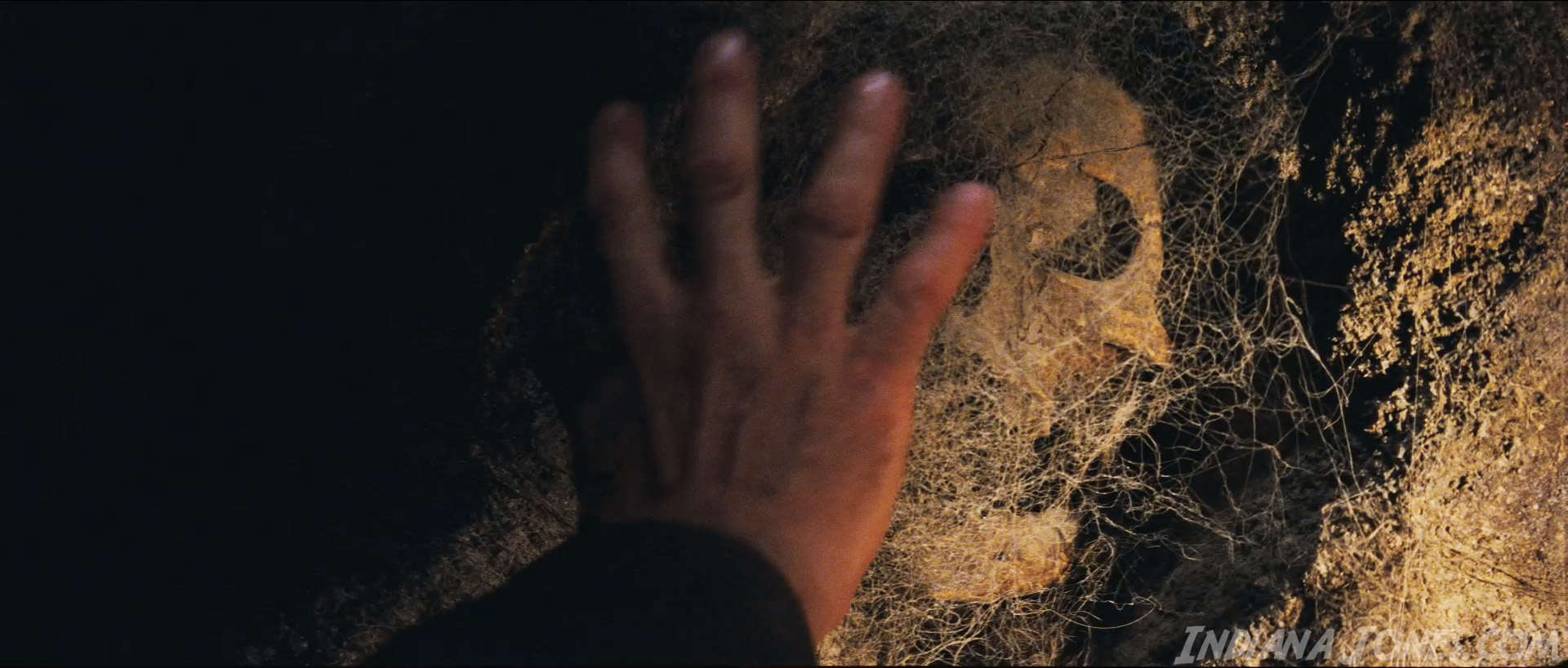
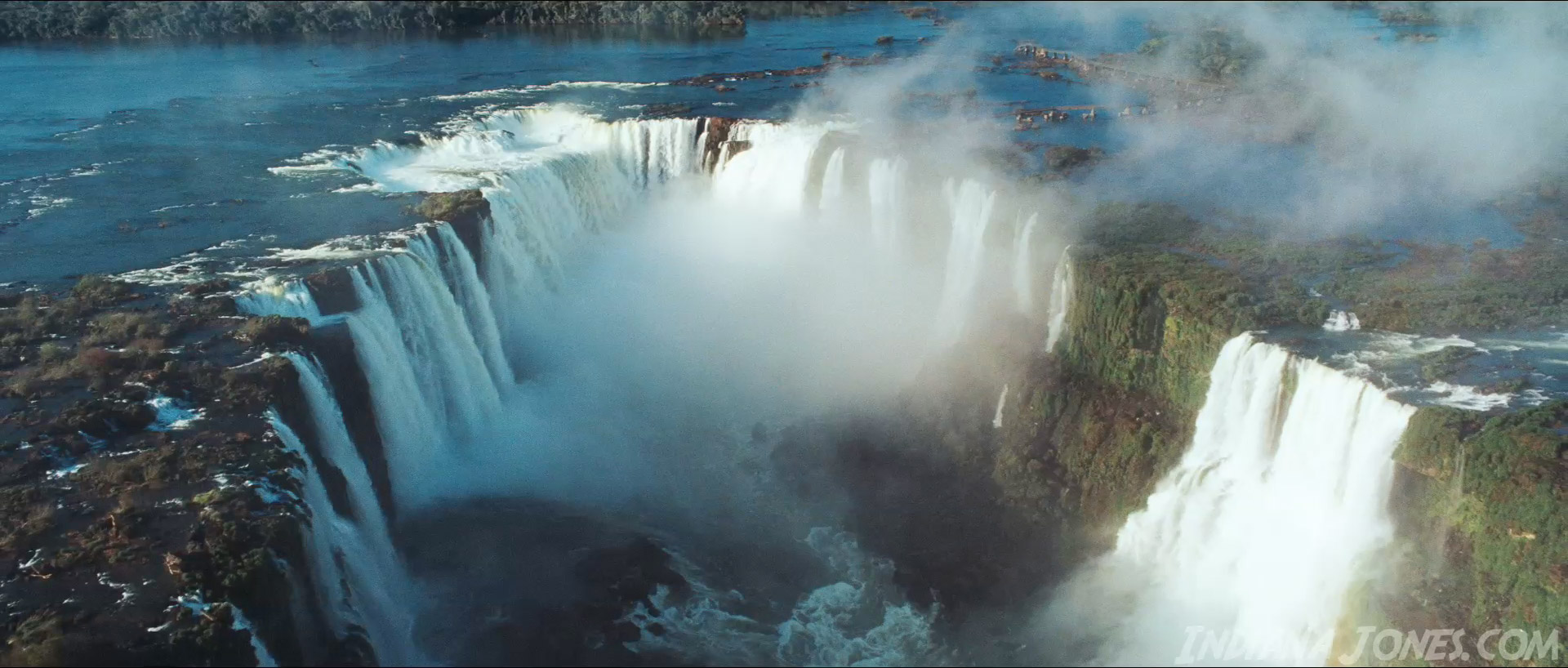
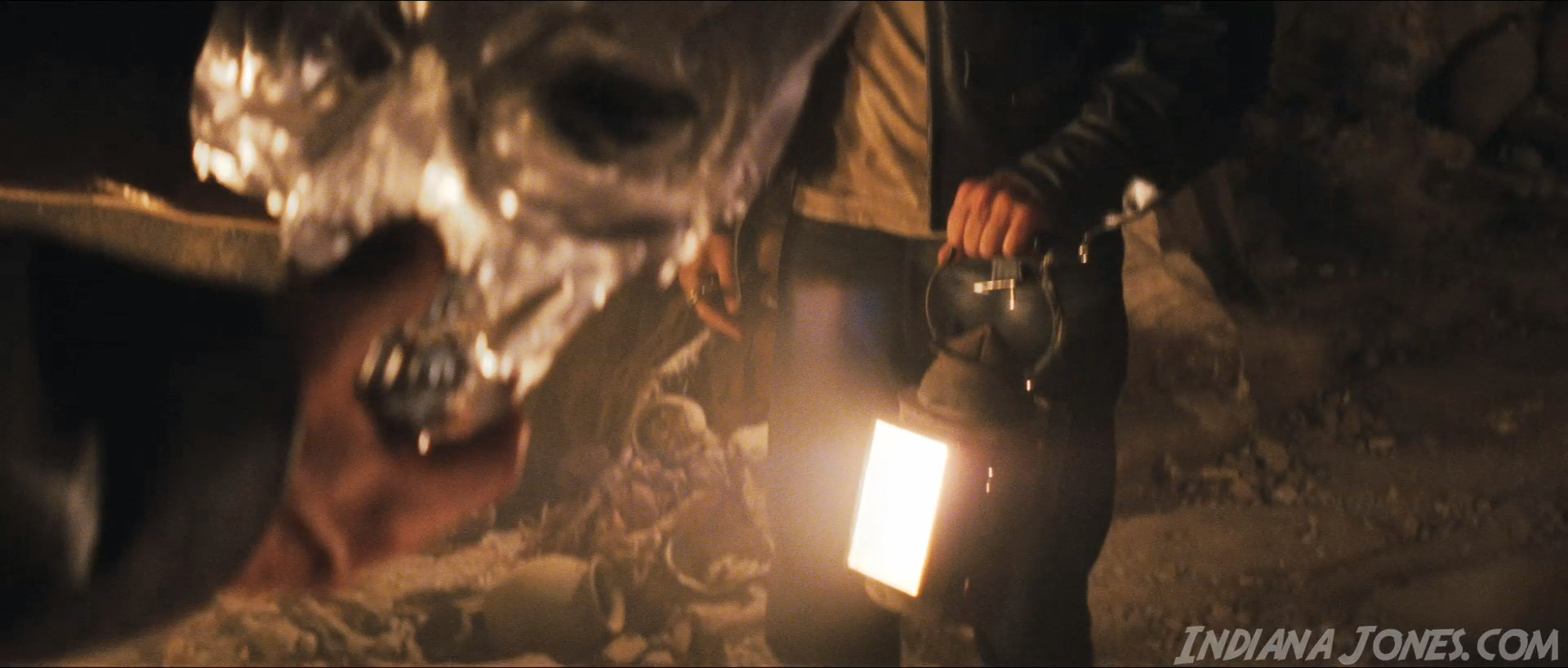
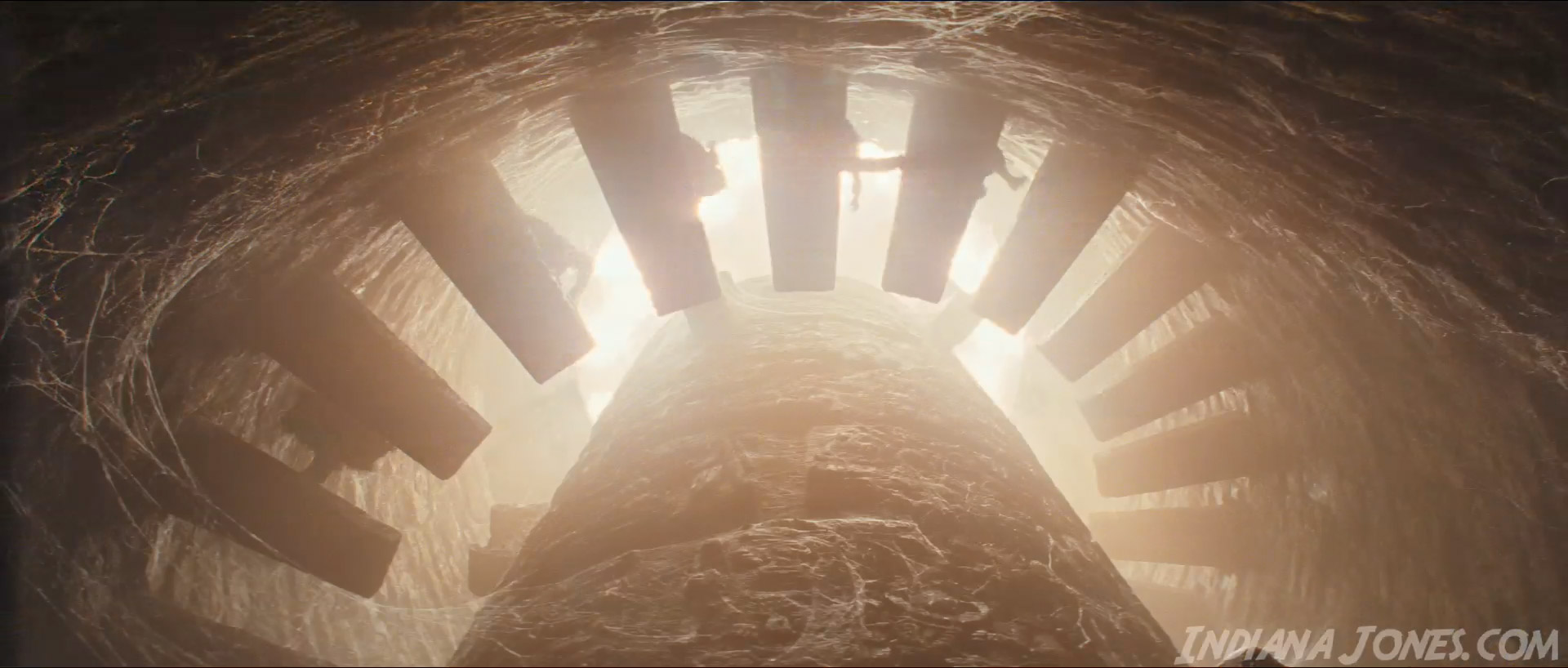
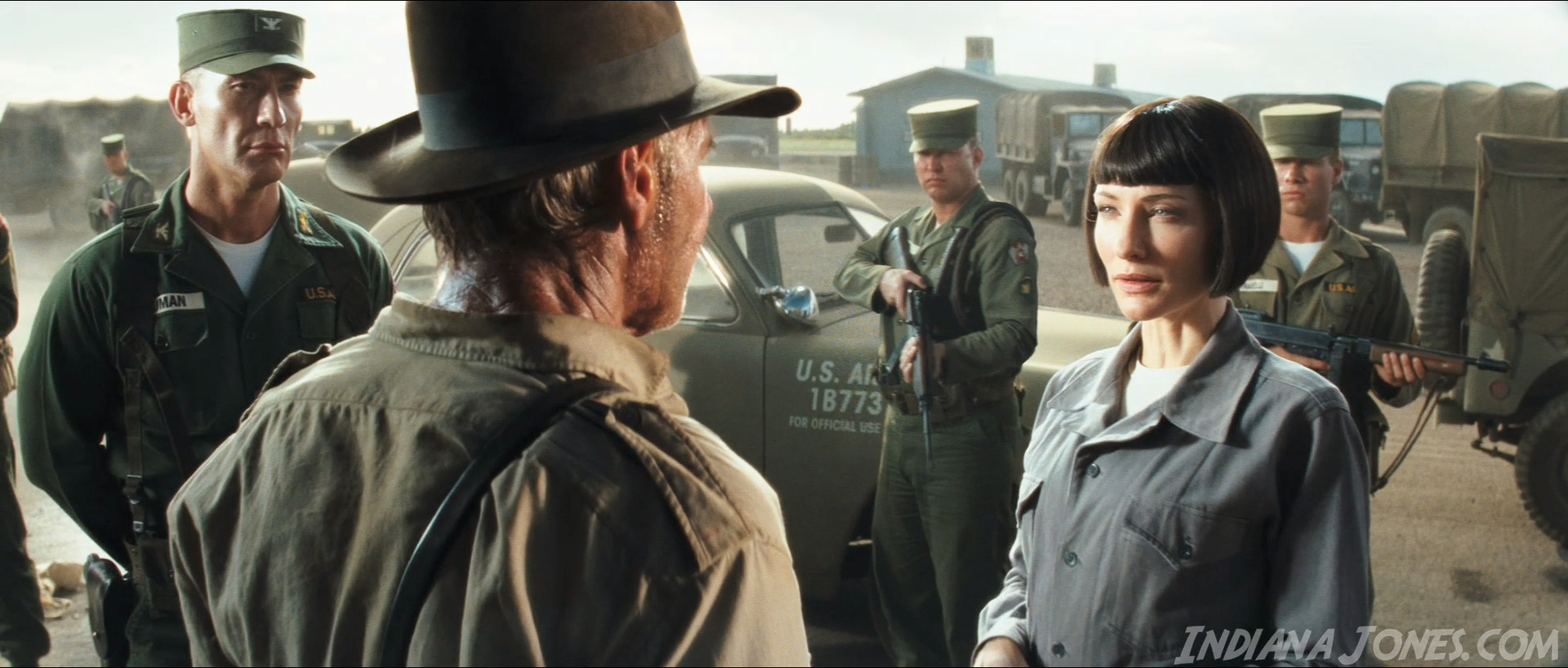
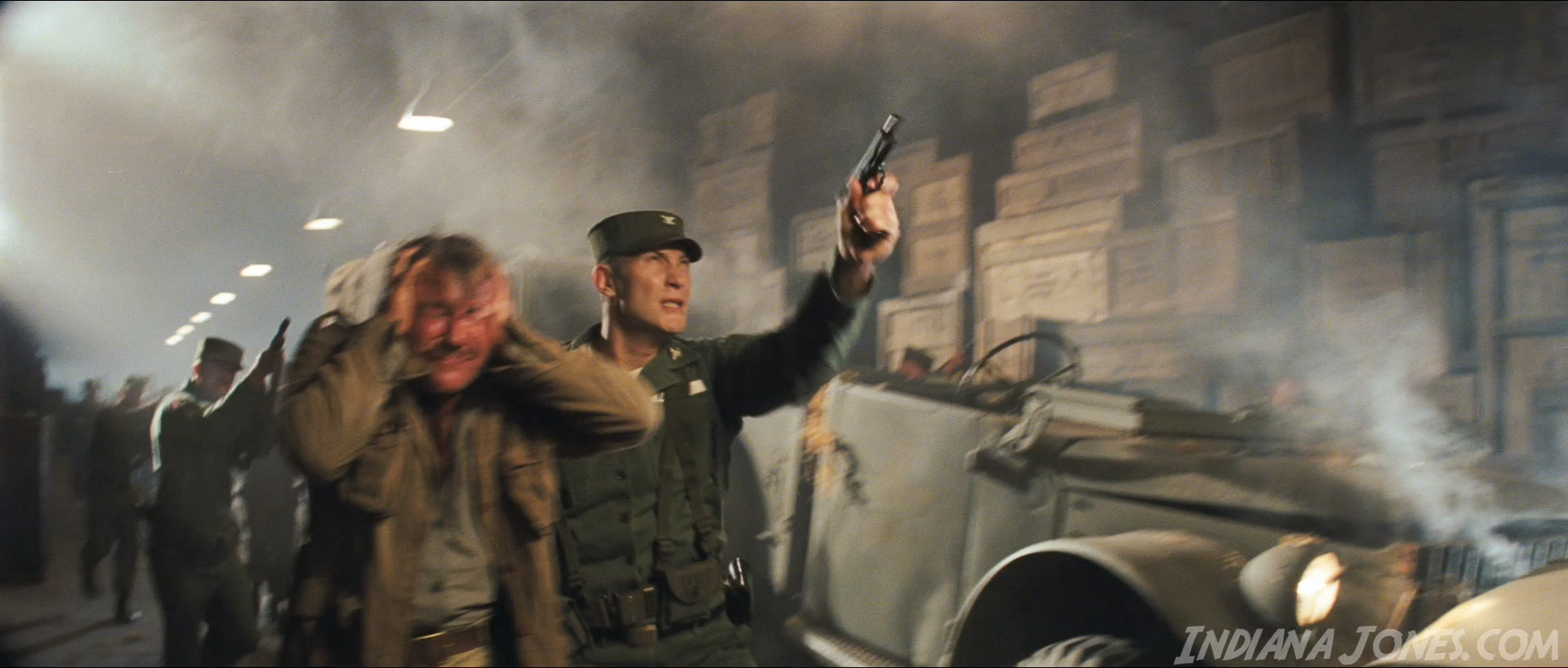
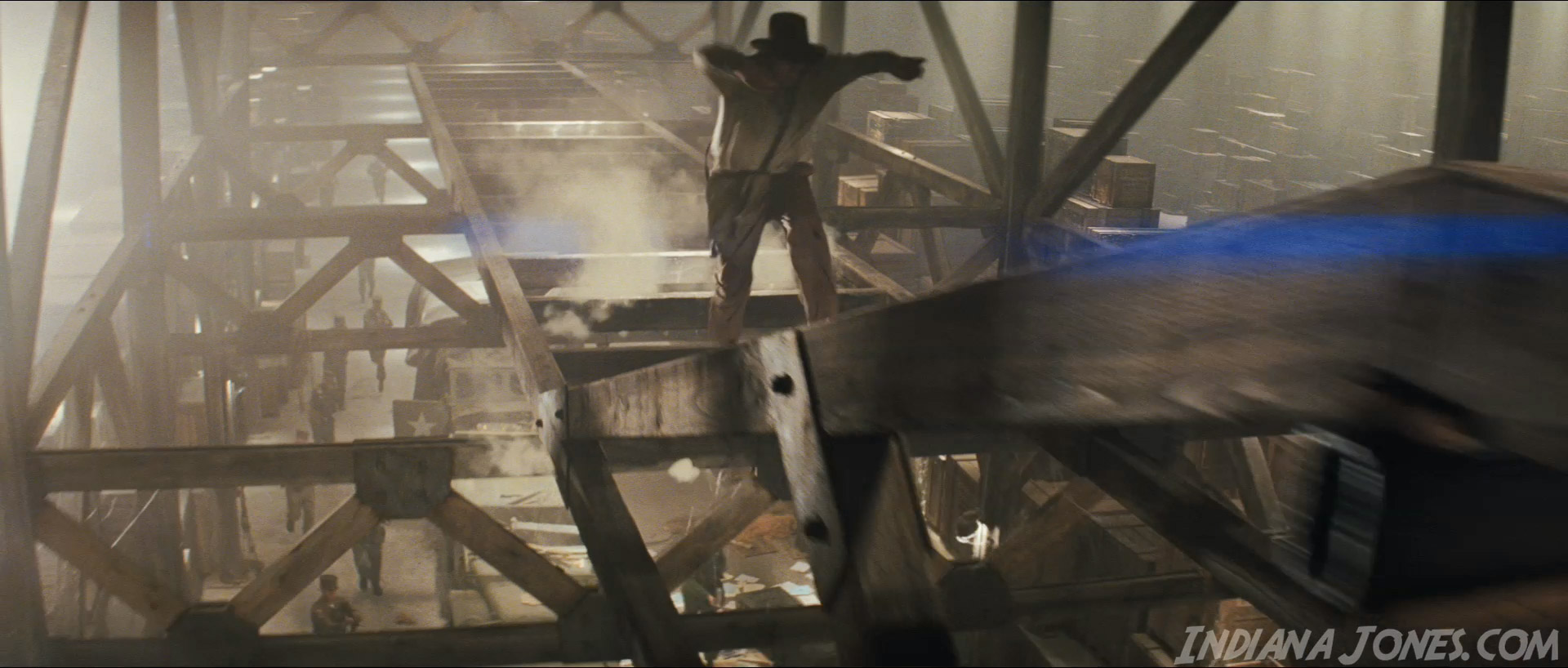
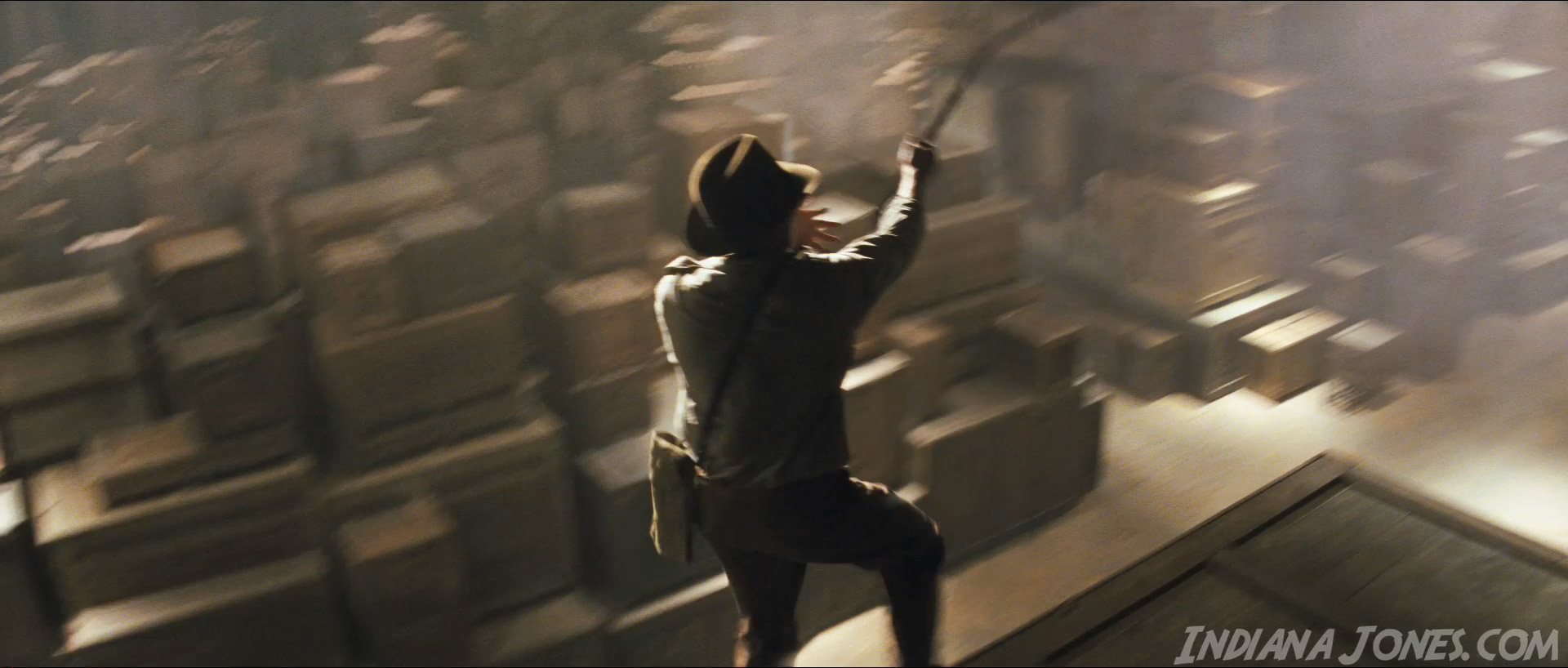
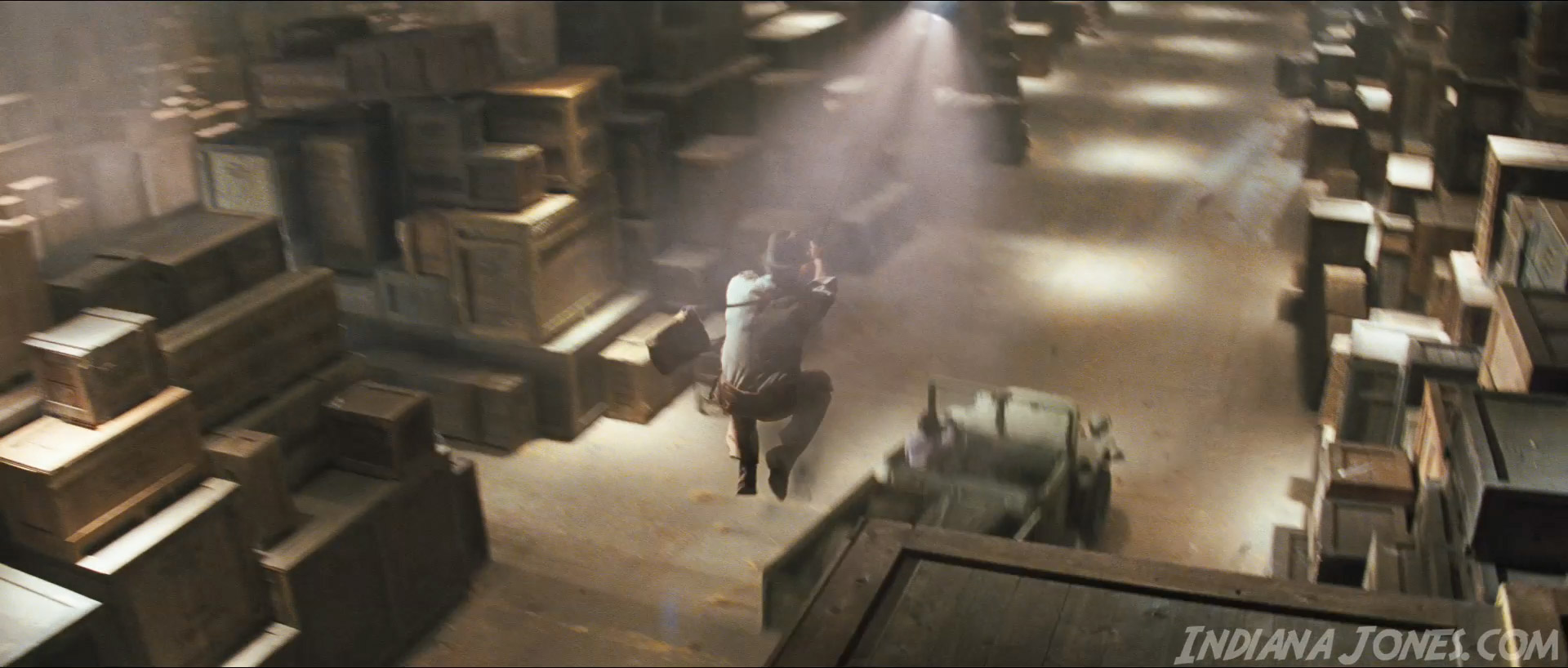
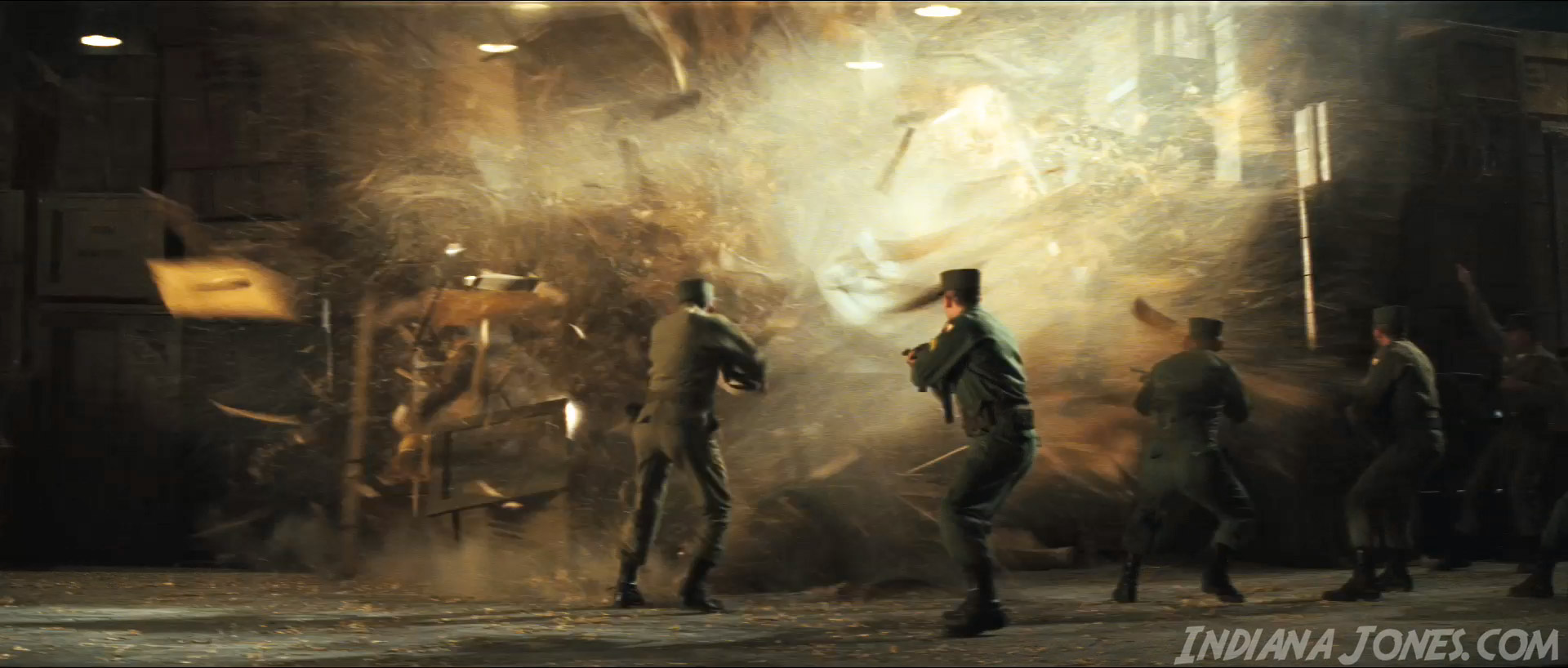
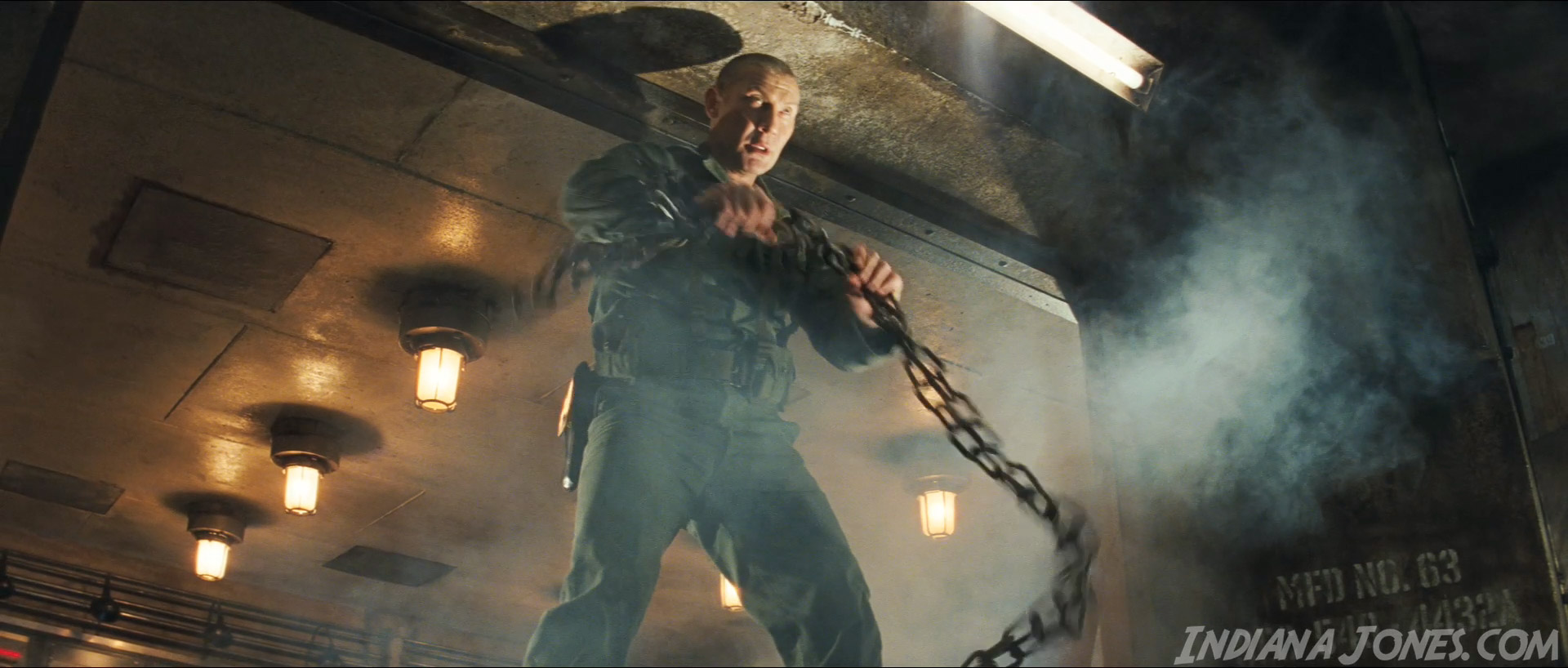
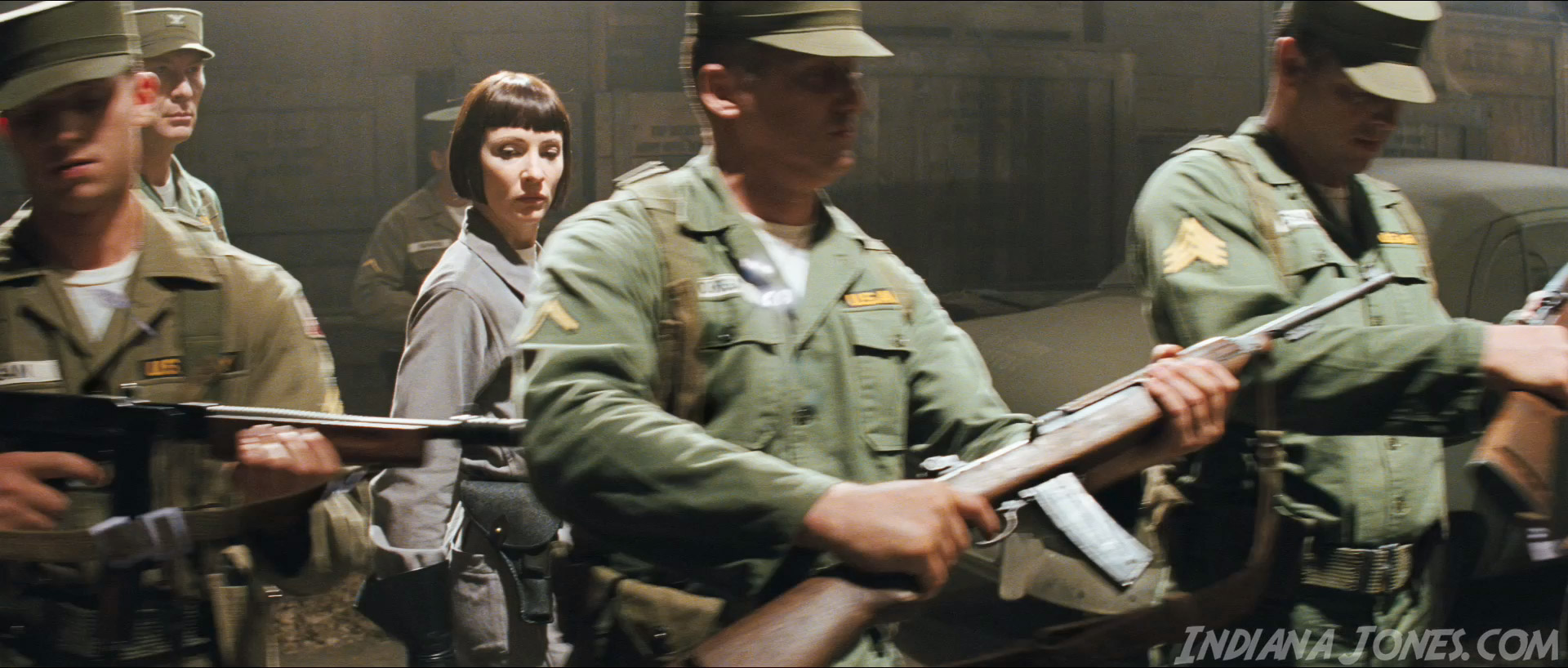
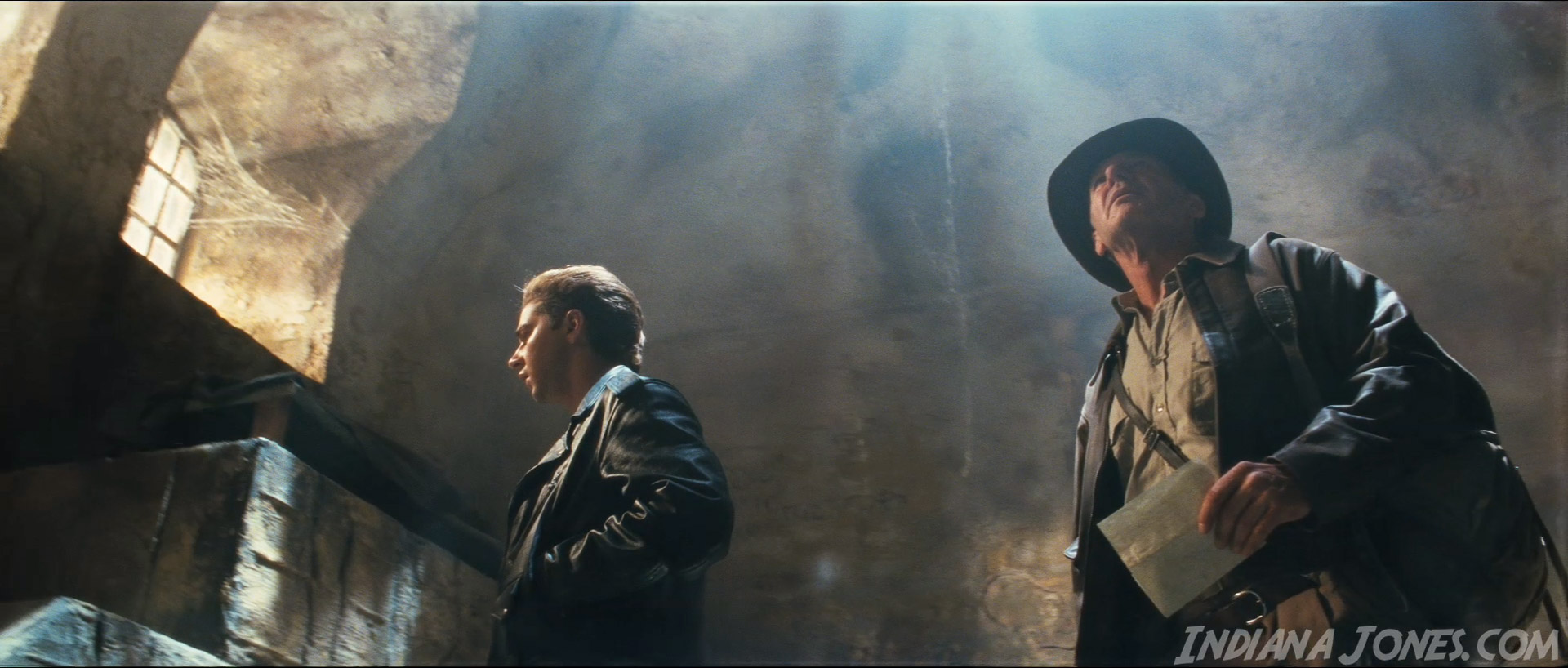
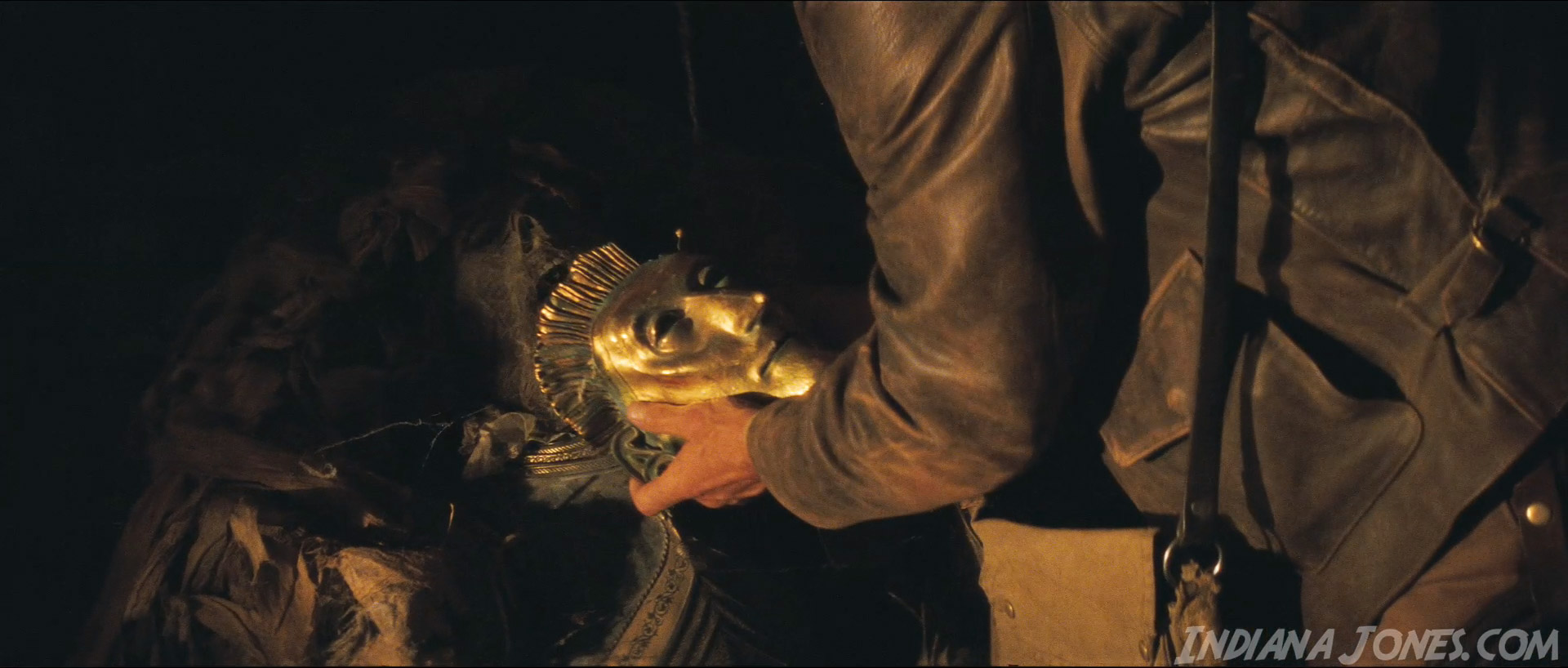
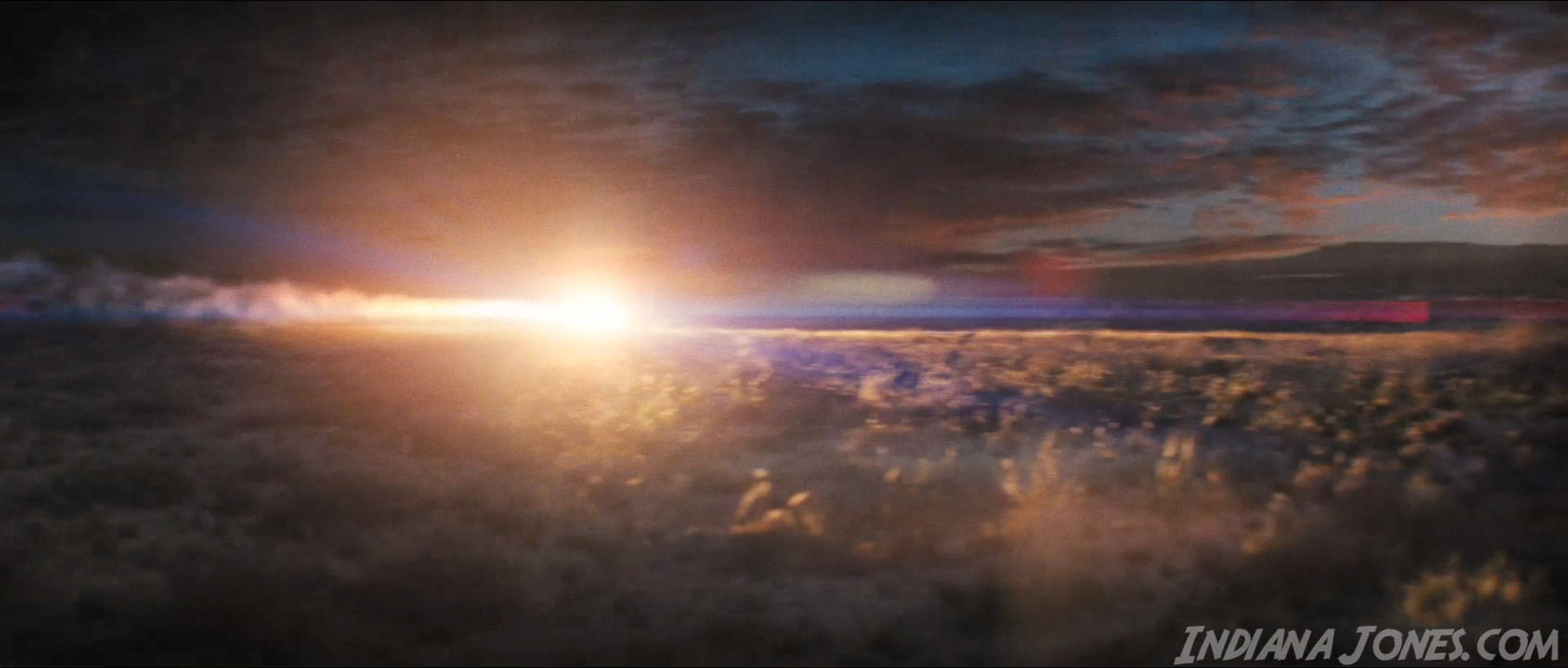
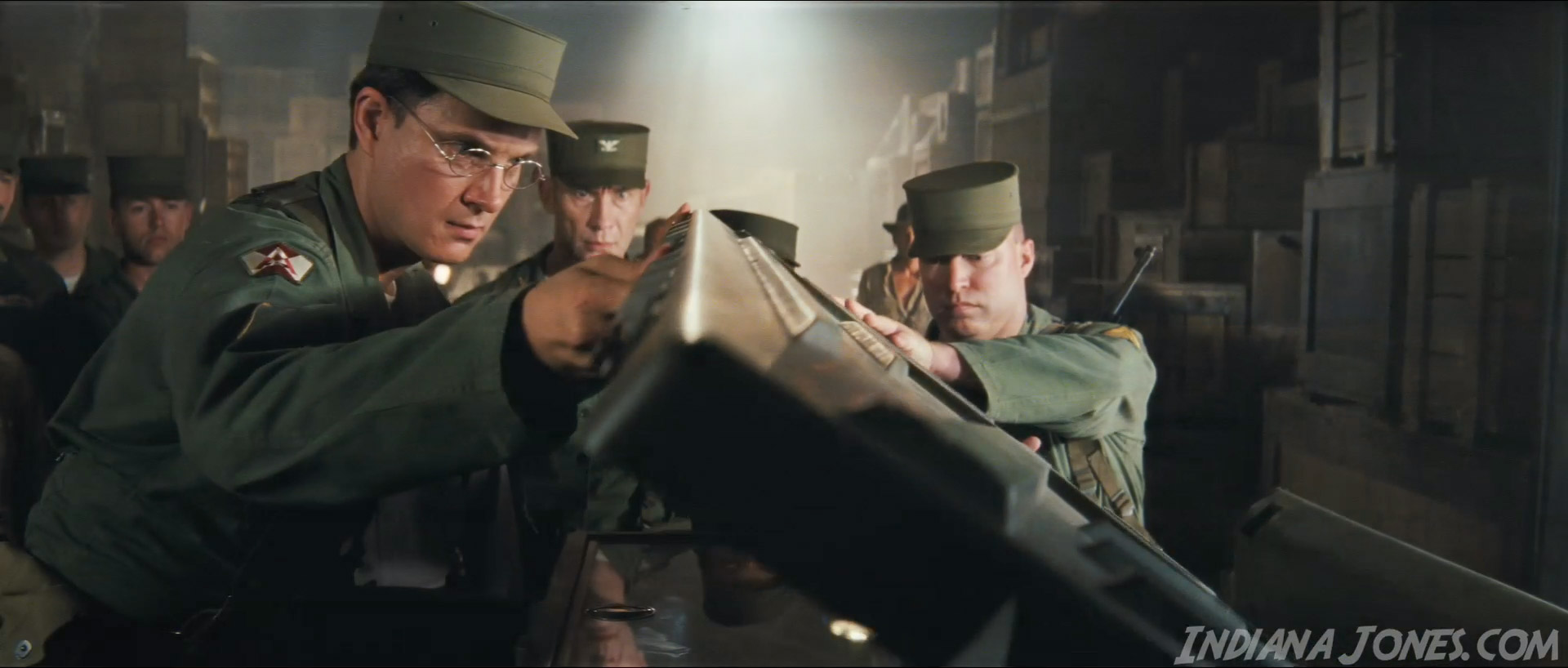
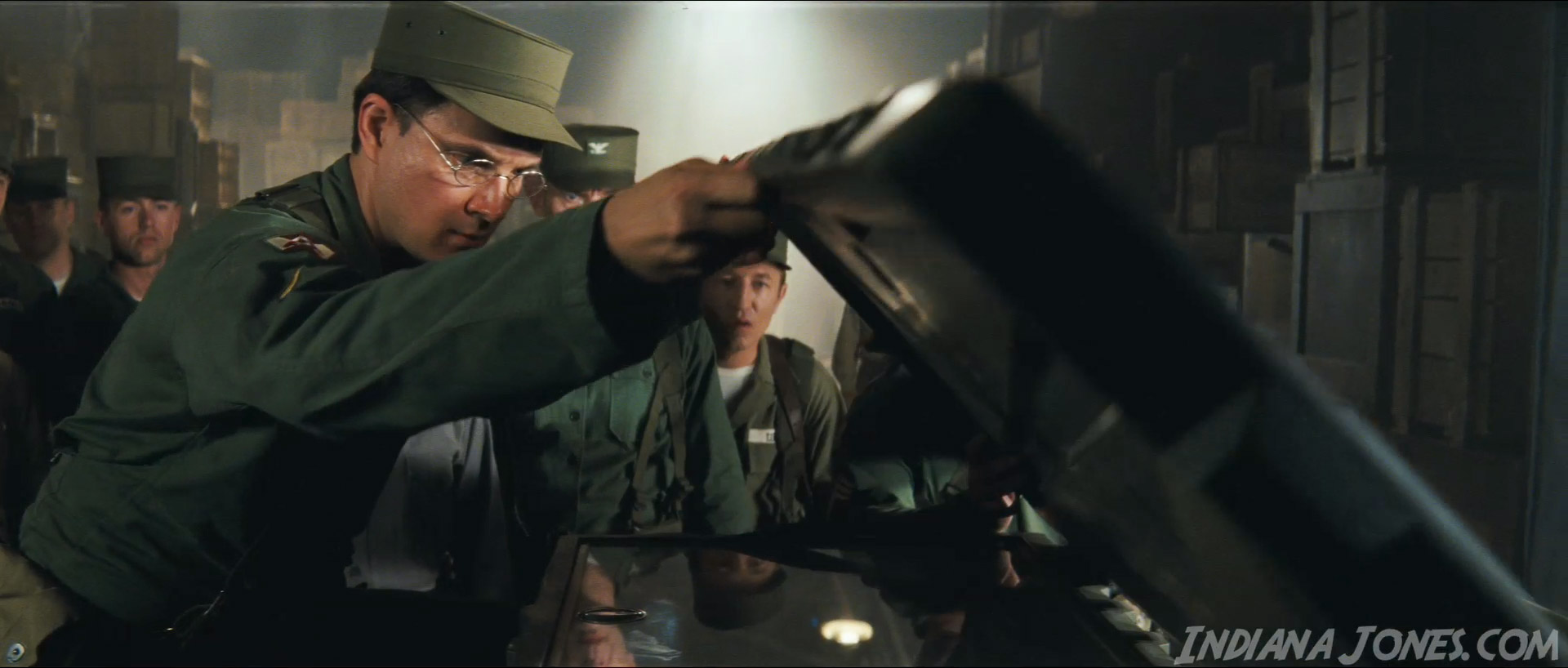
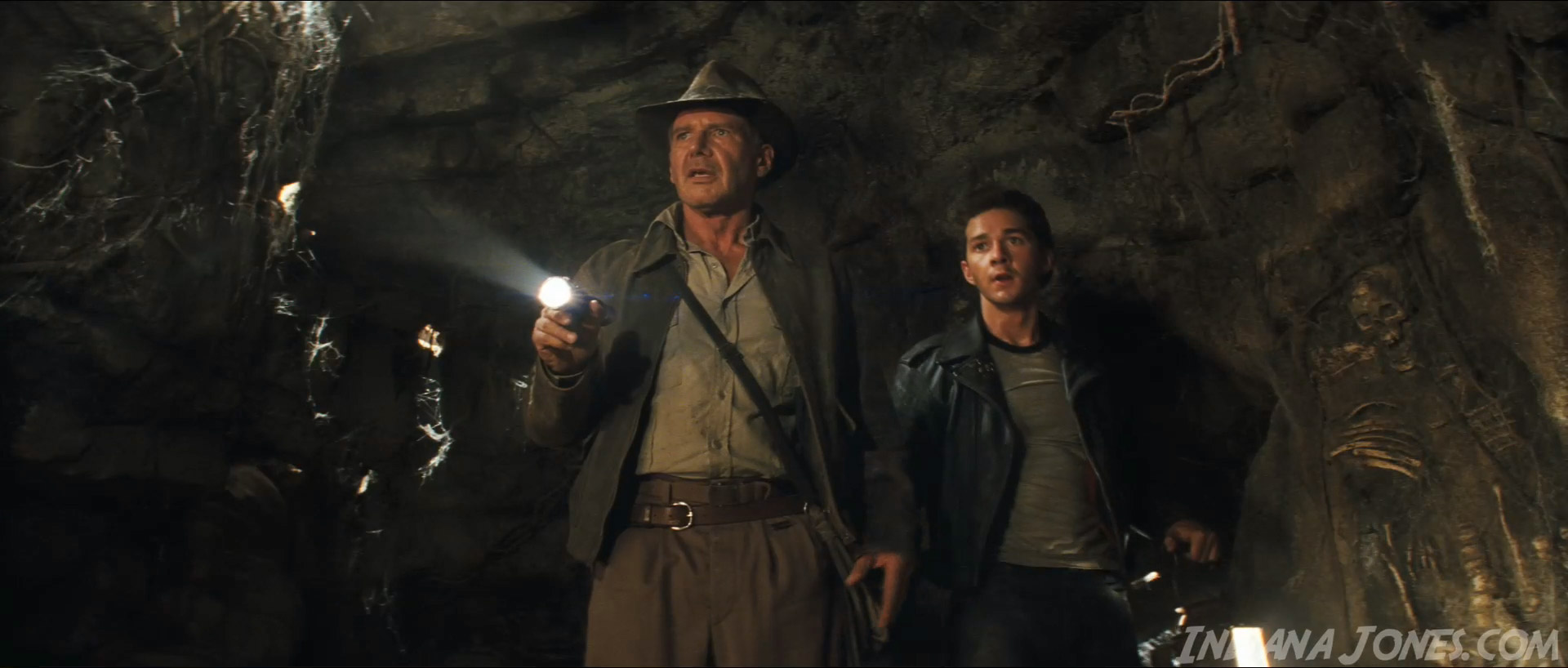
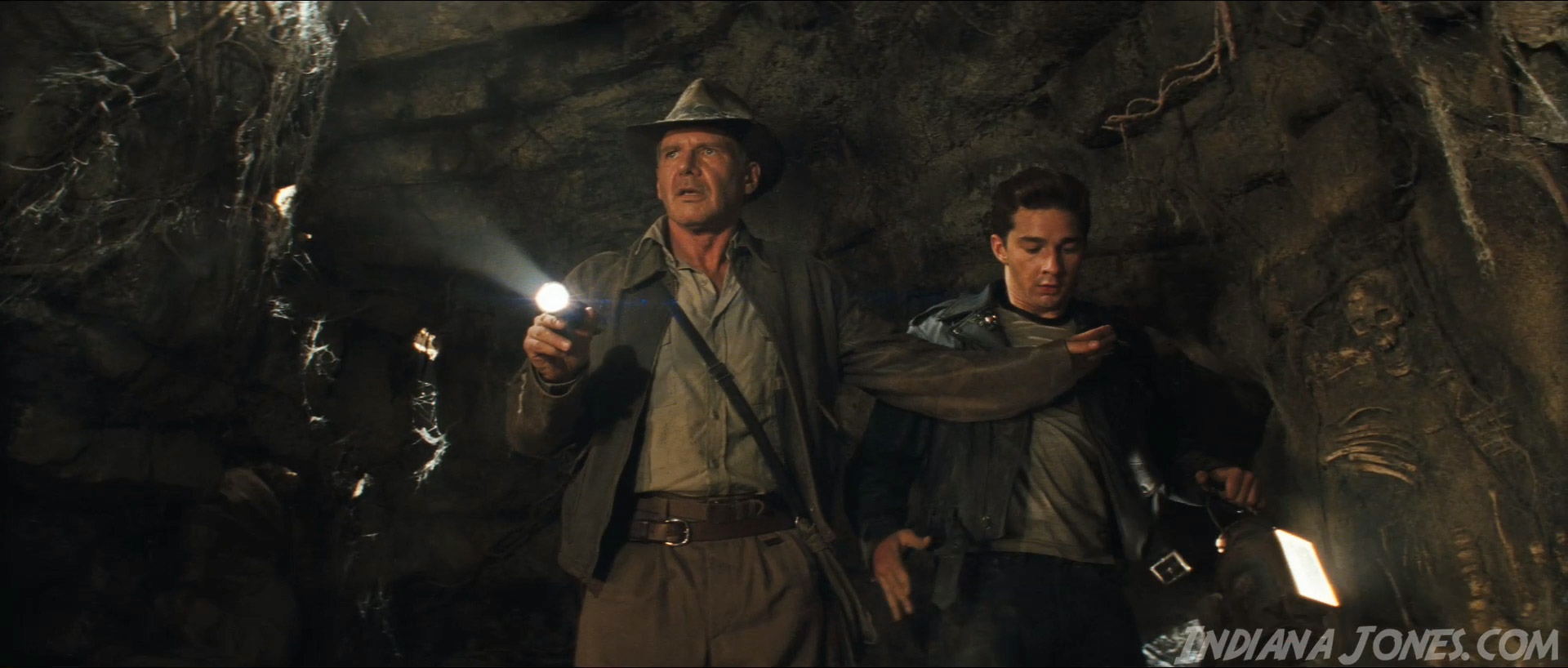
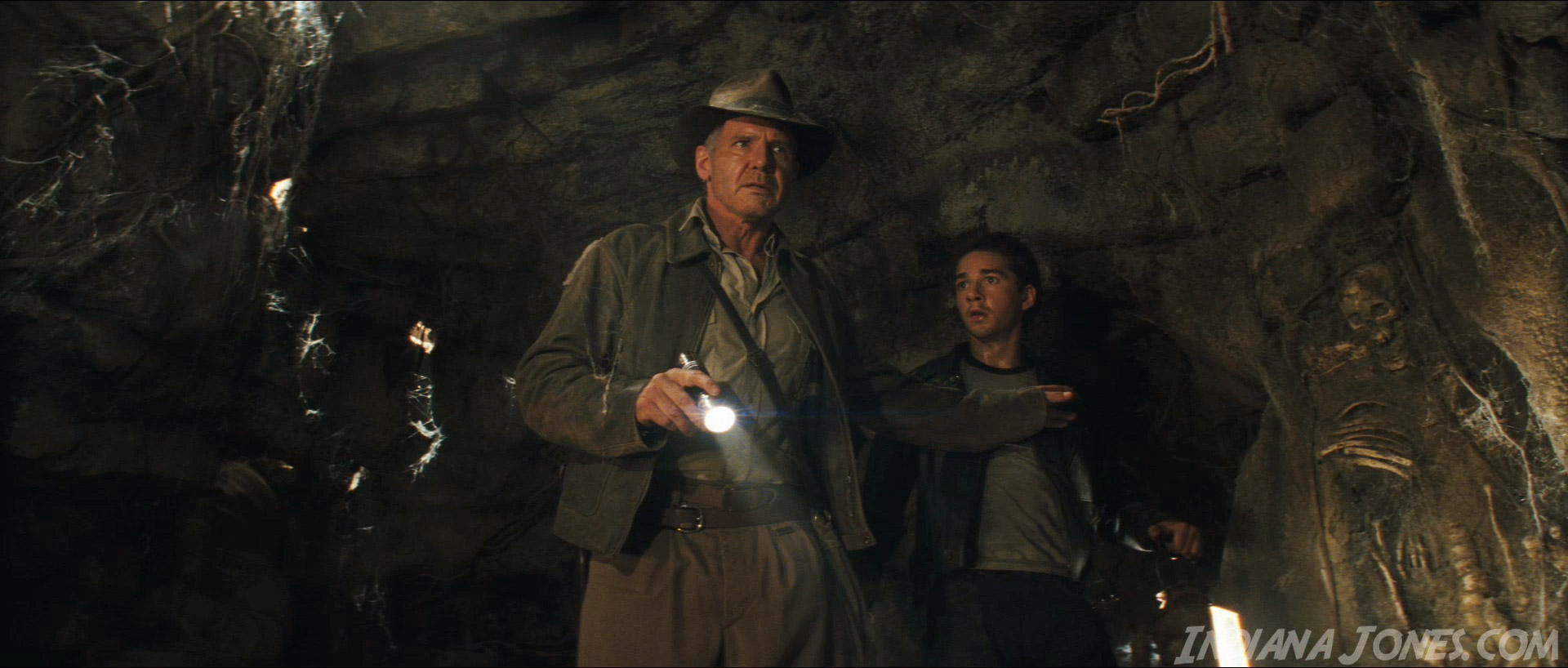
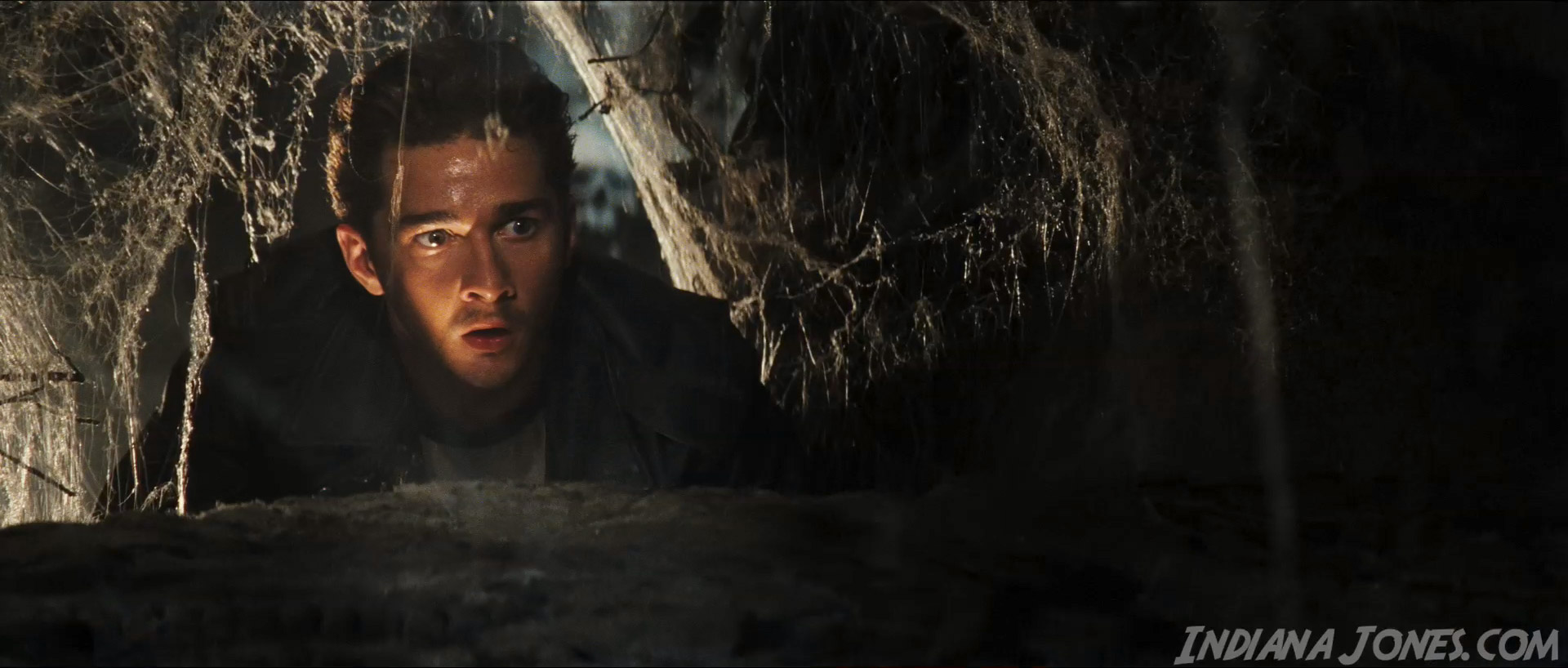
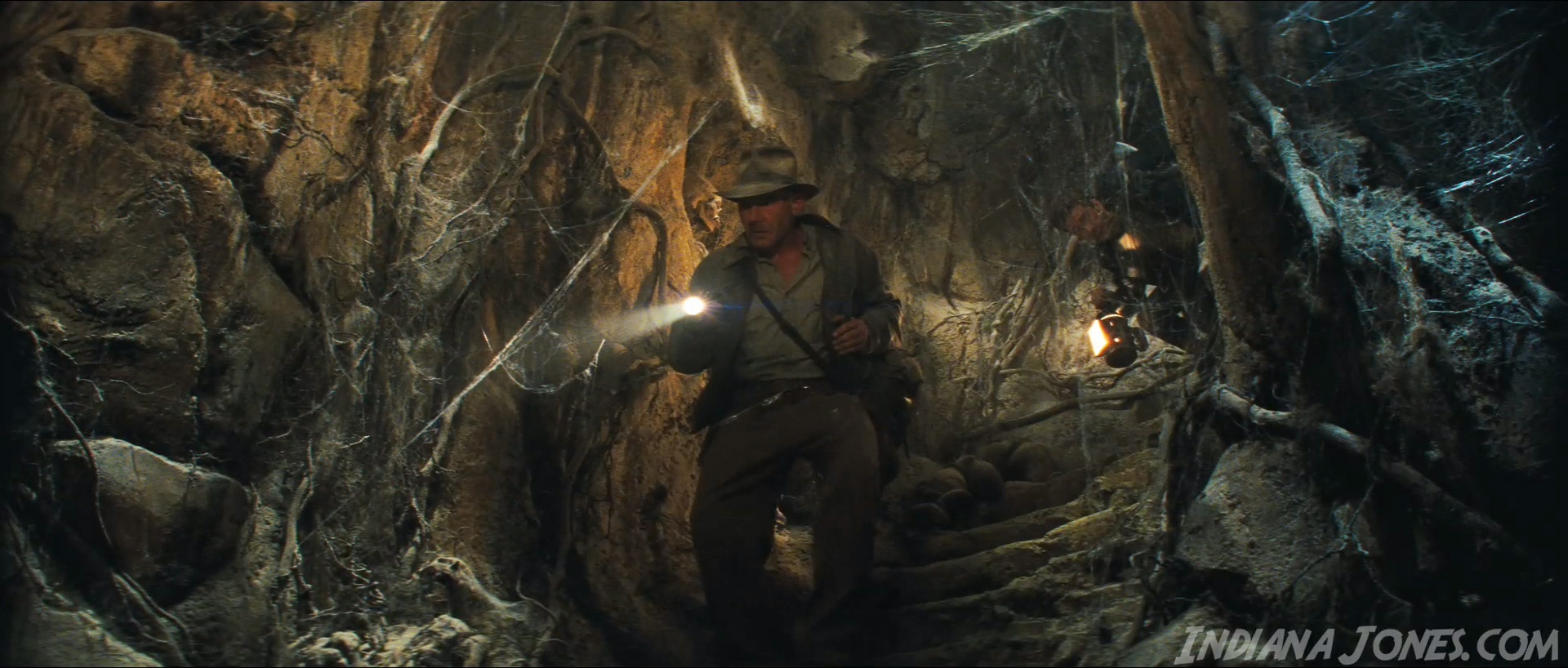
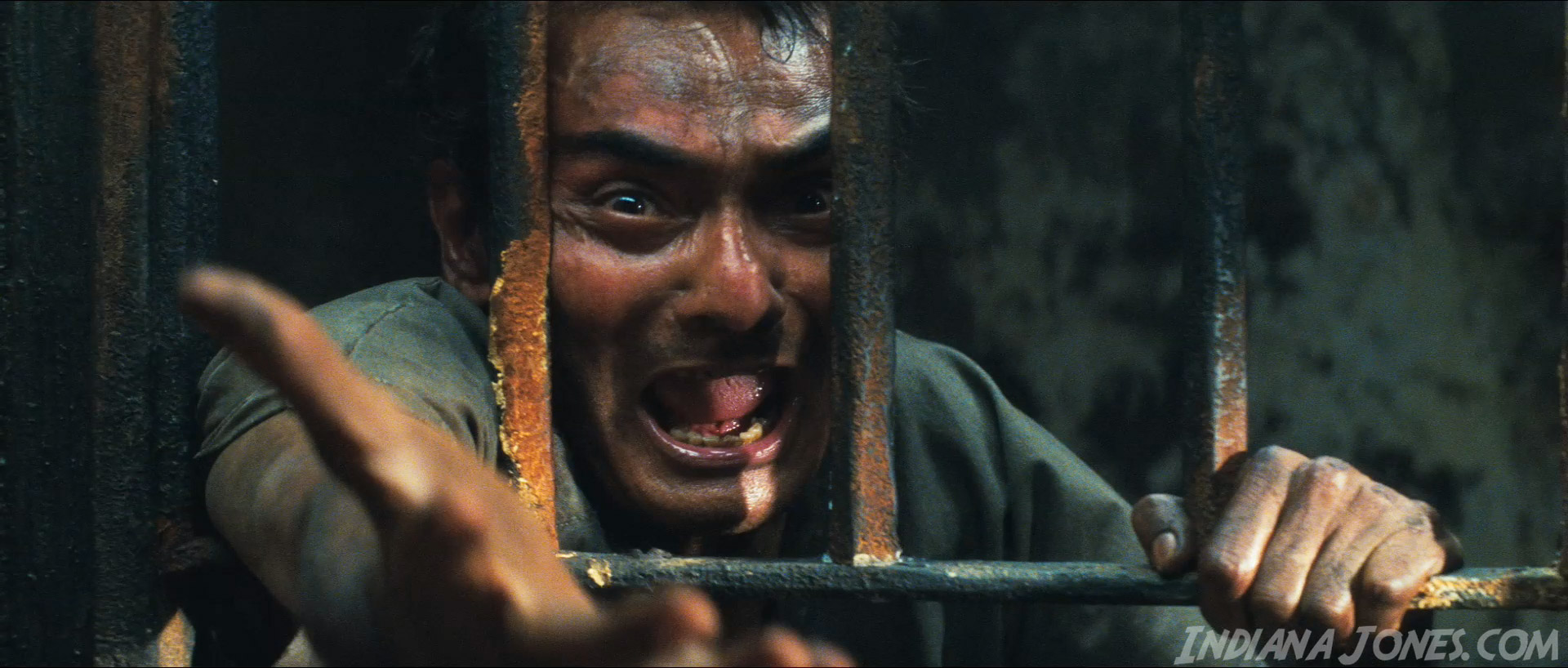
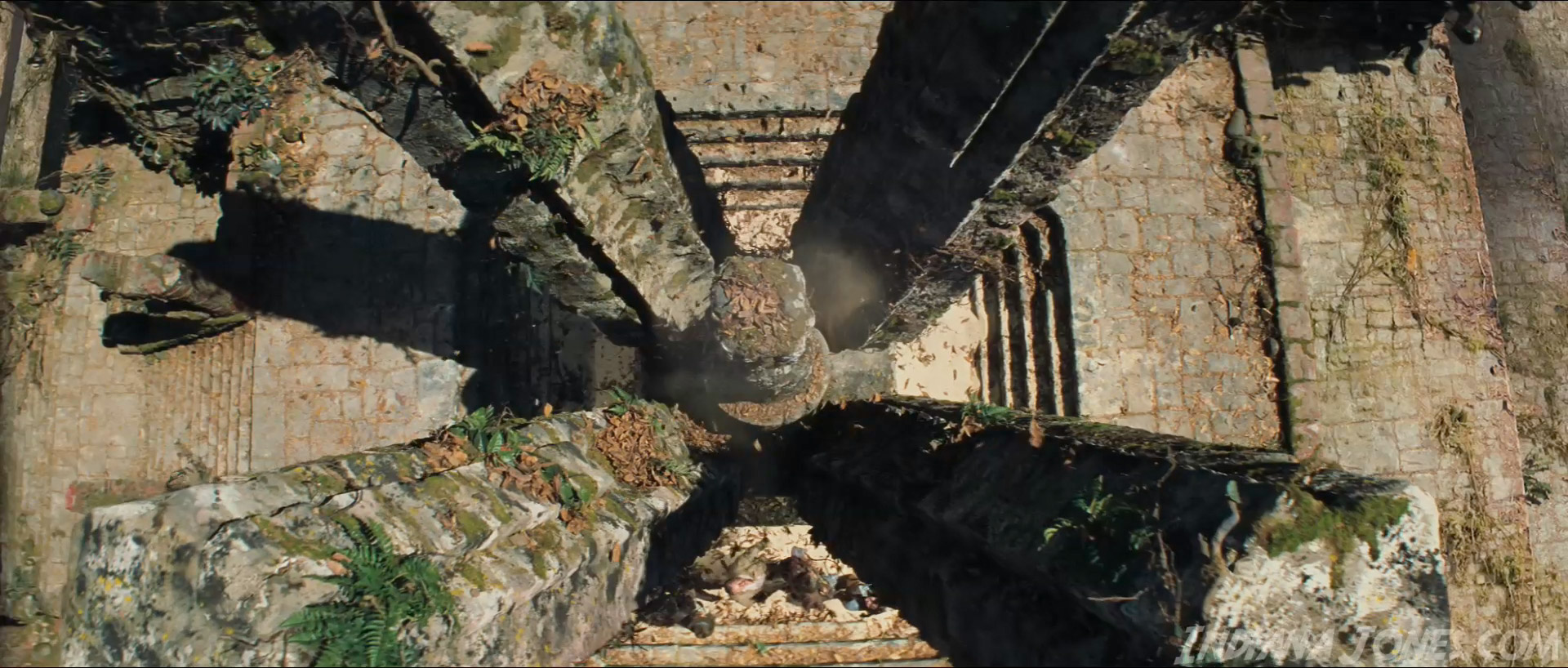
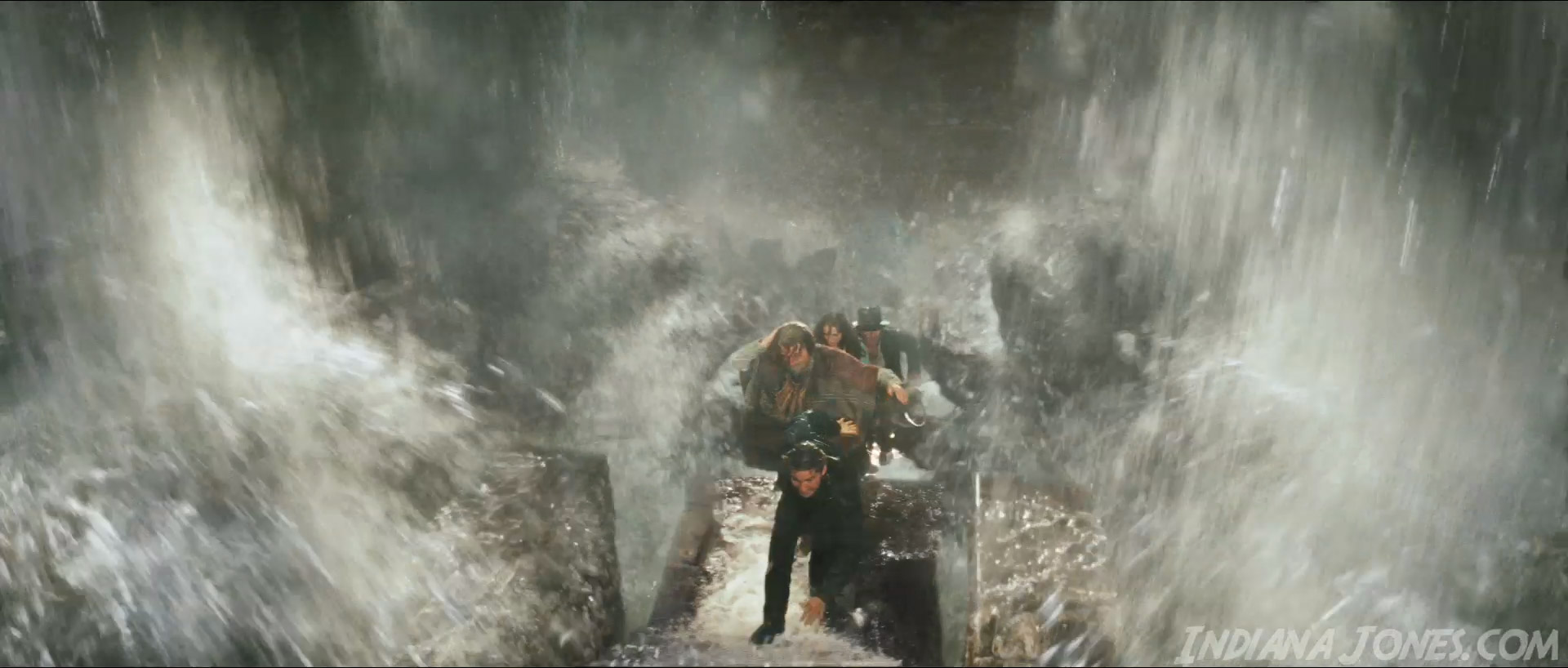
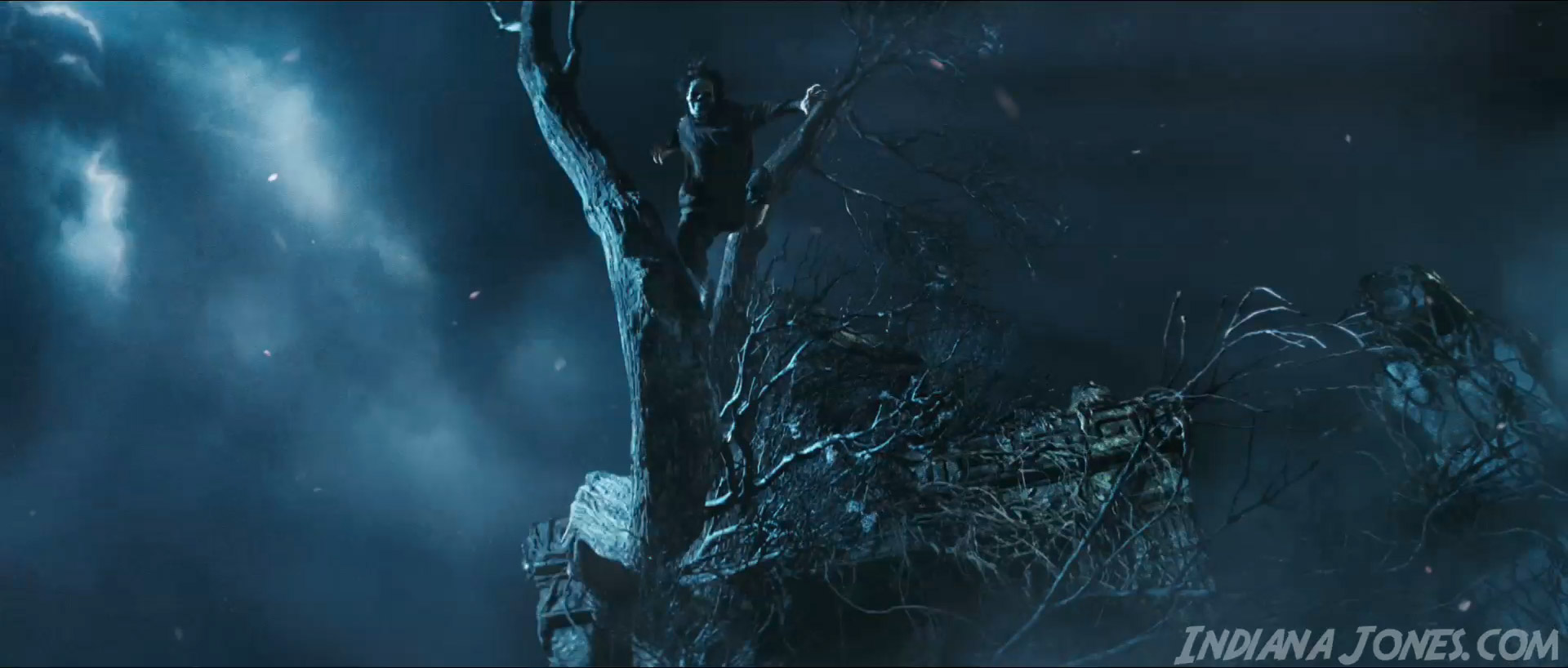
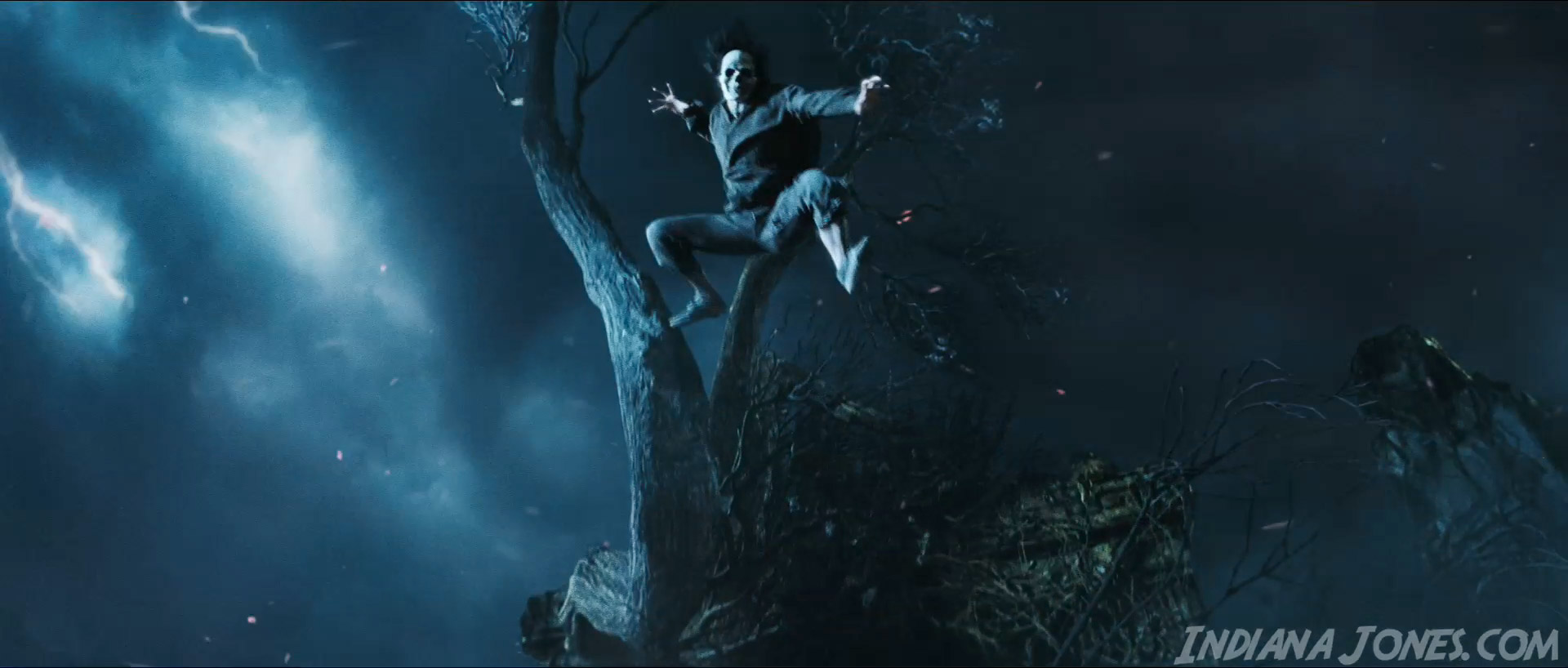
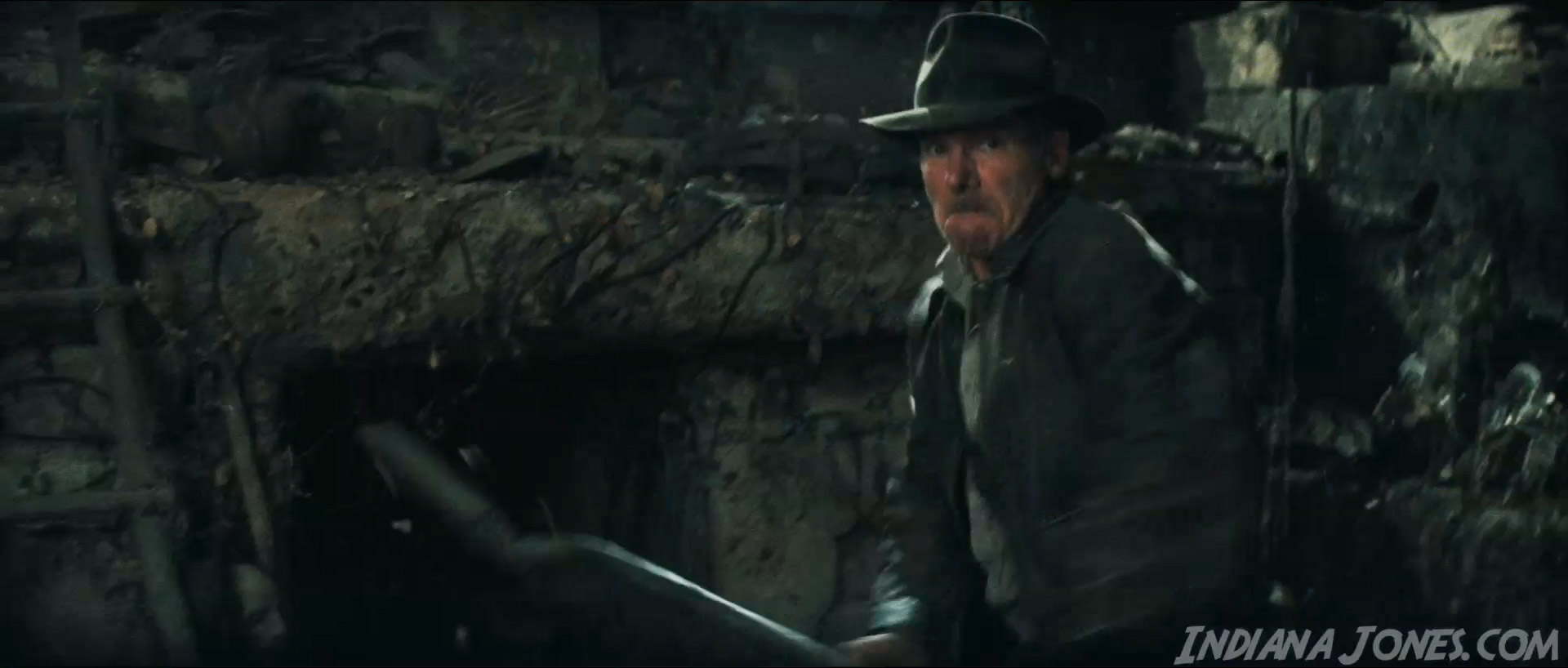
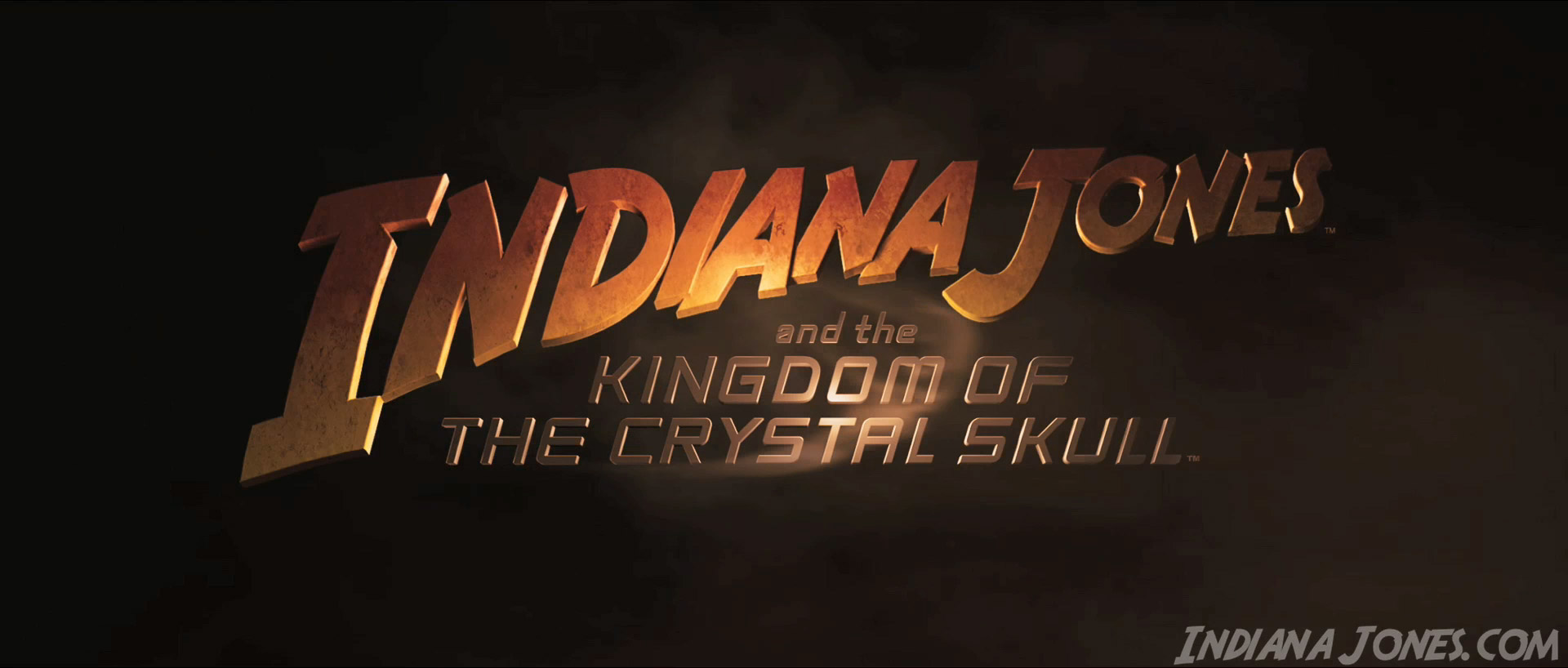
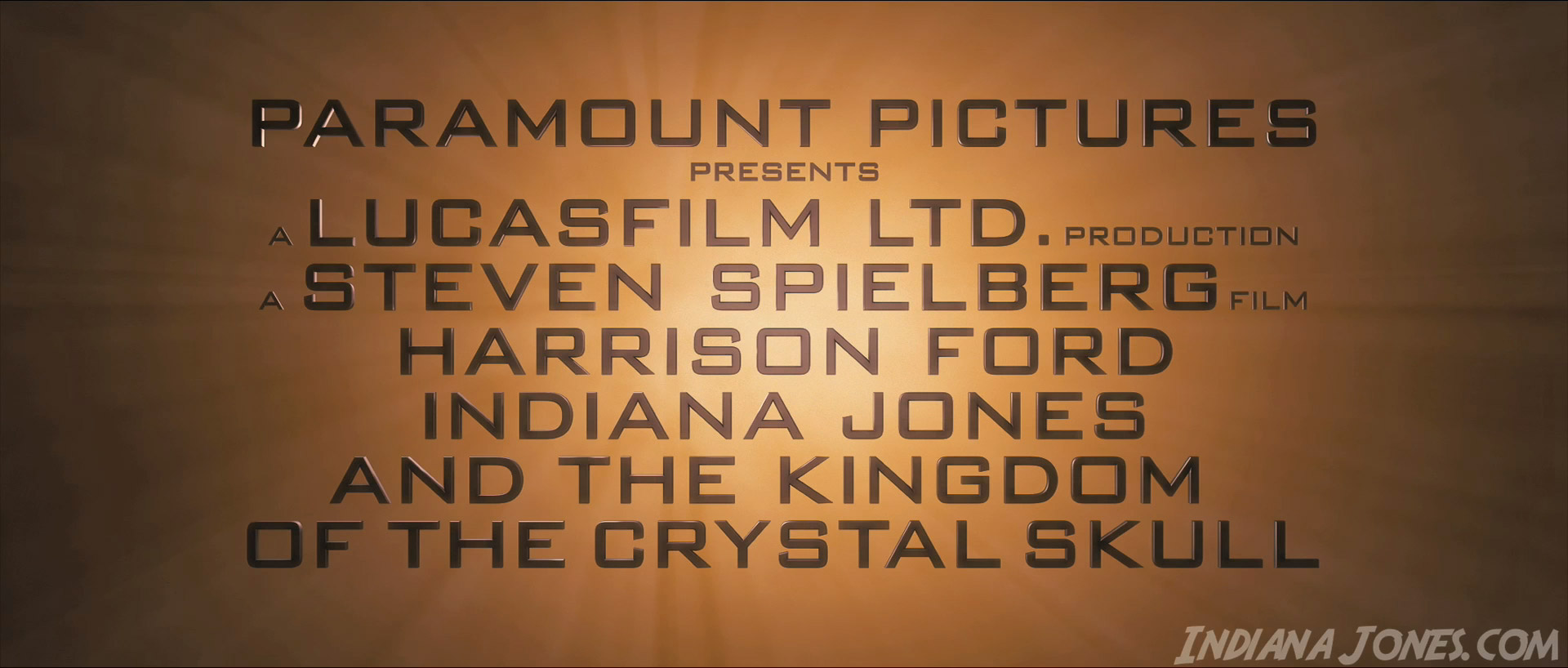
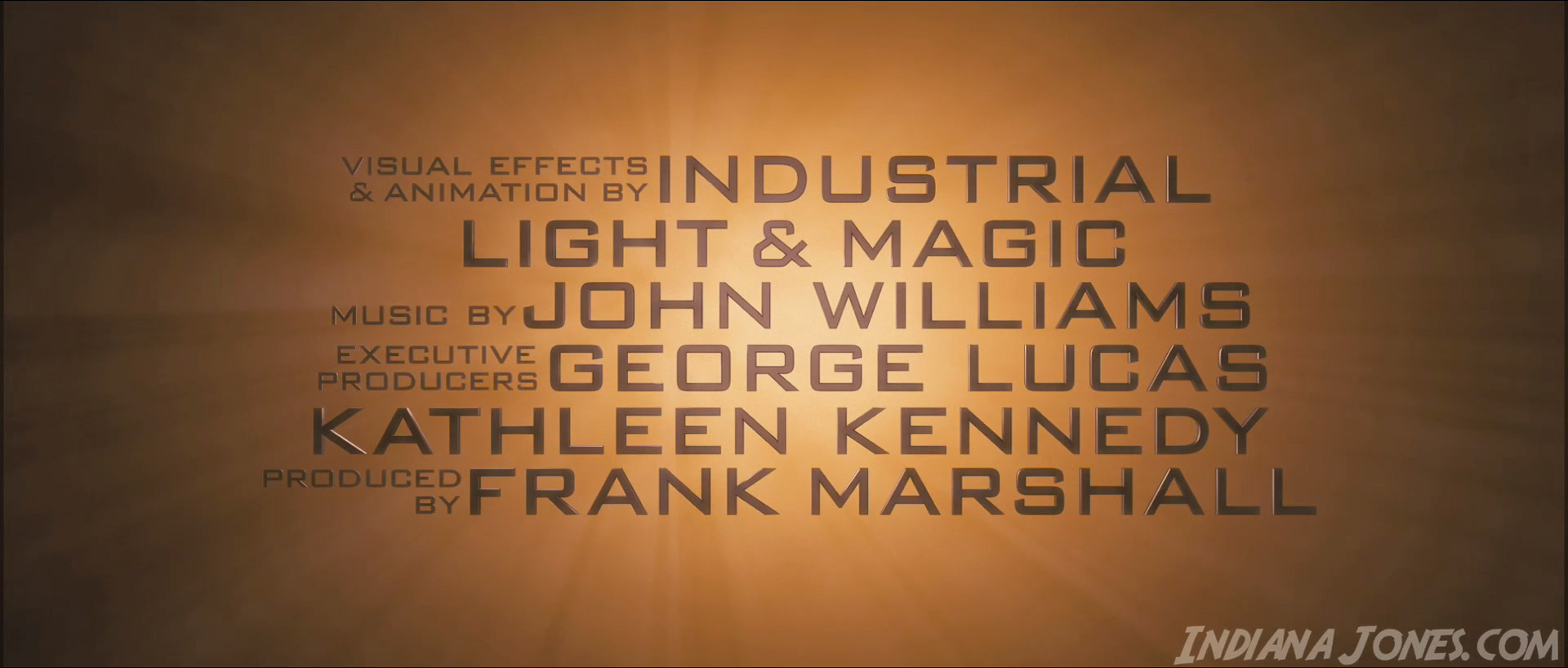
CAPTURAS DEL SPOT 2
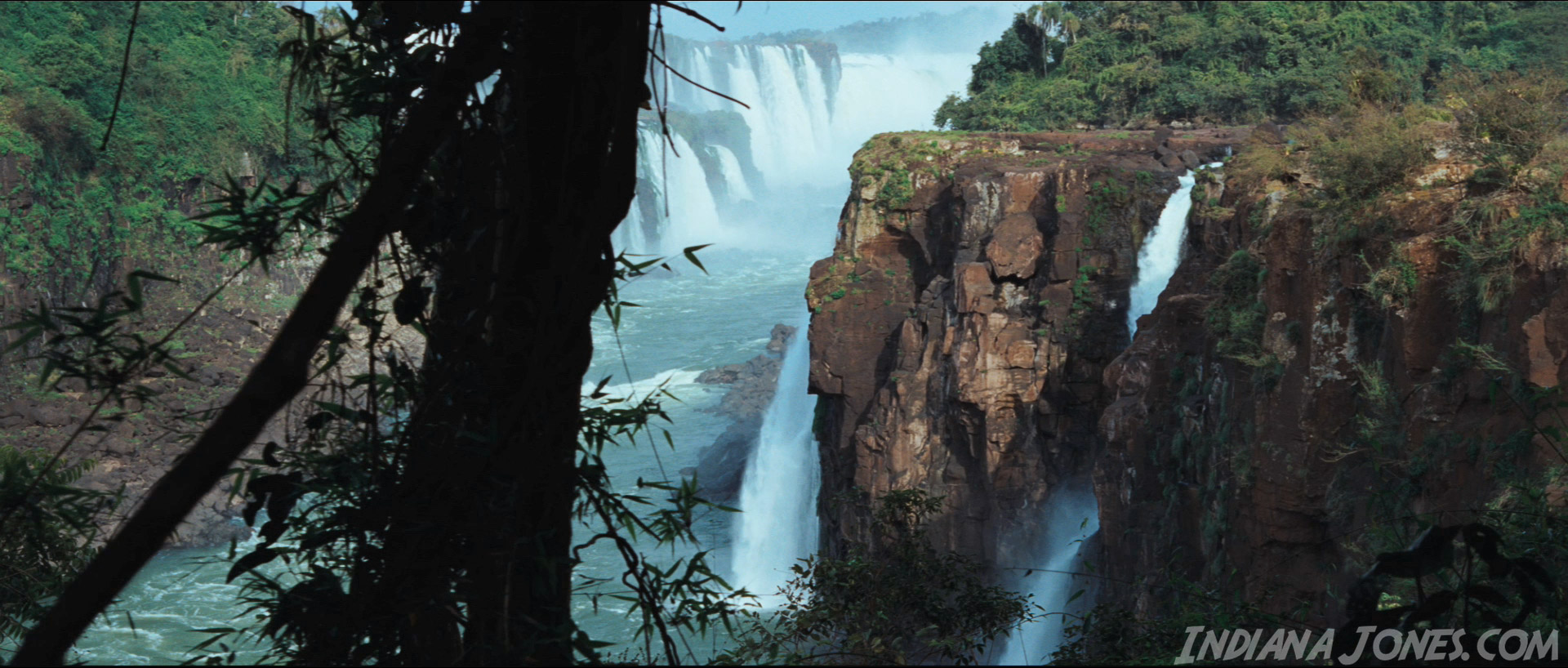
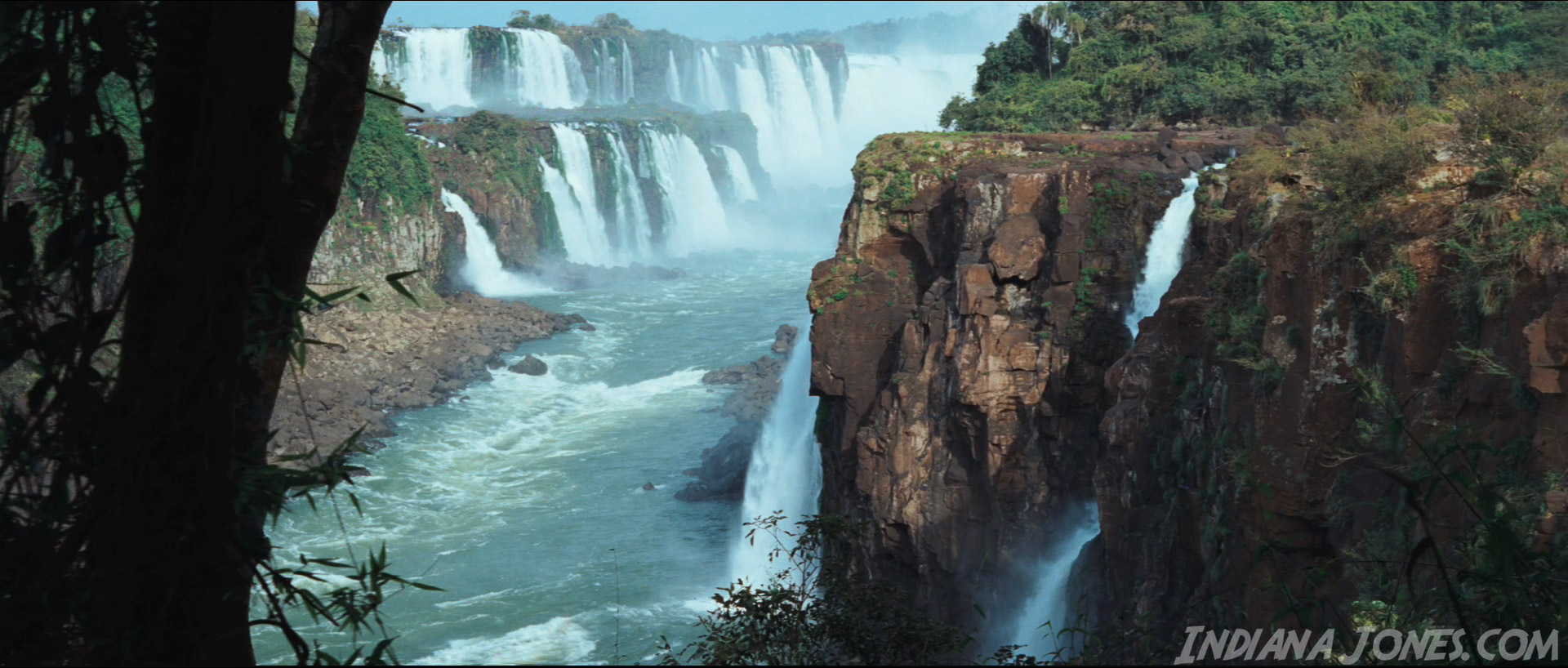
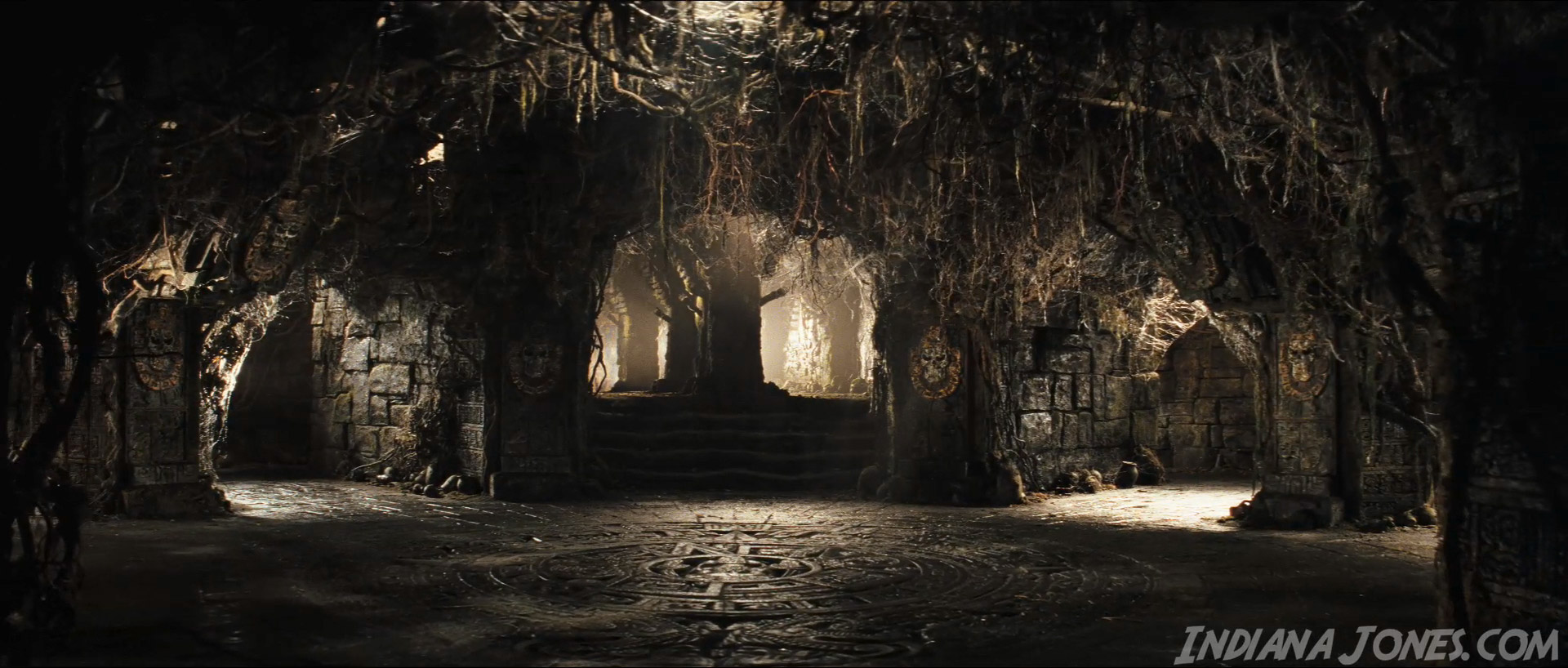
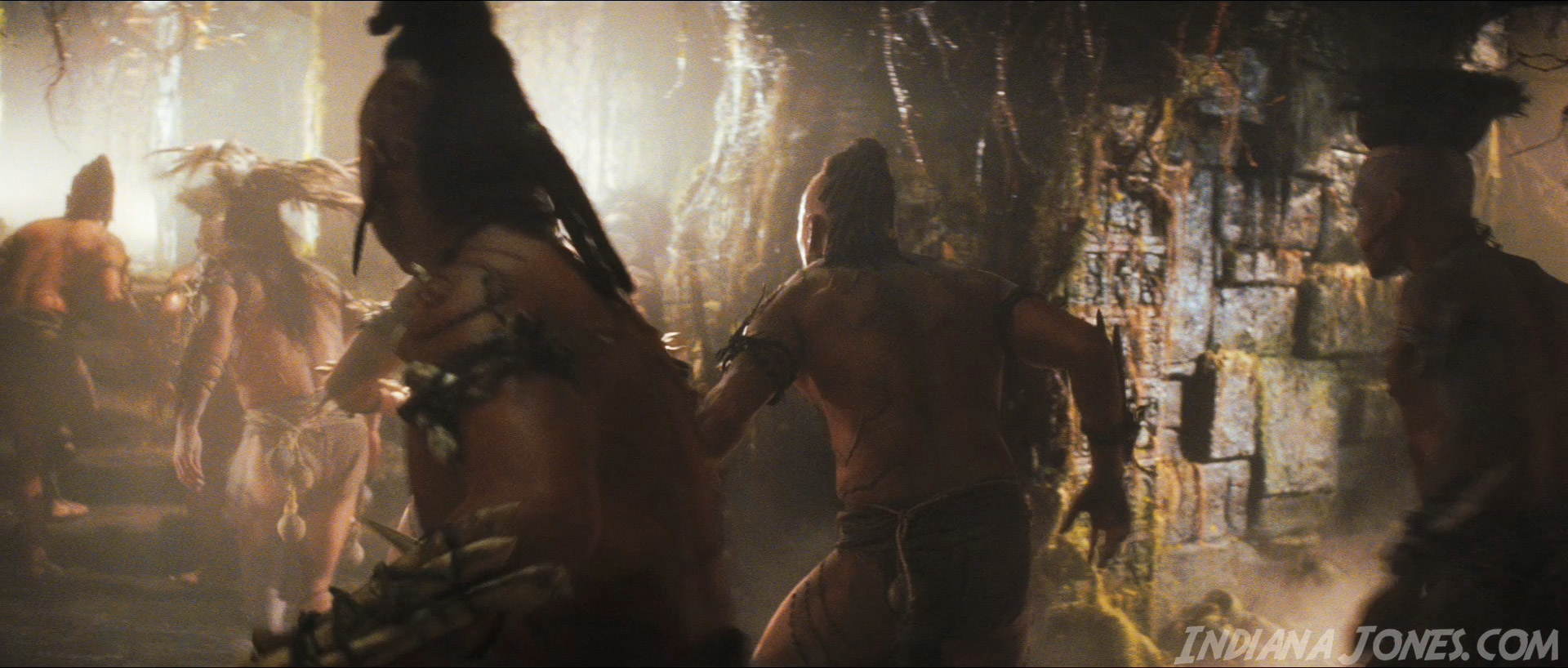
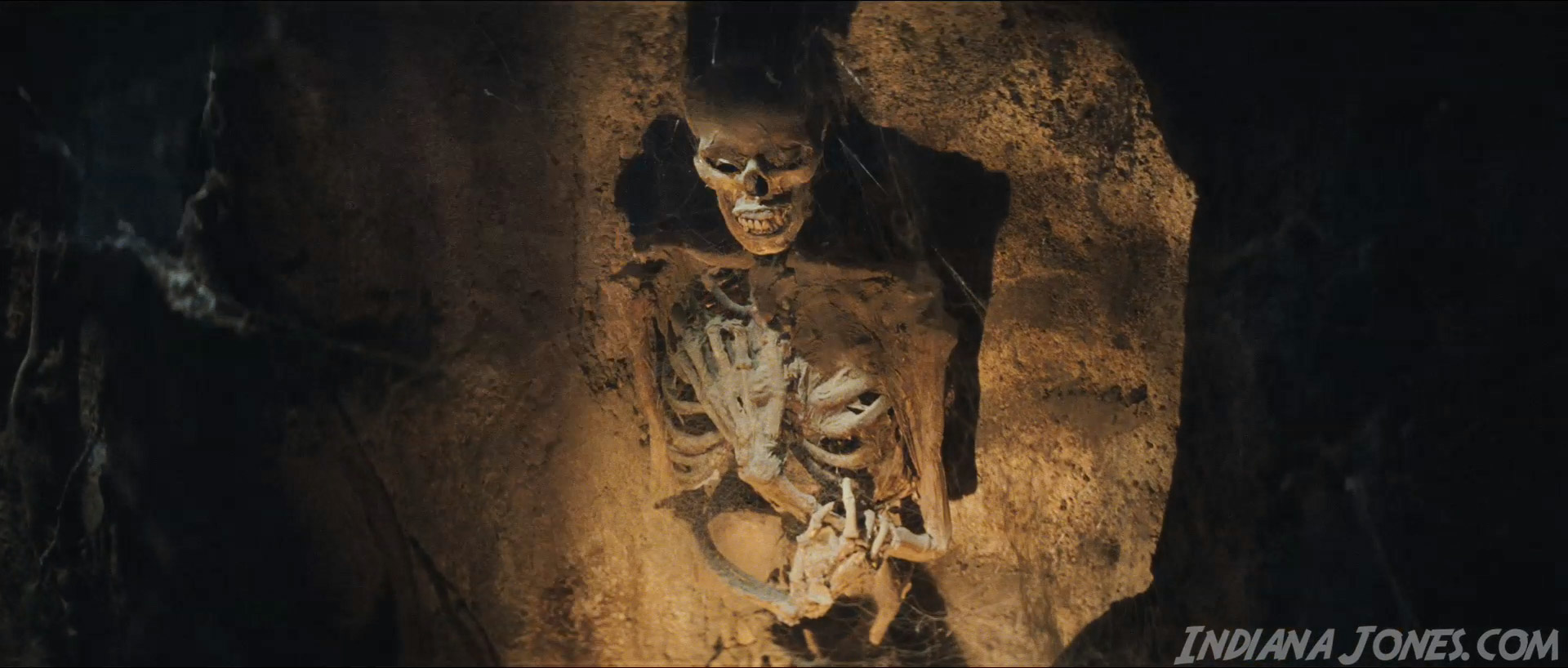
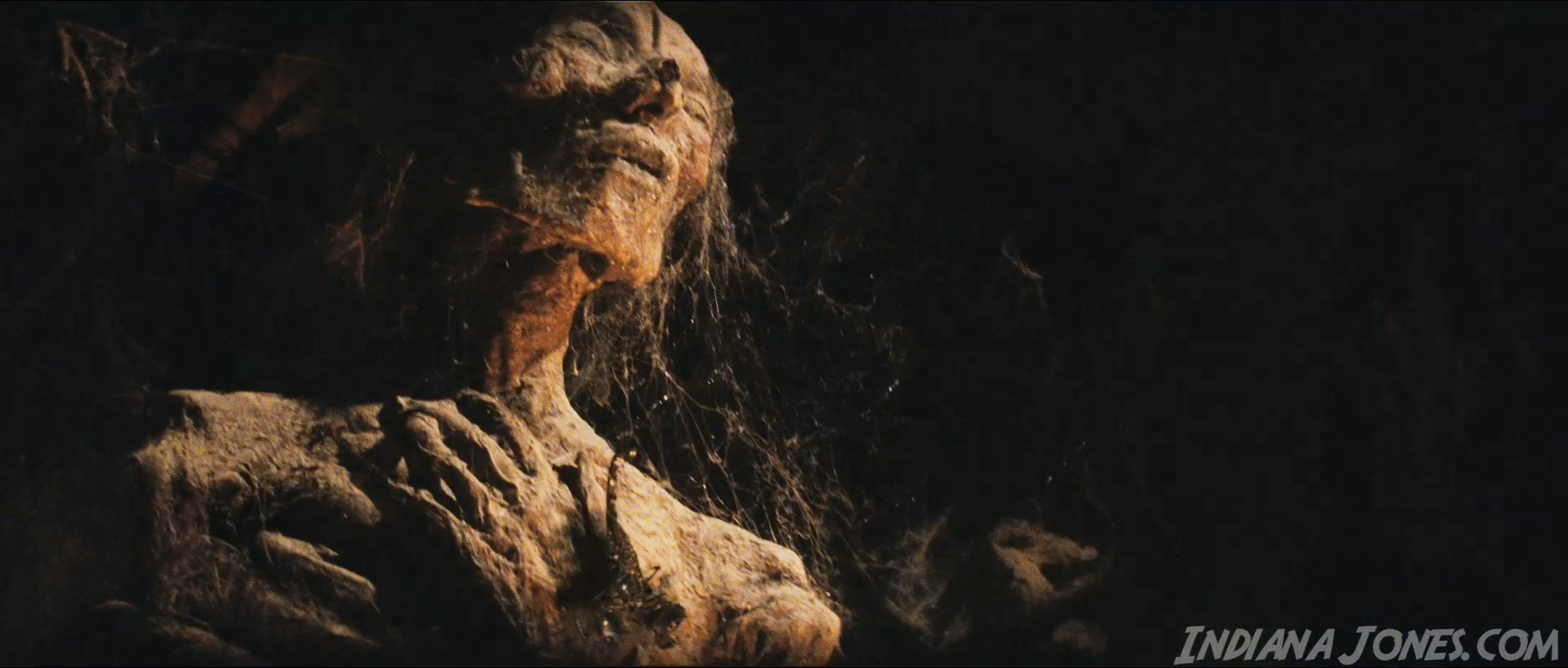
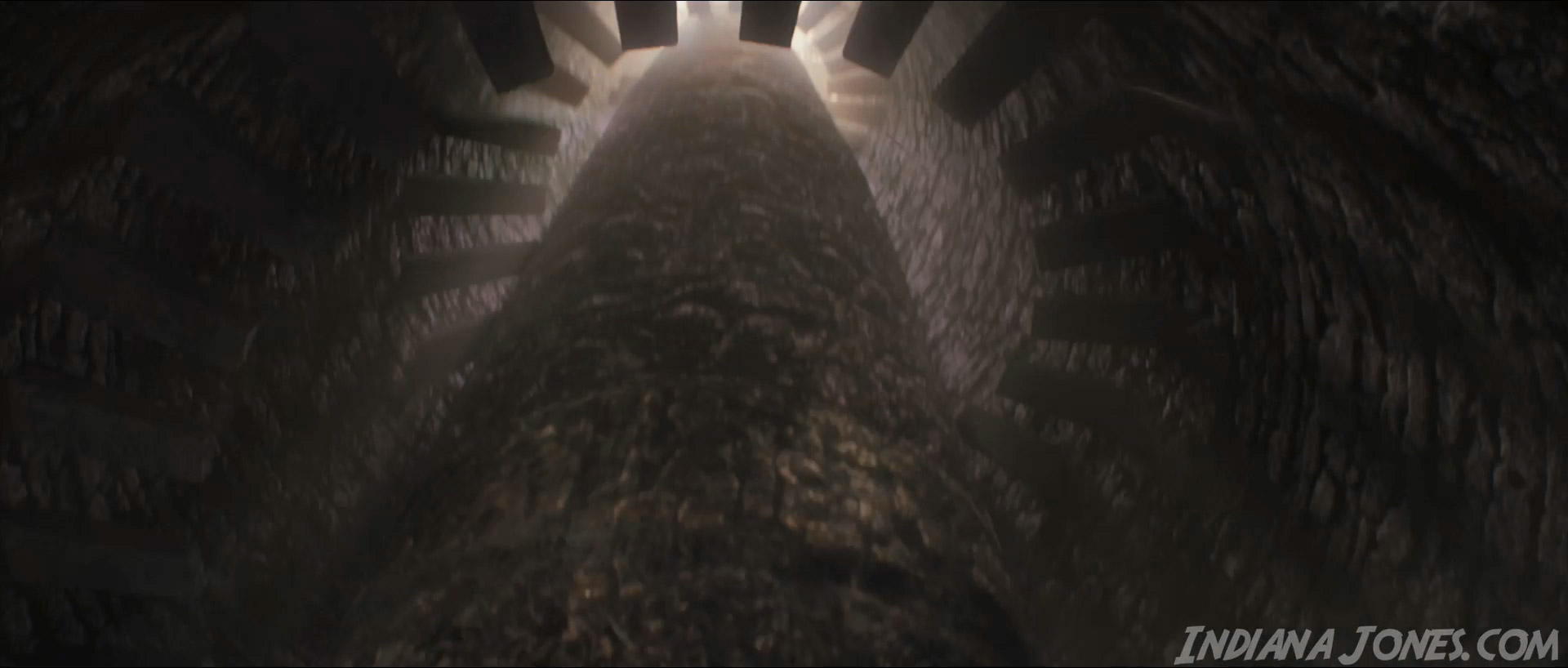
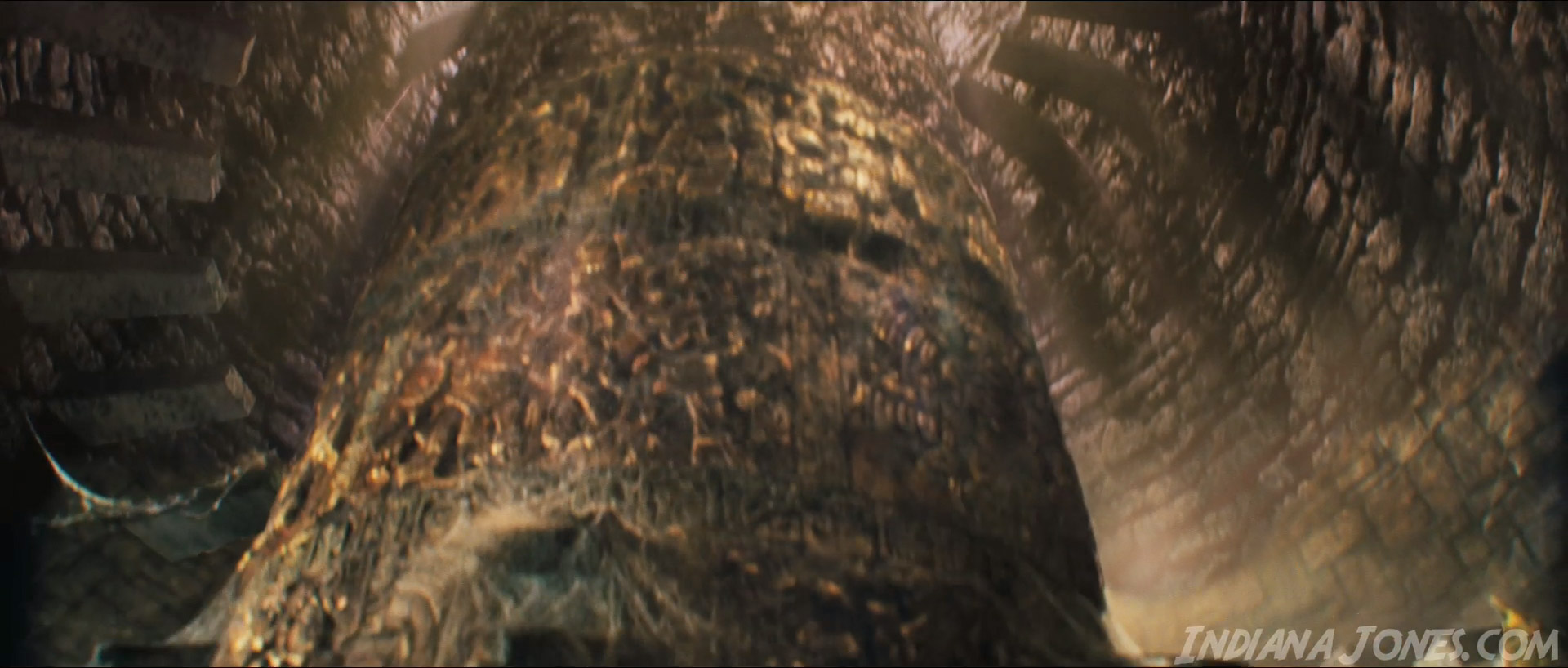
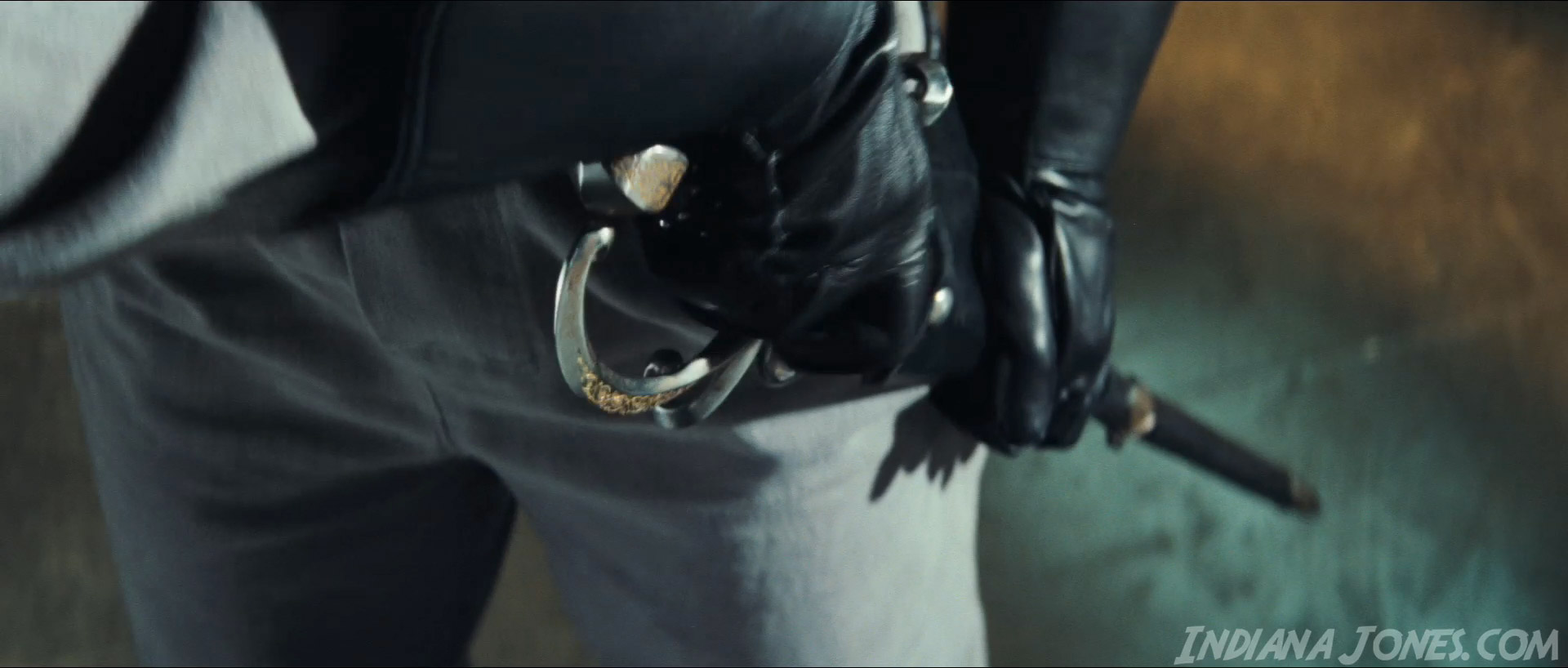
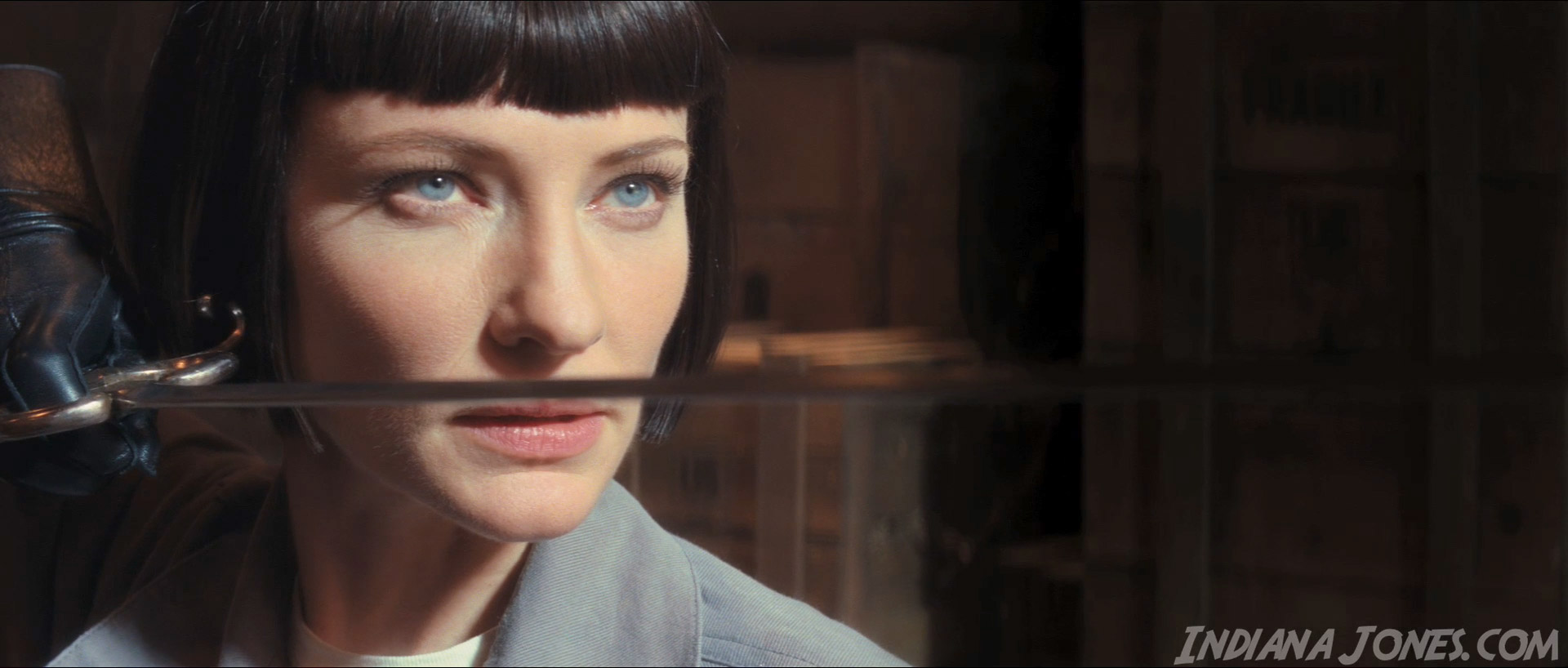
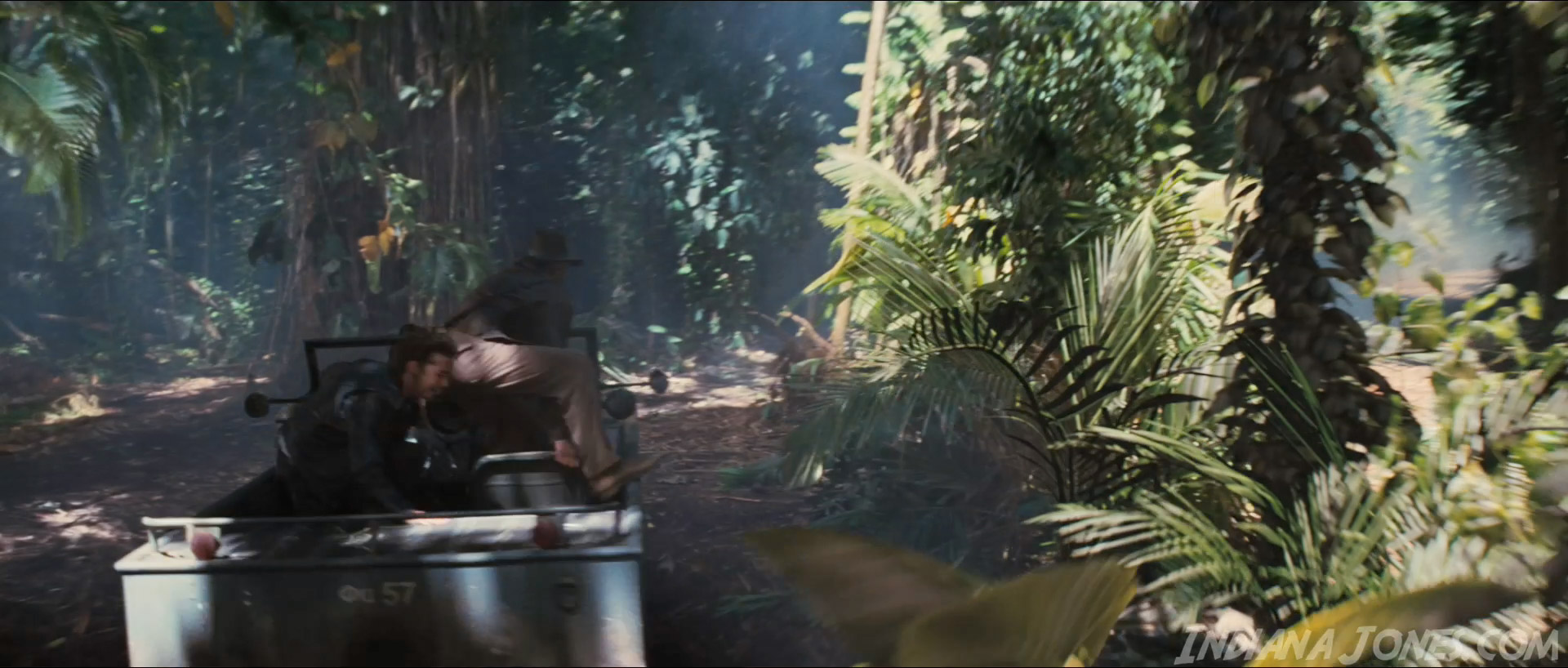
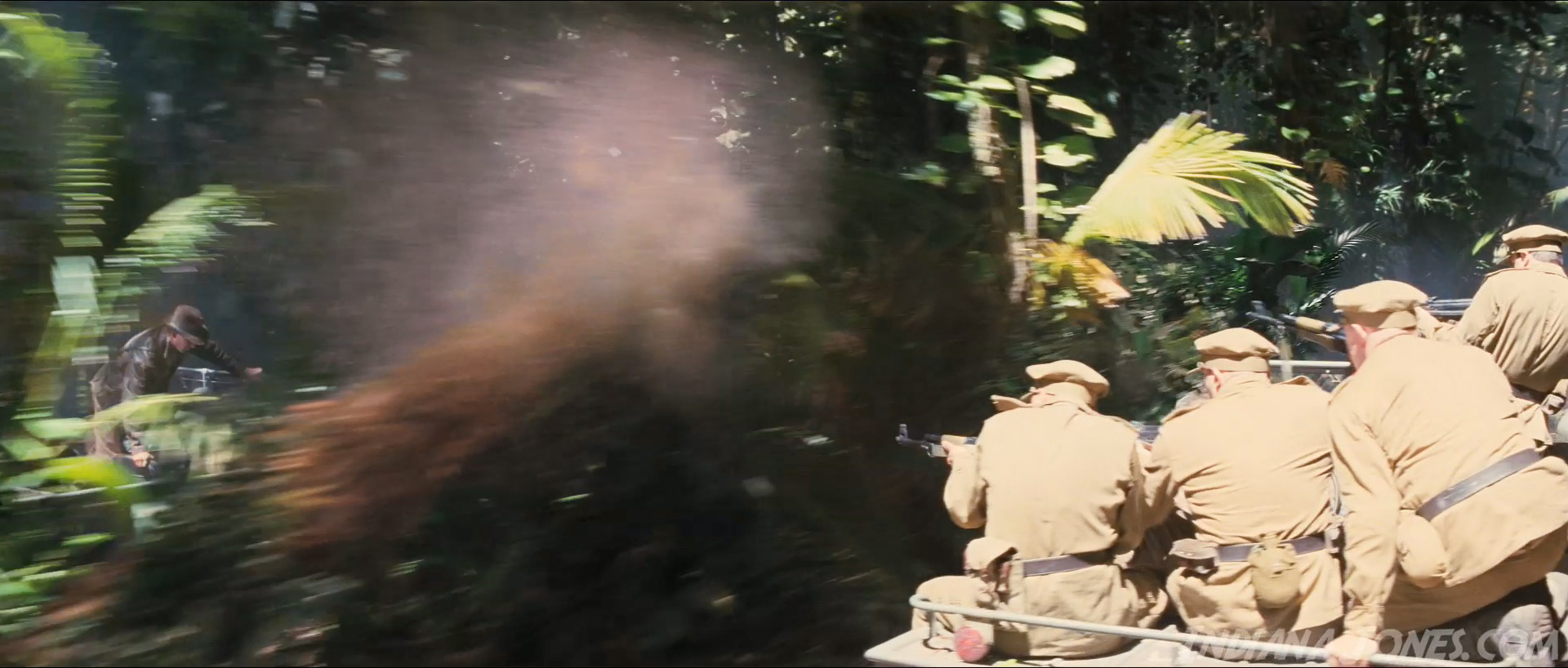
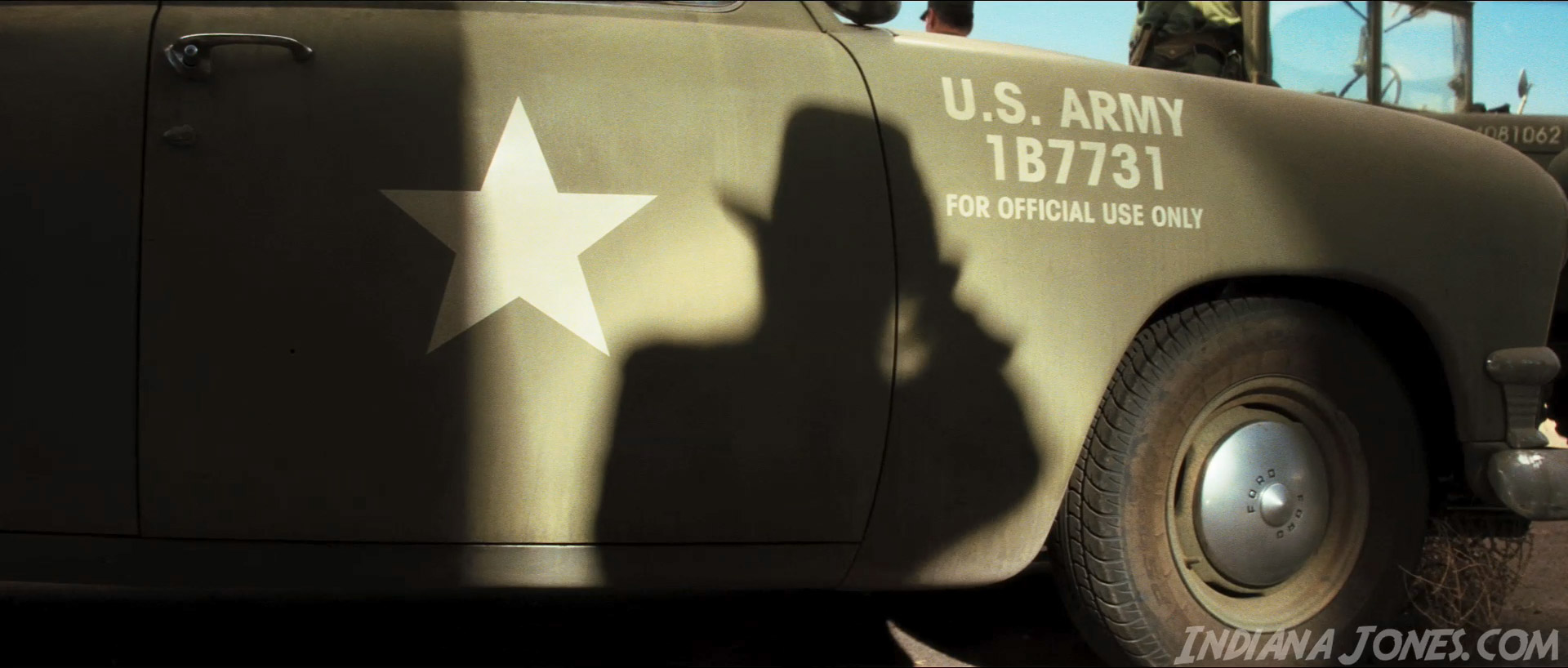
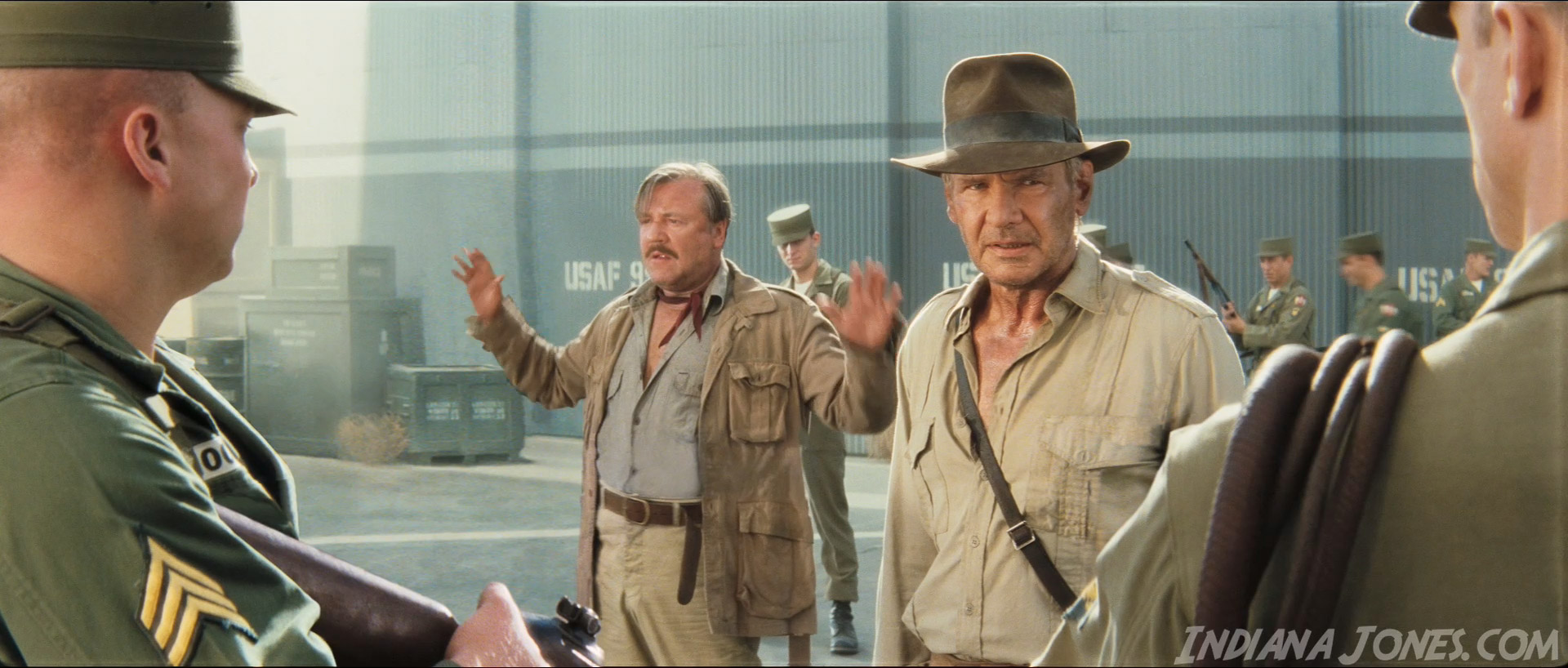
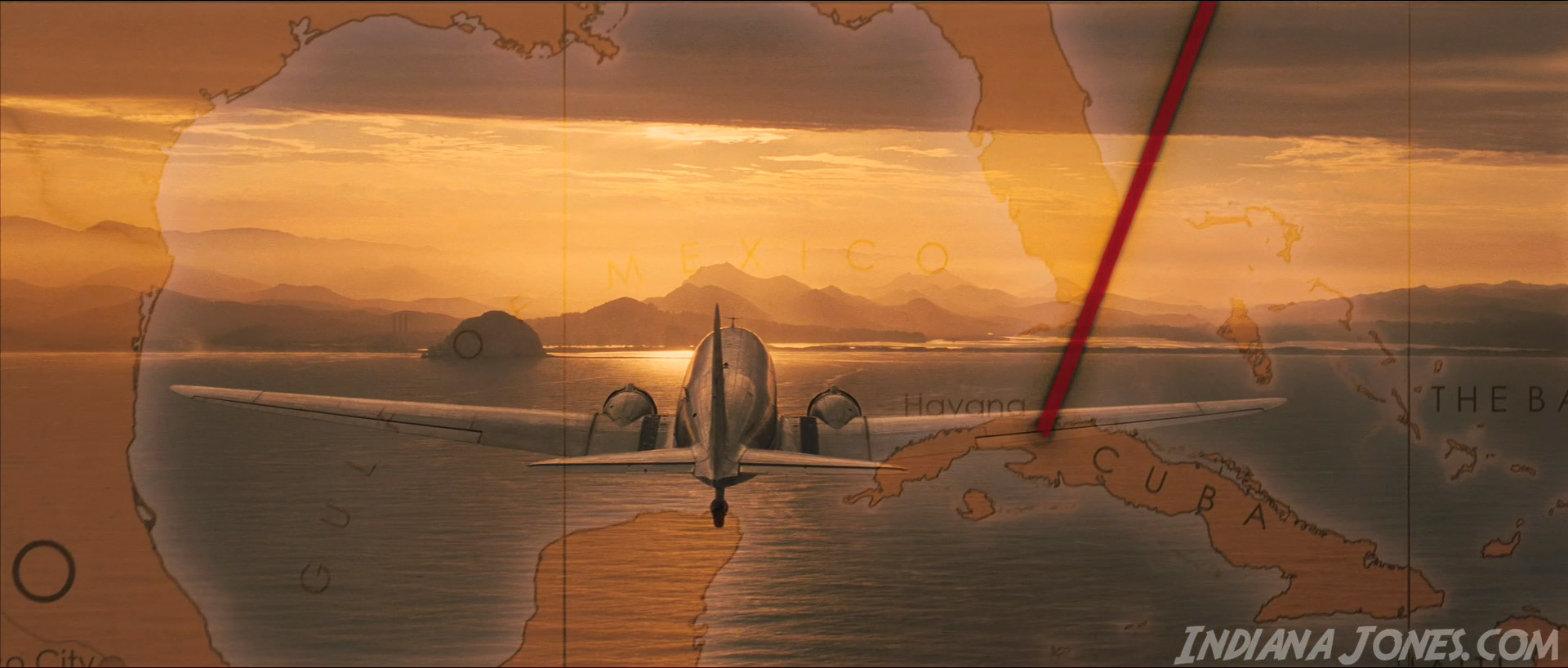
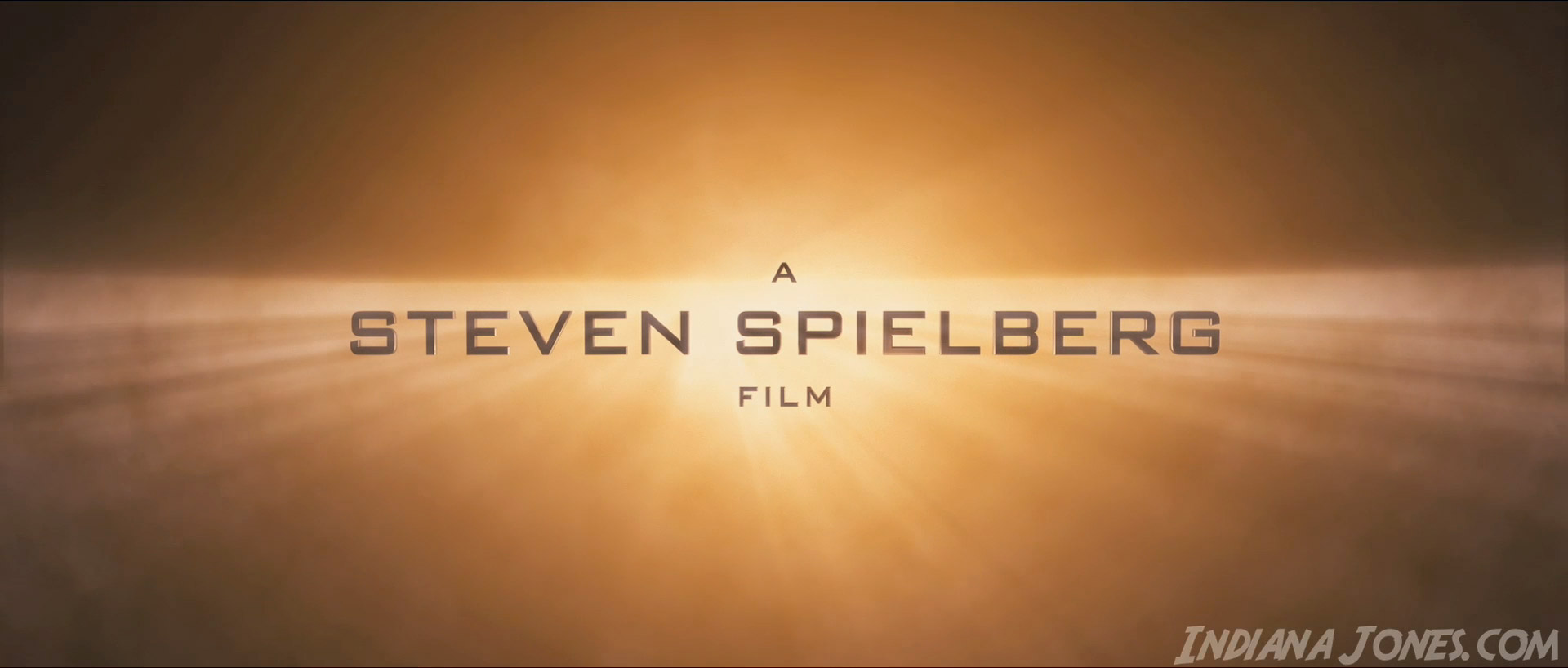
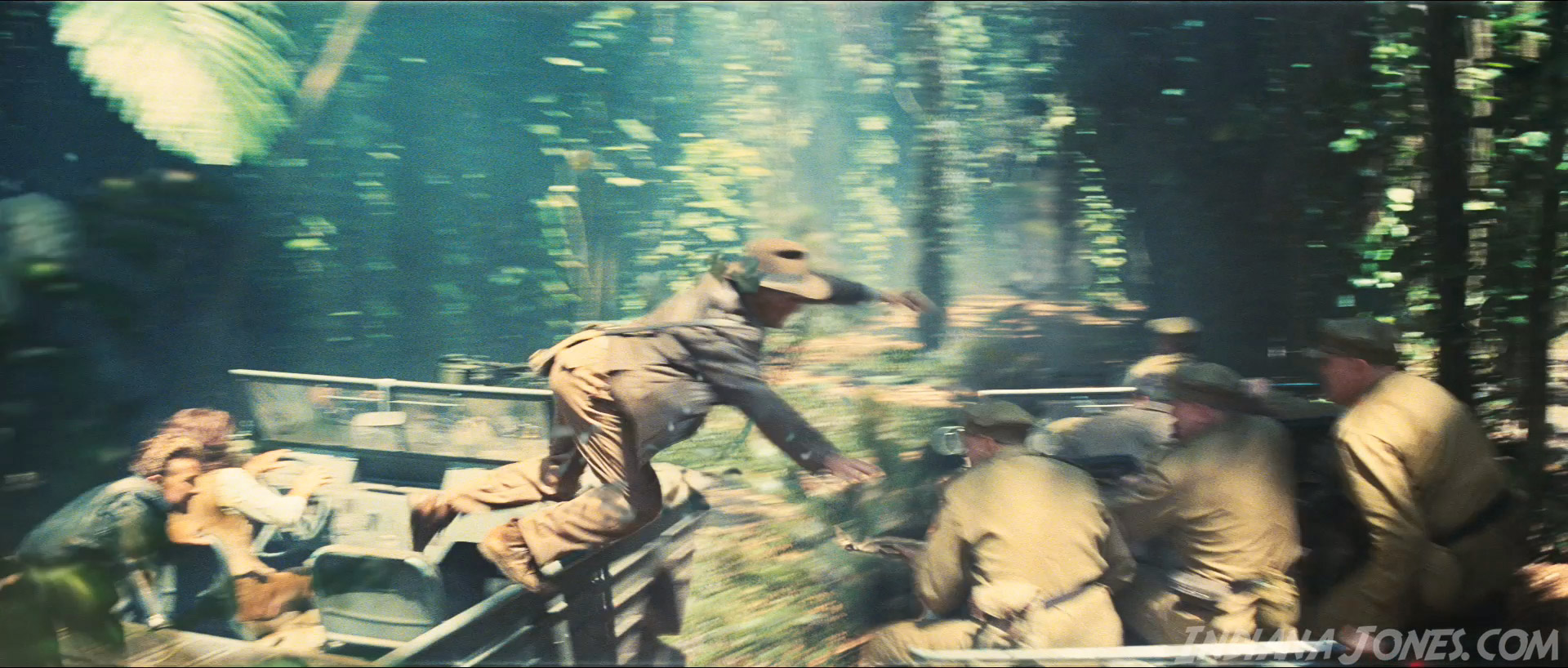
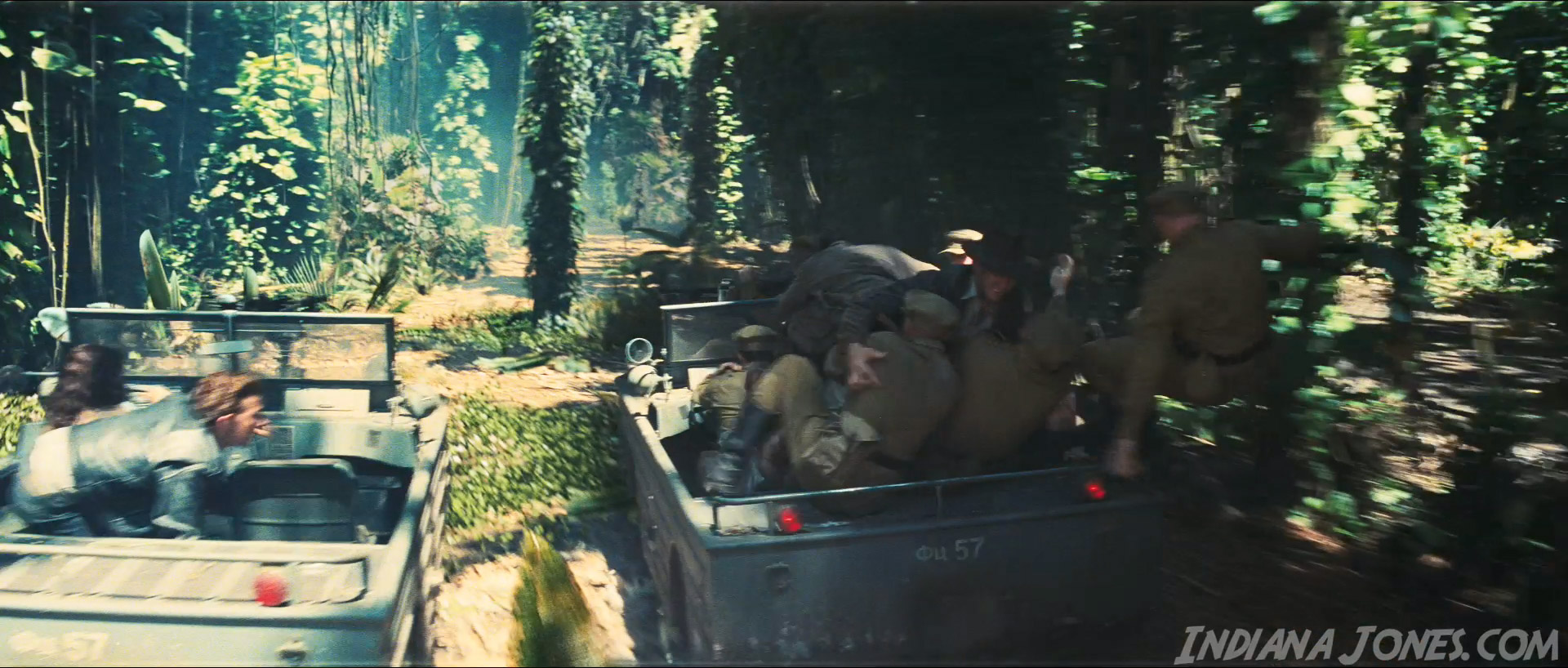
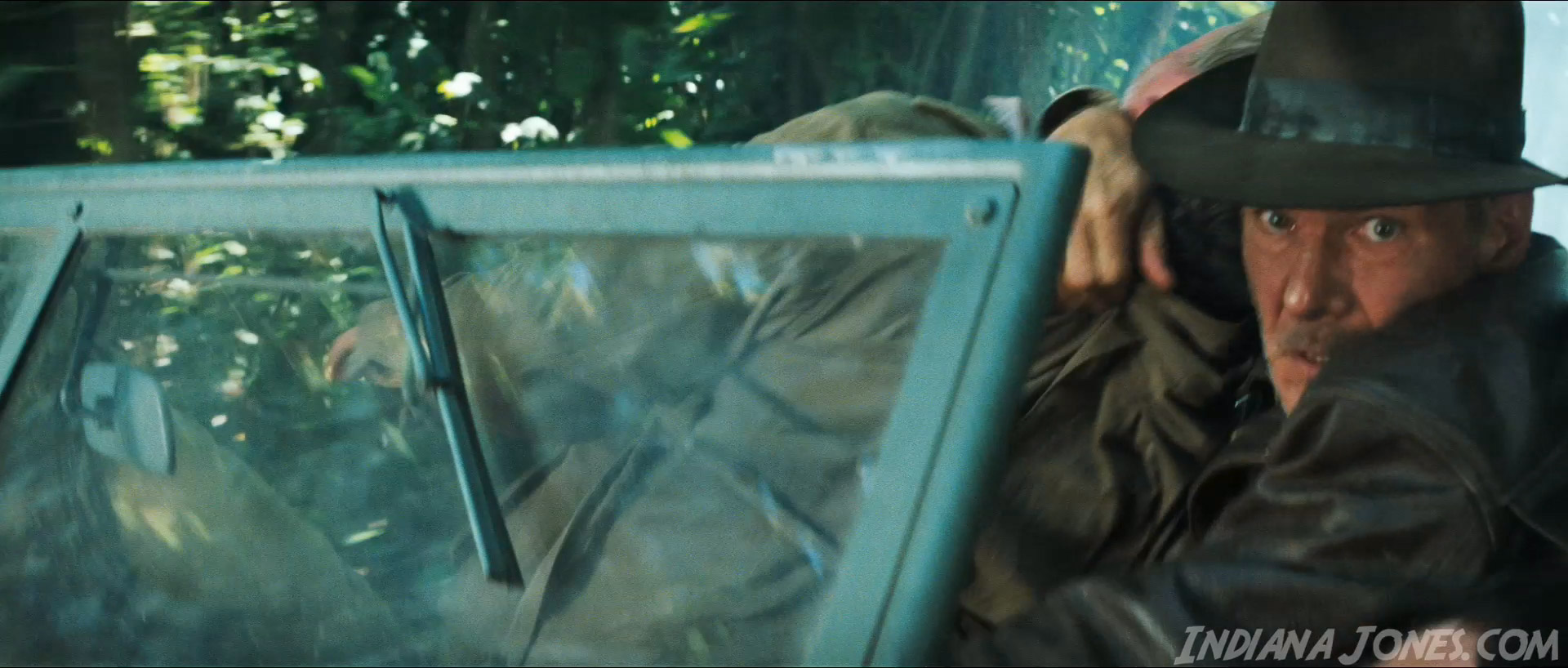
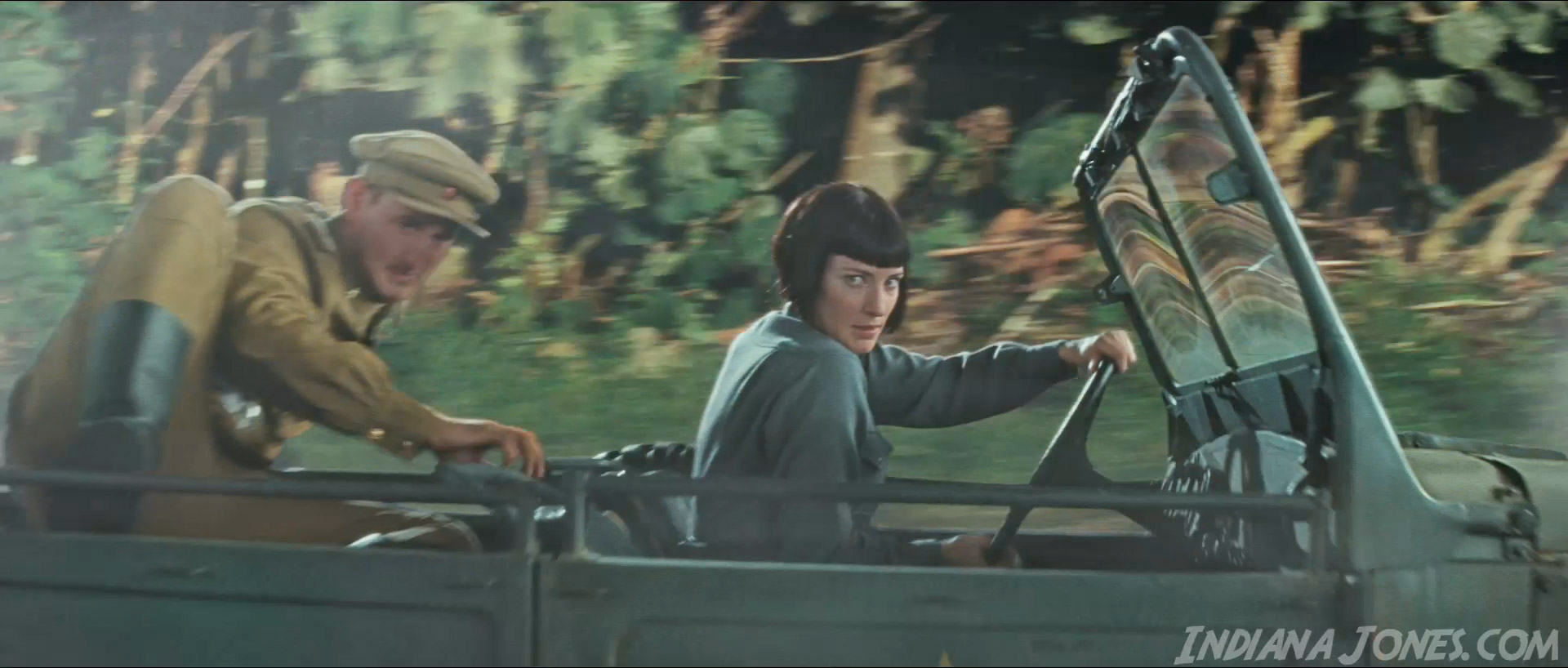
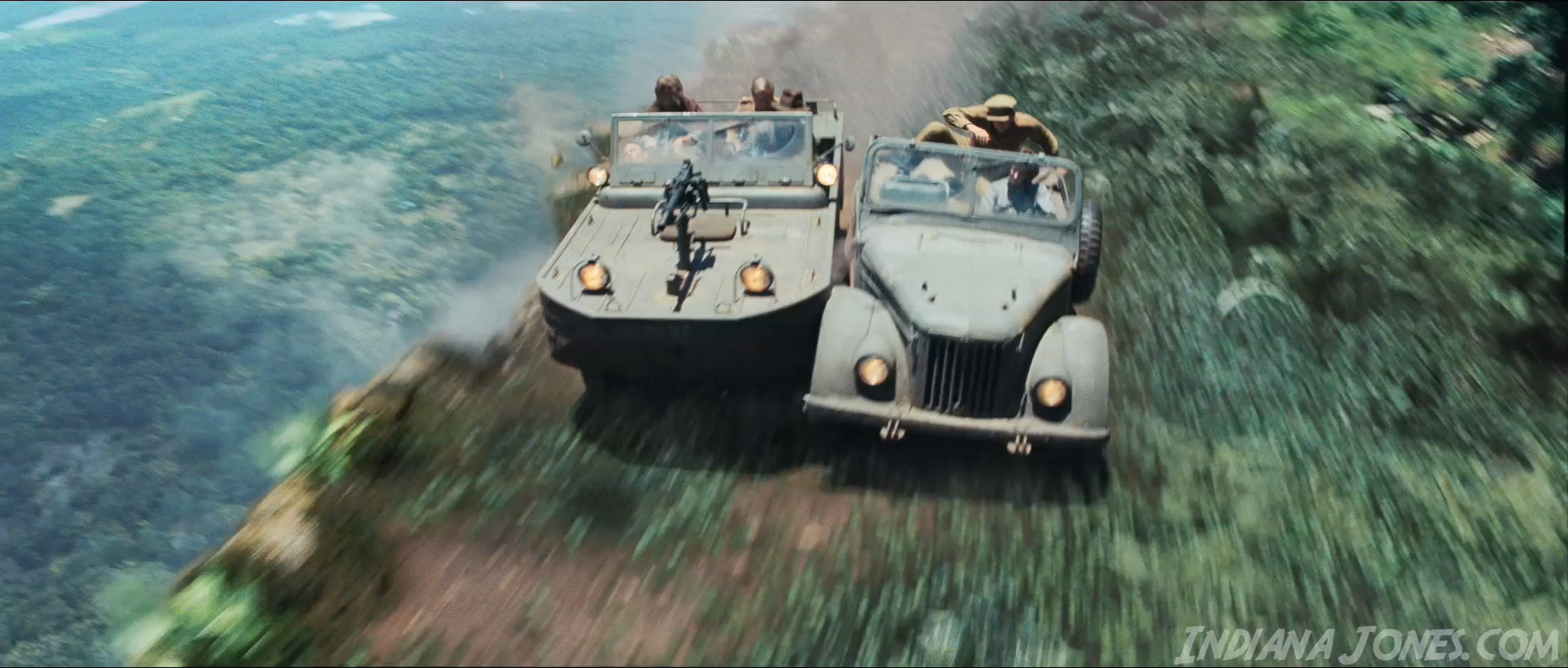
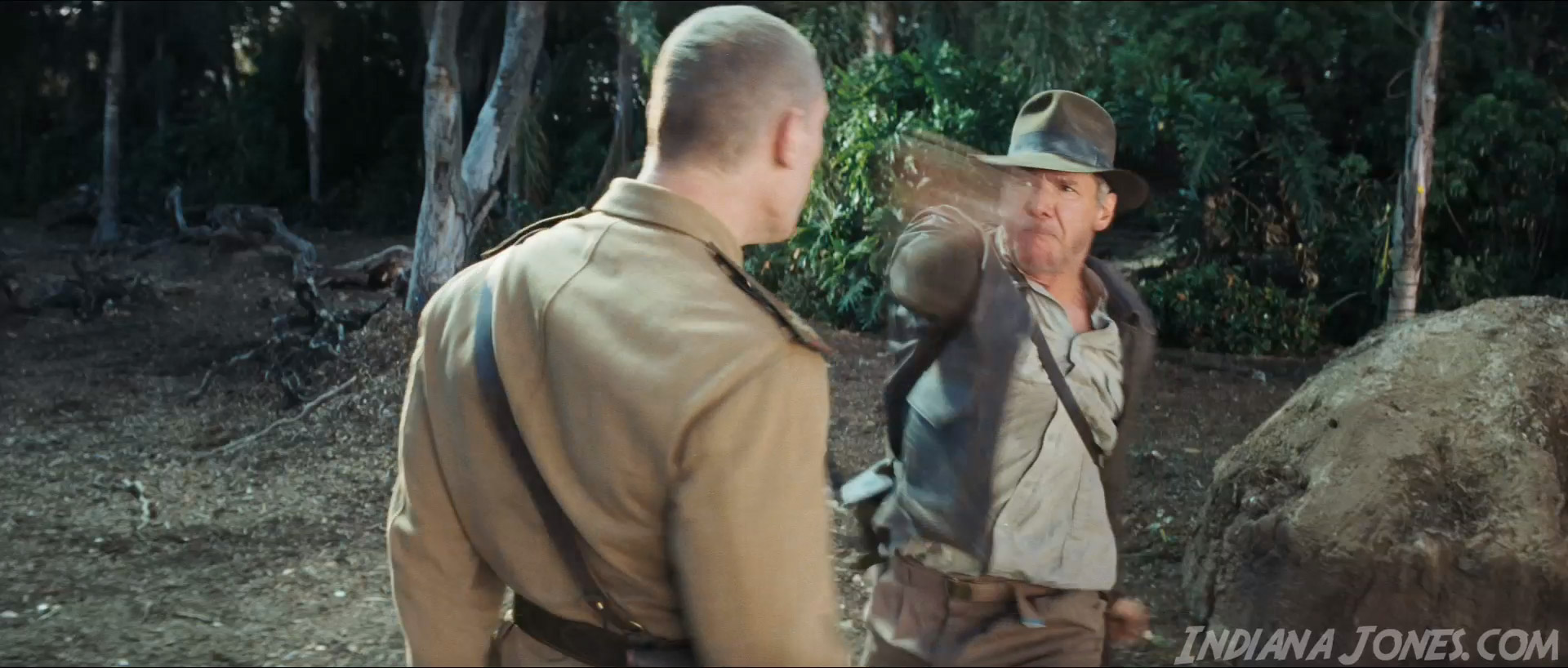
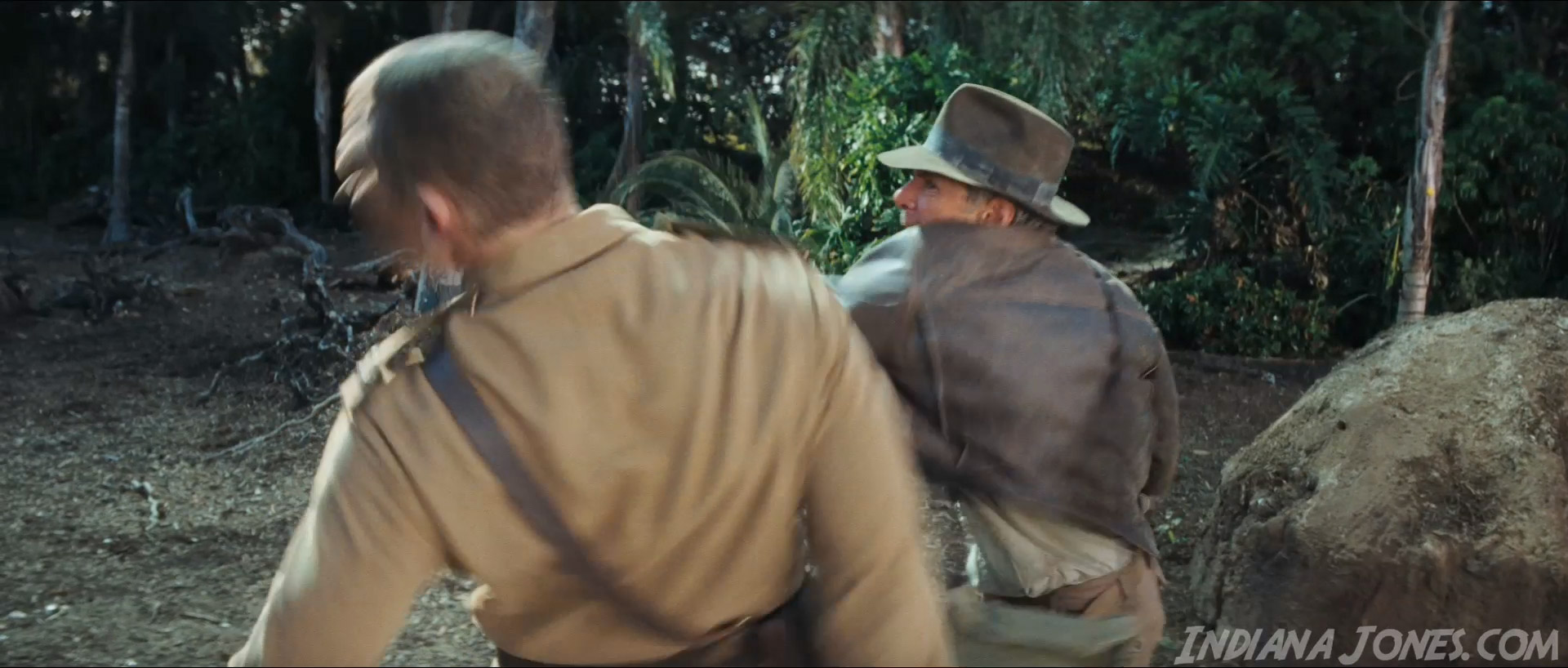
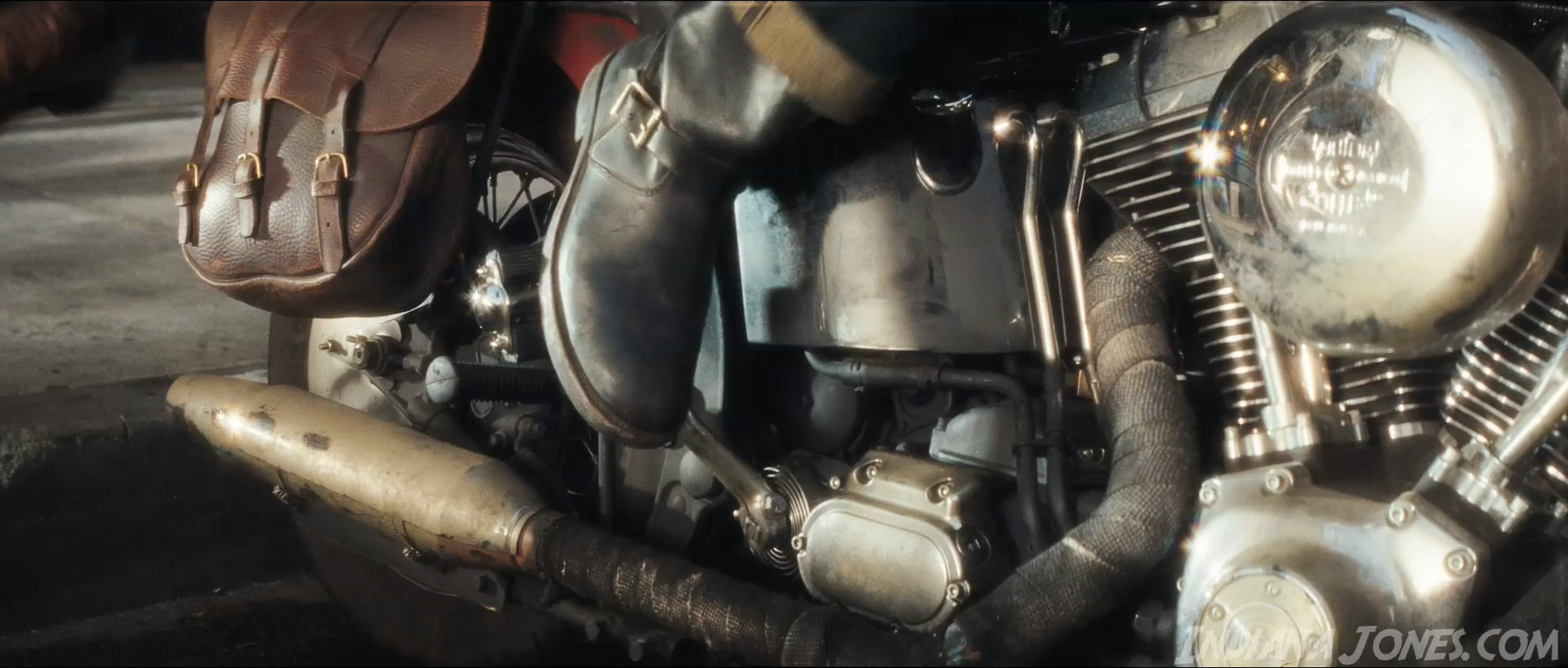
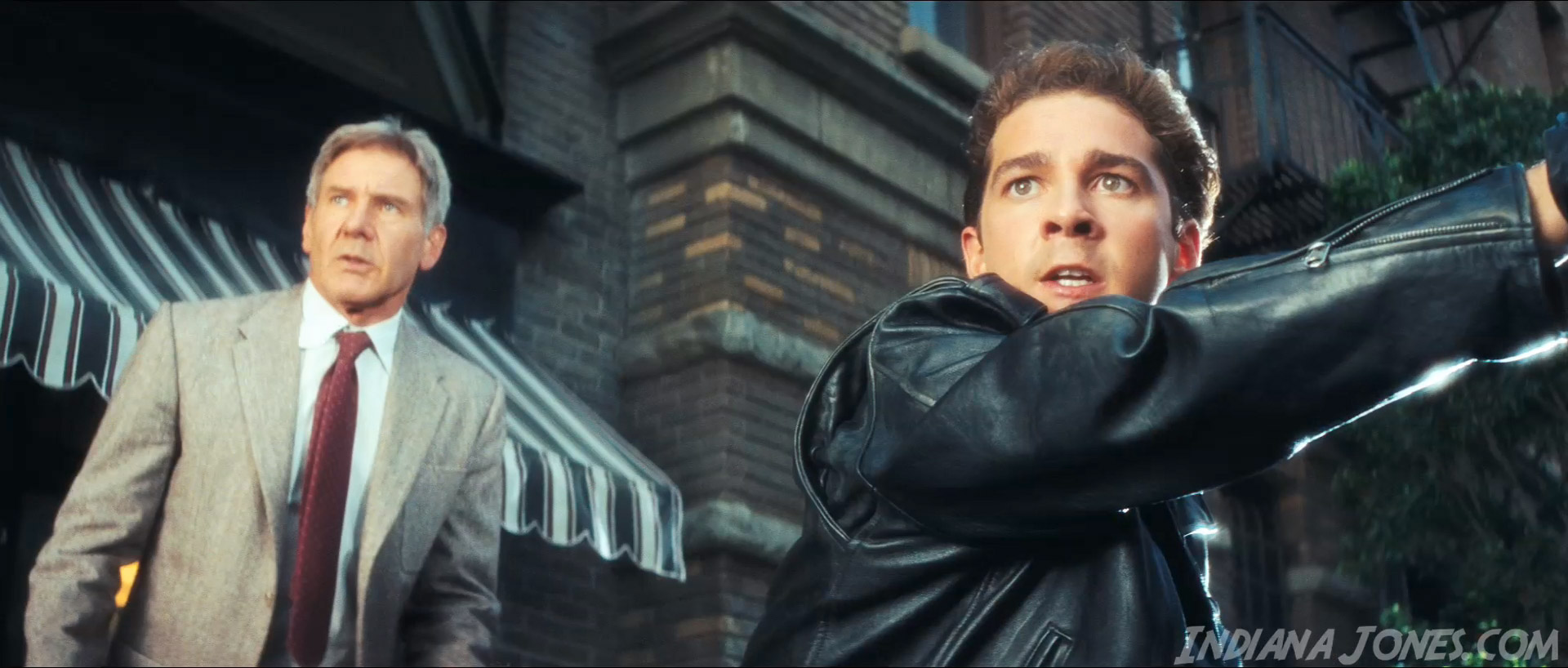
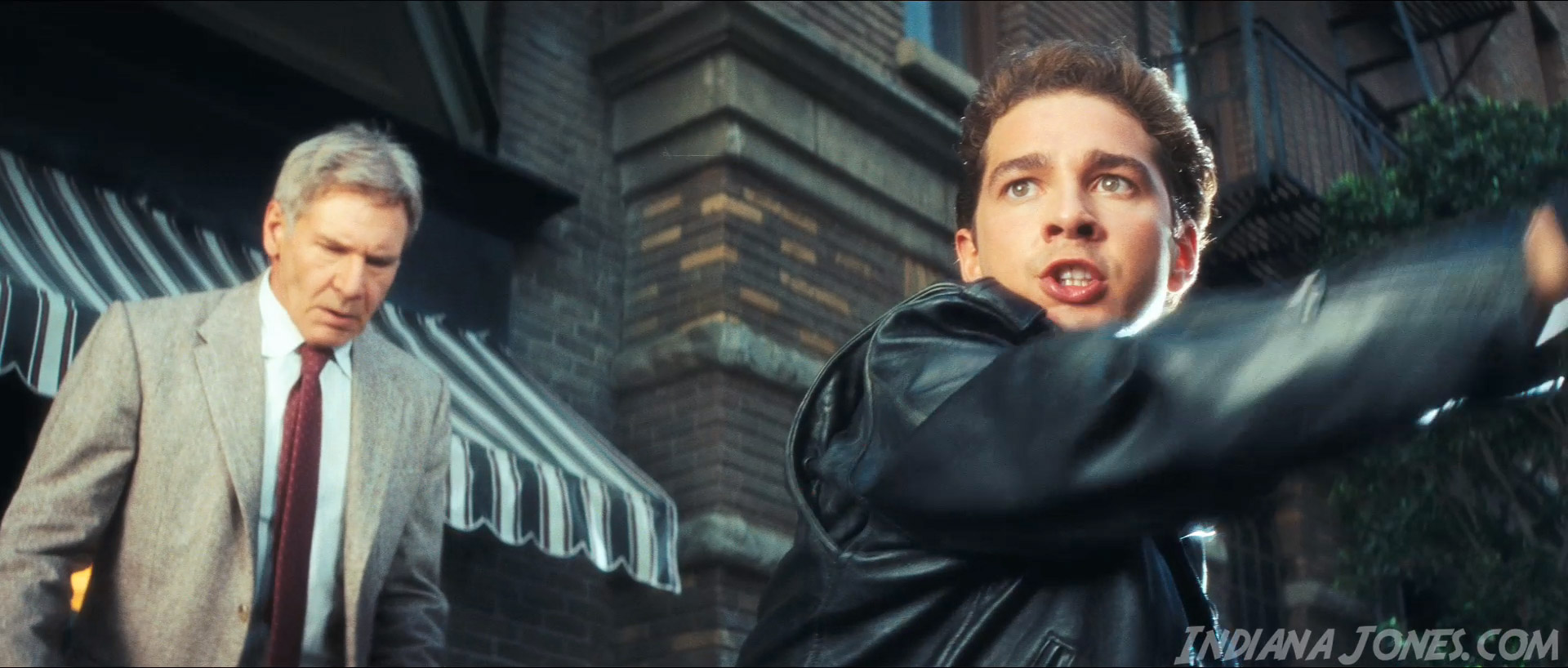
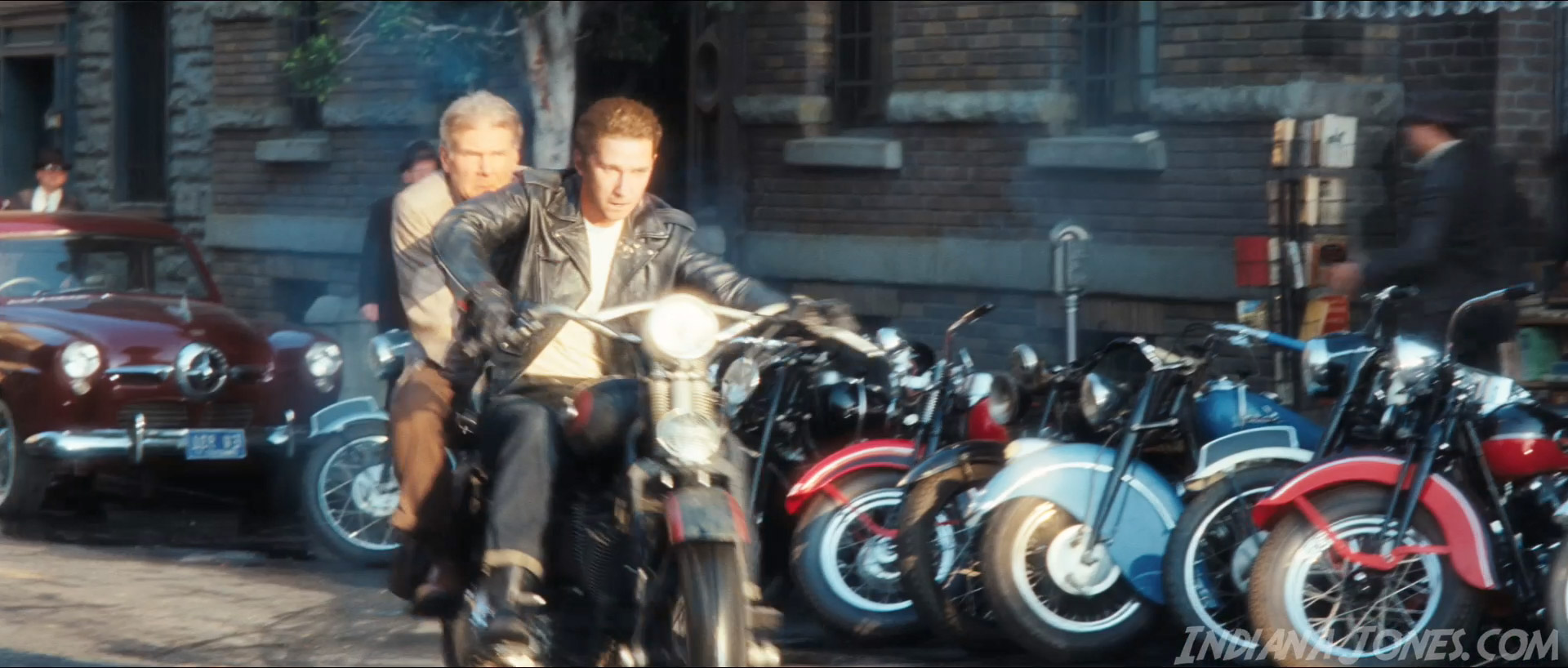
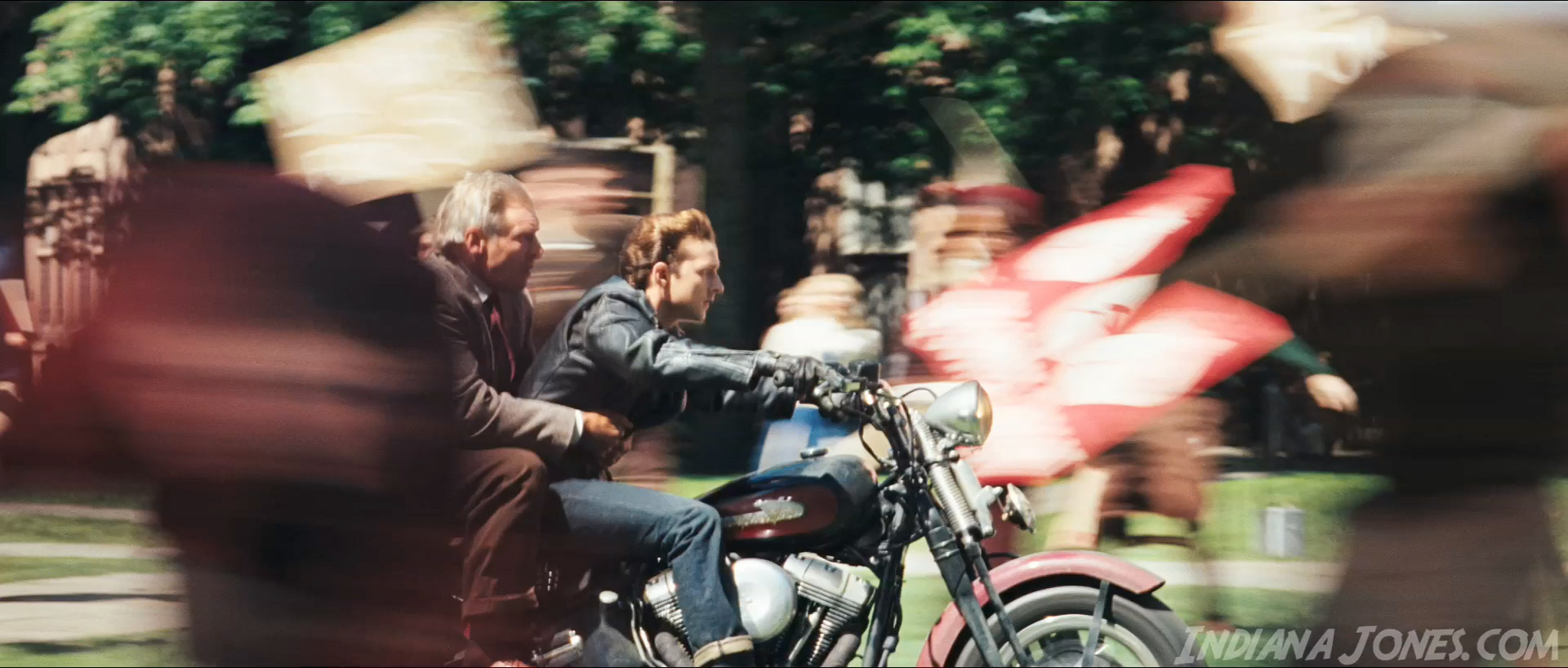
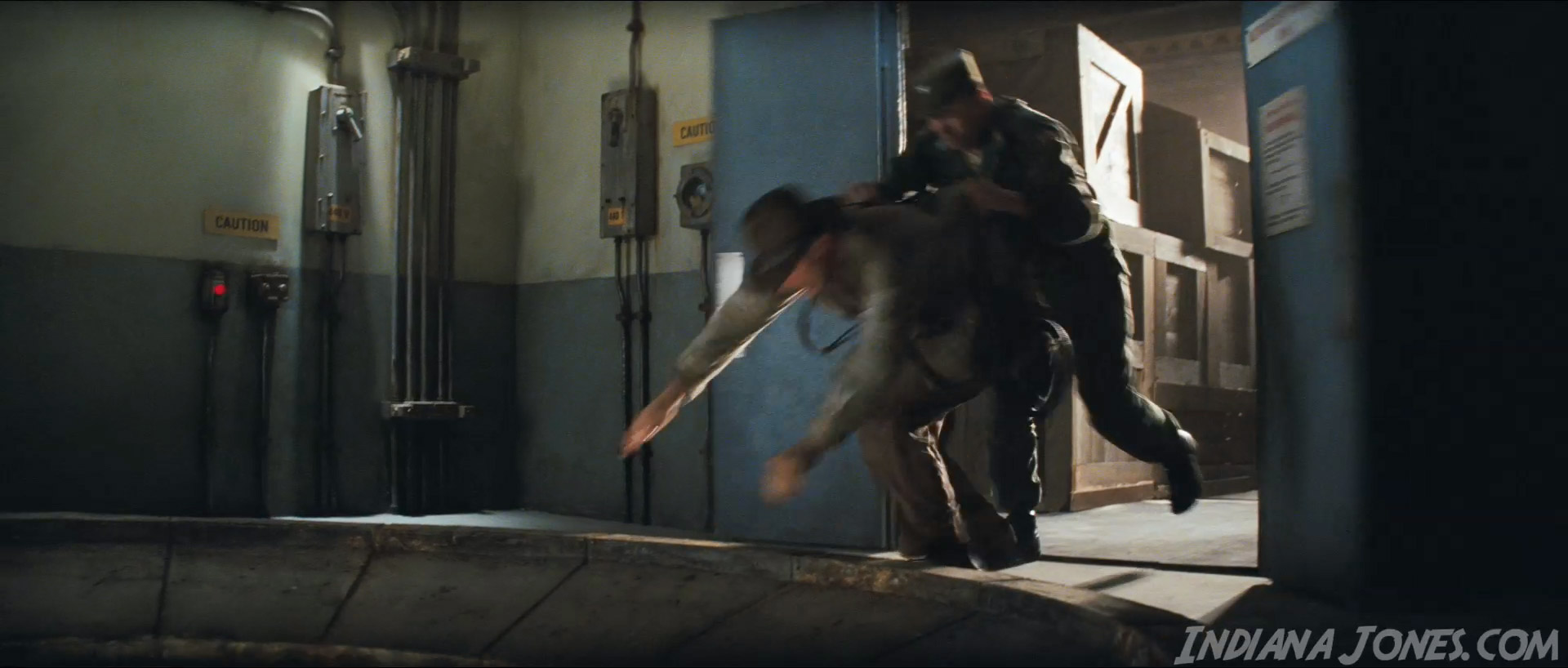
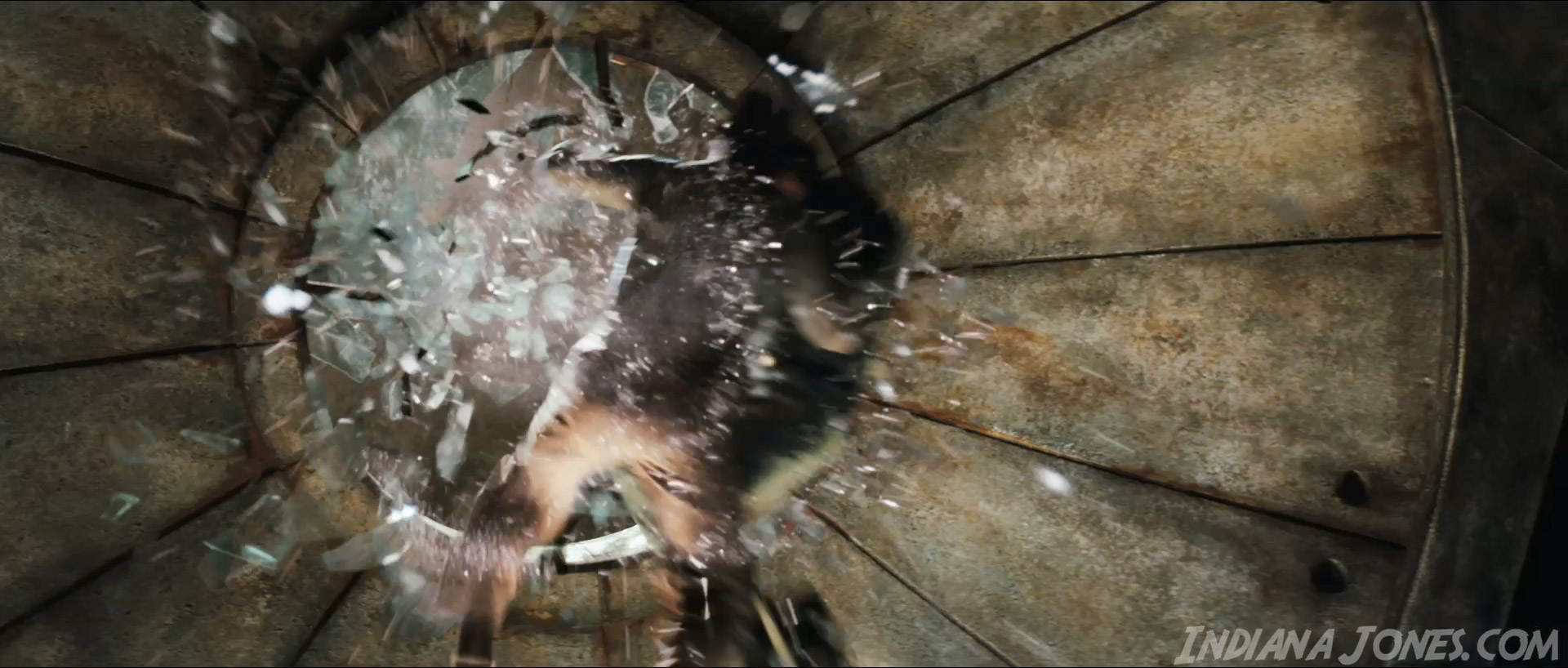
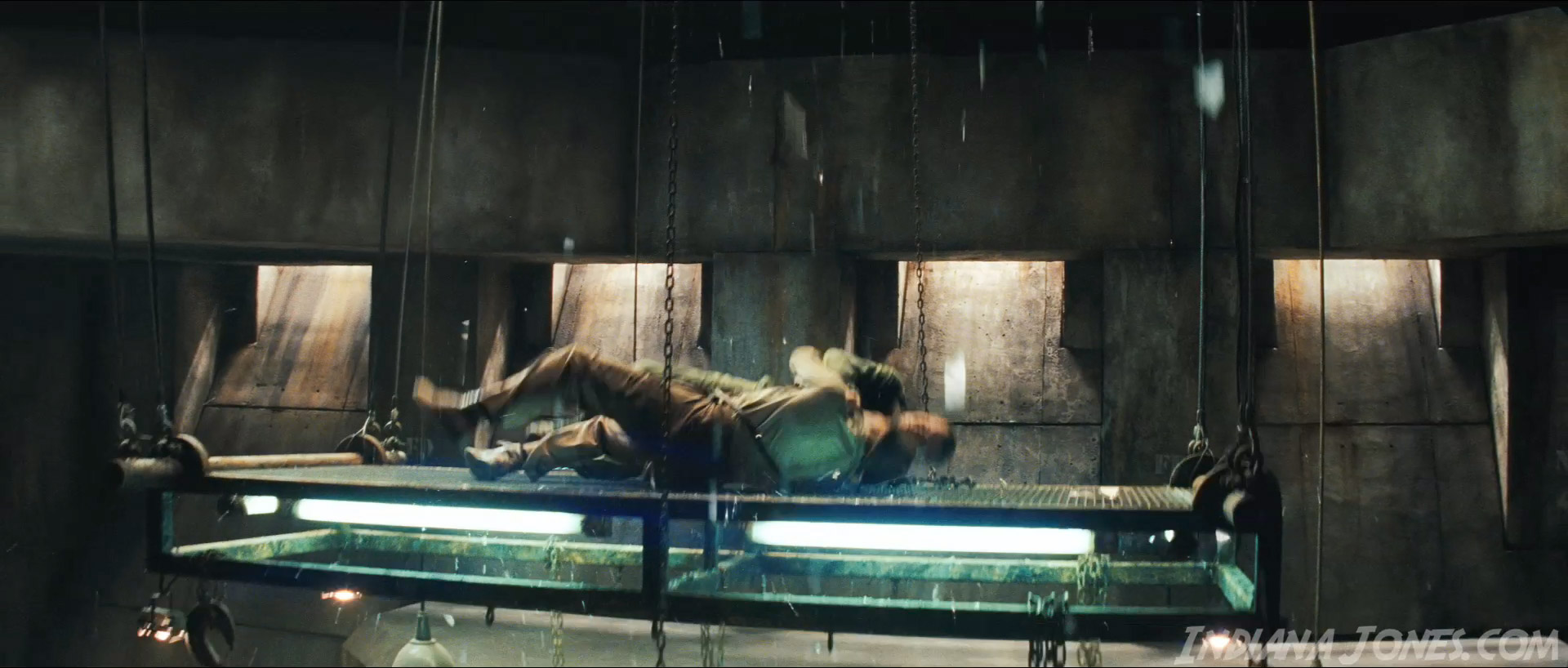
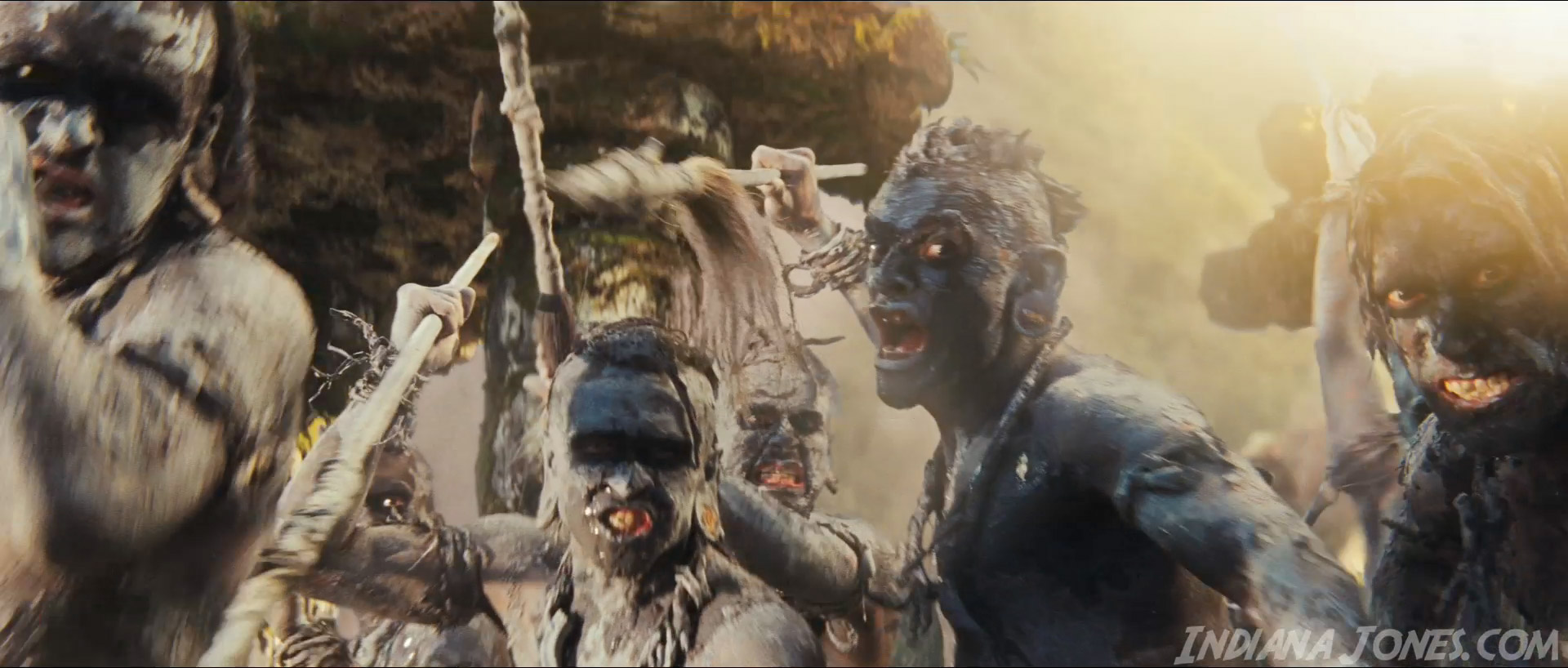
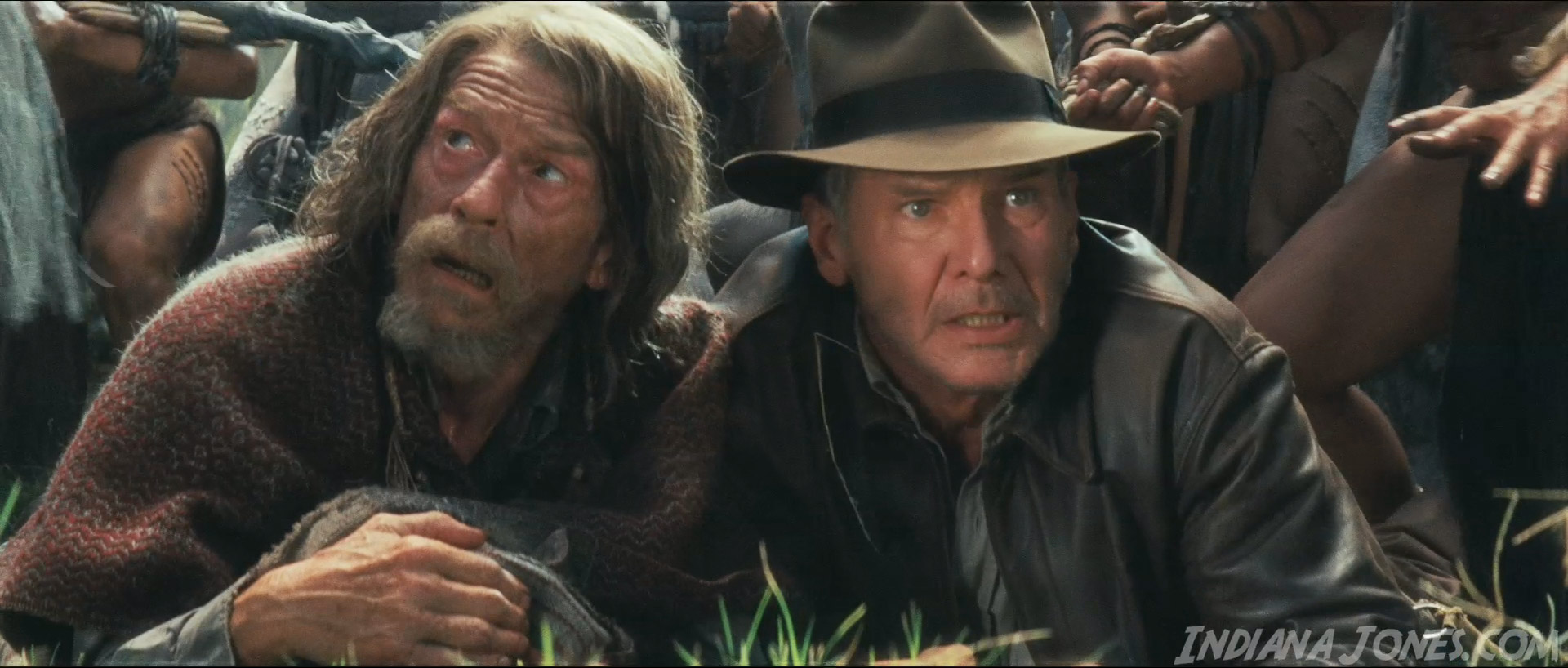
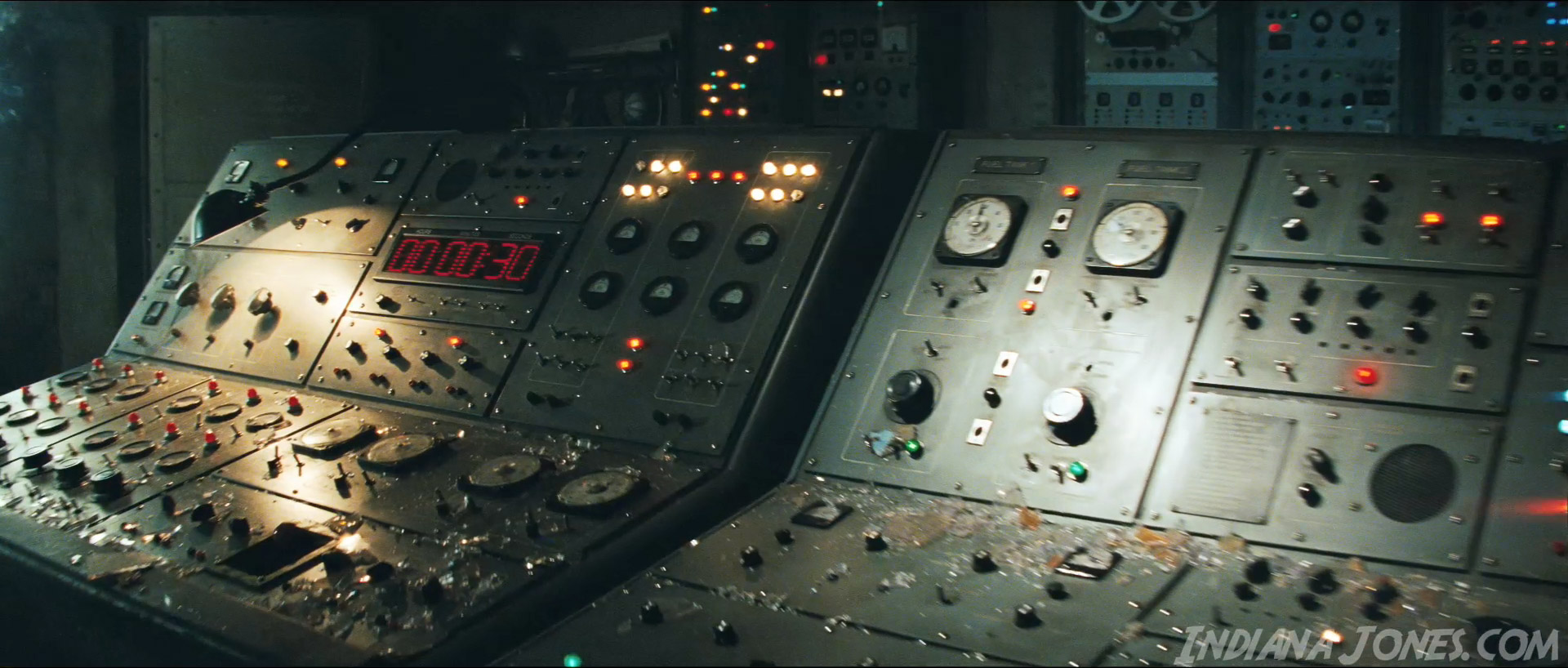
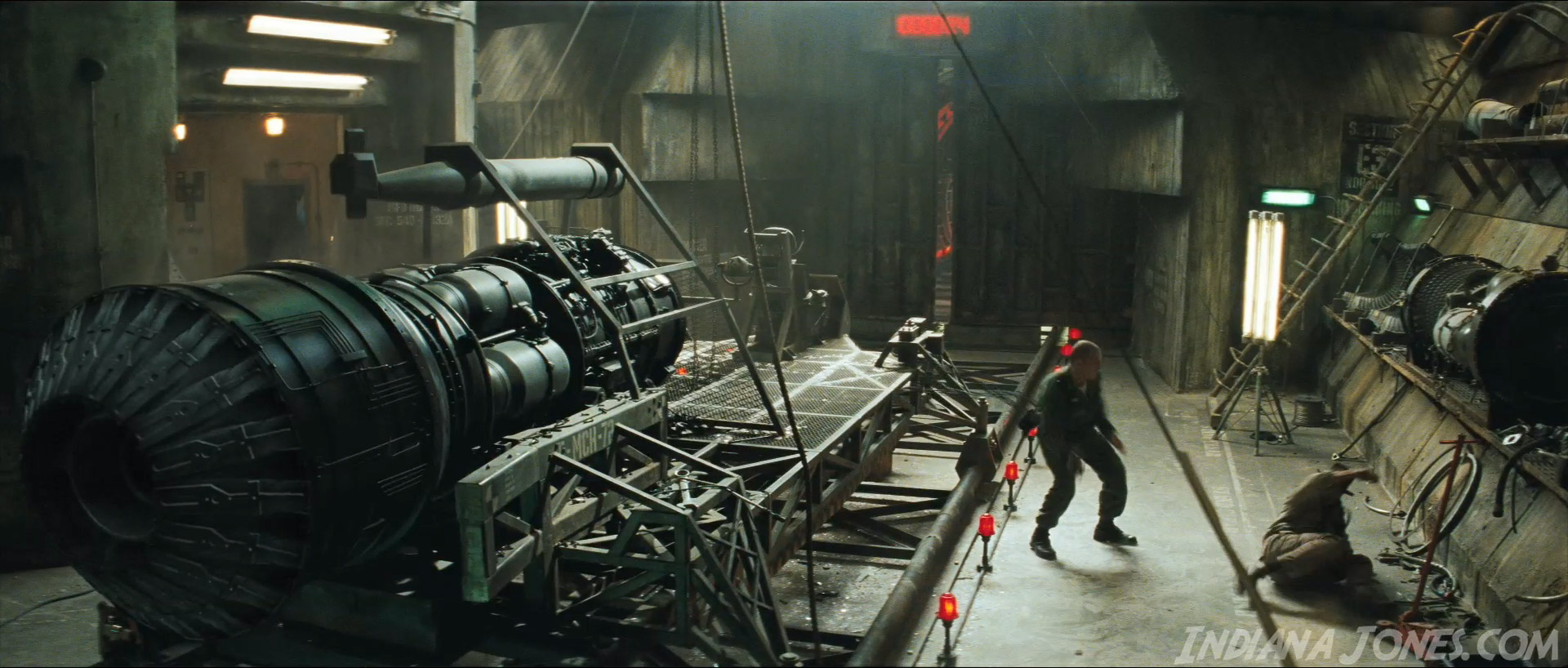
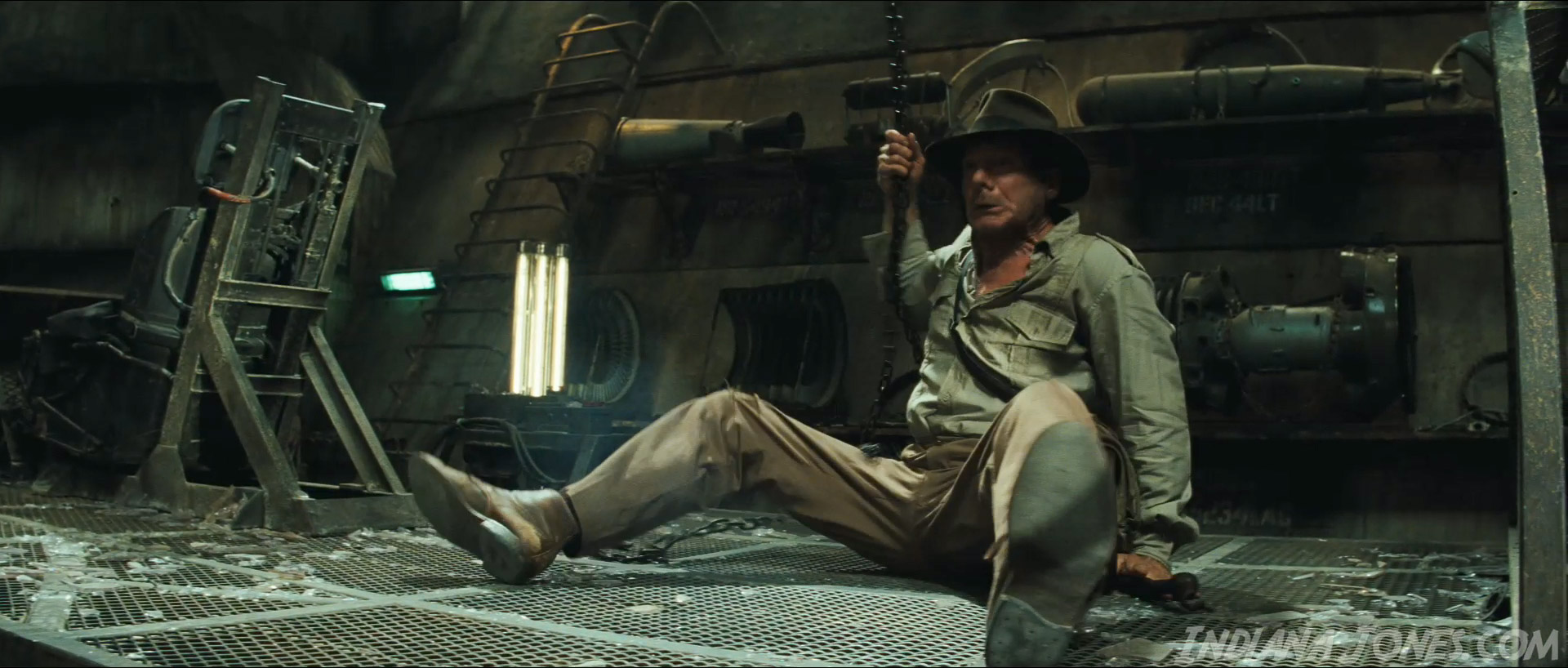
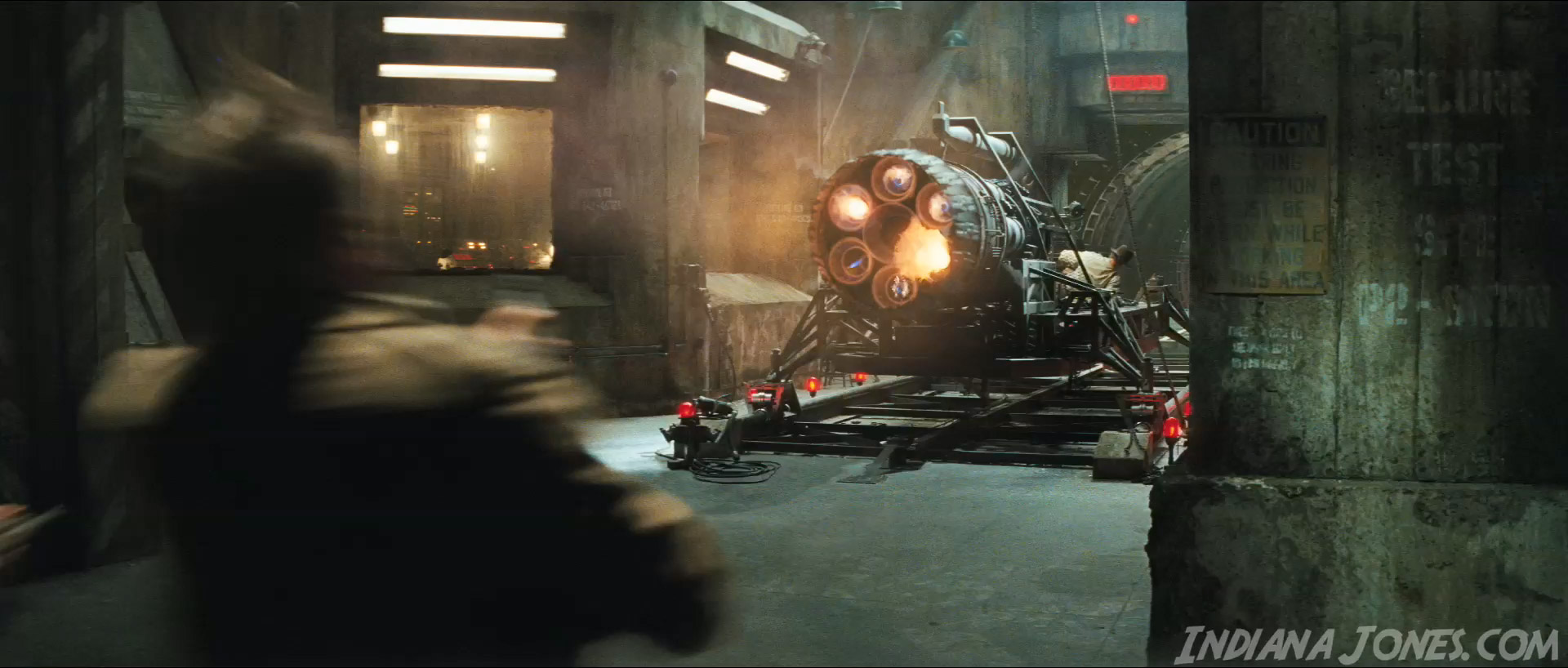
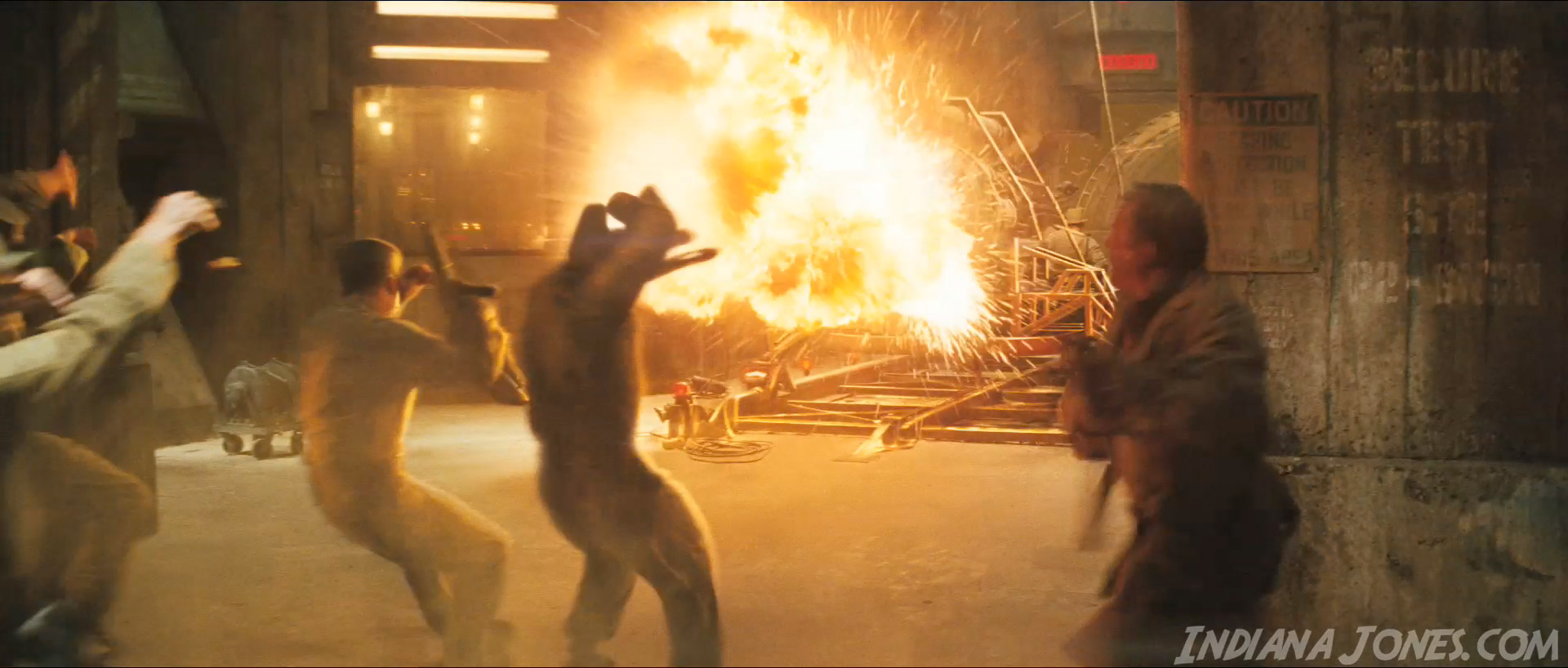
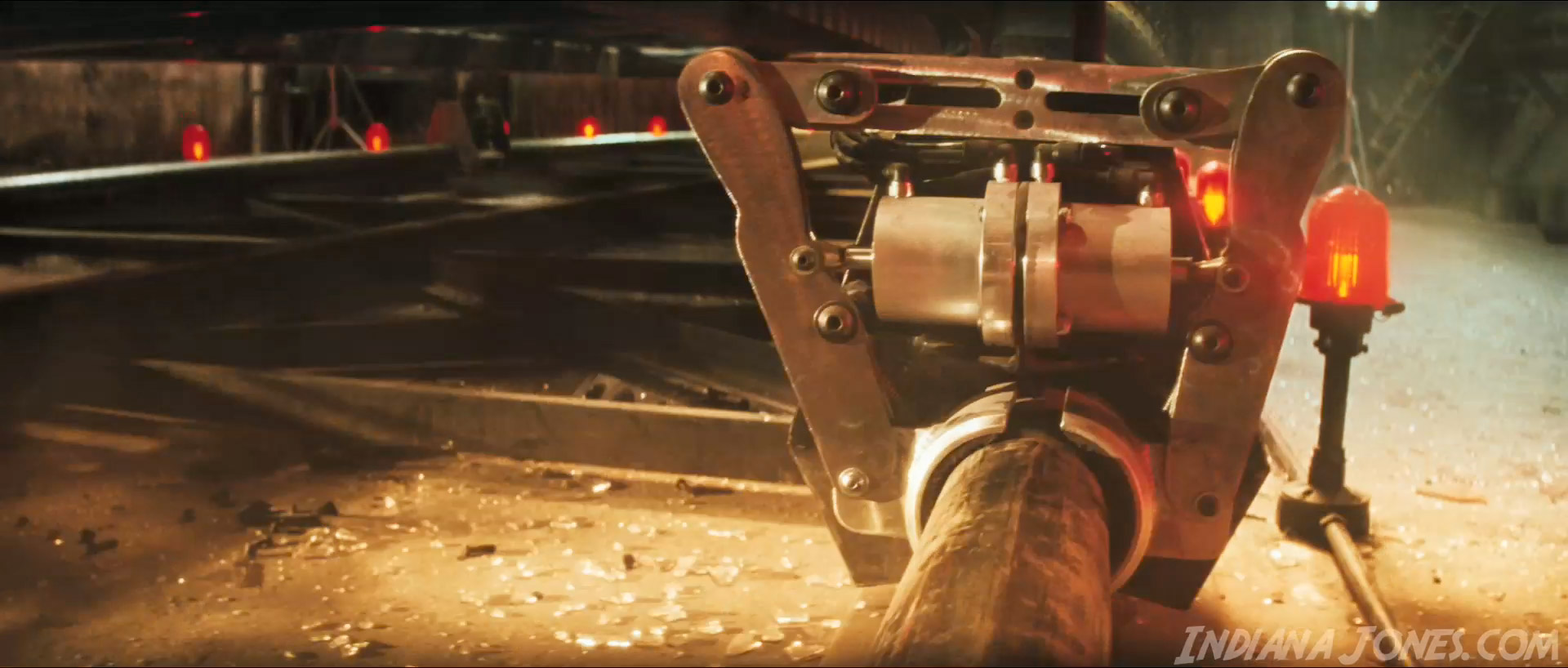
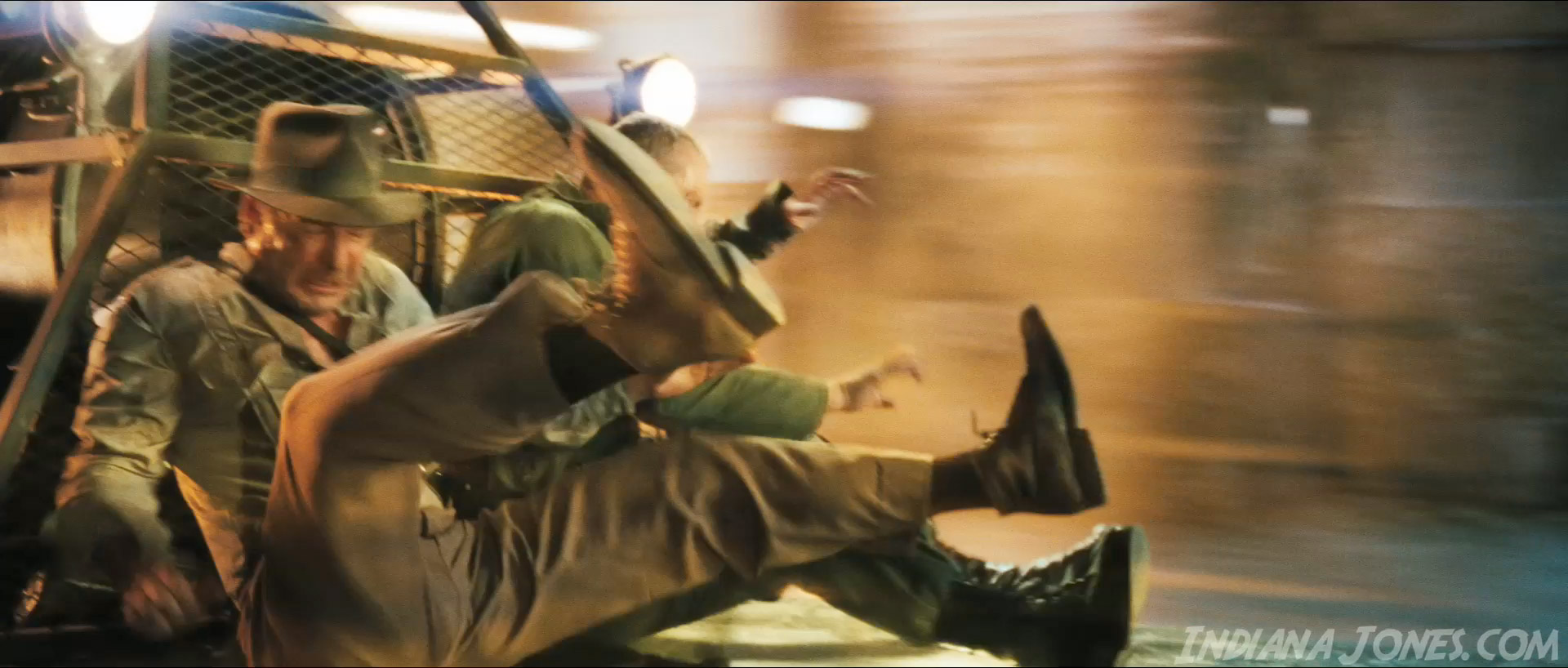
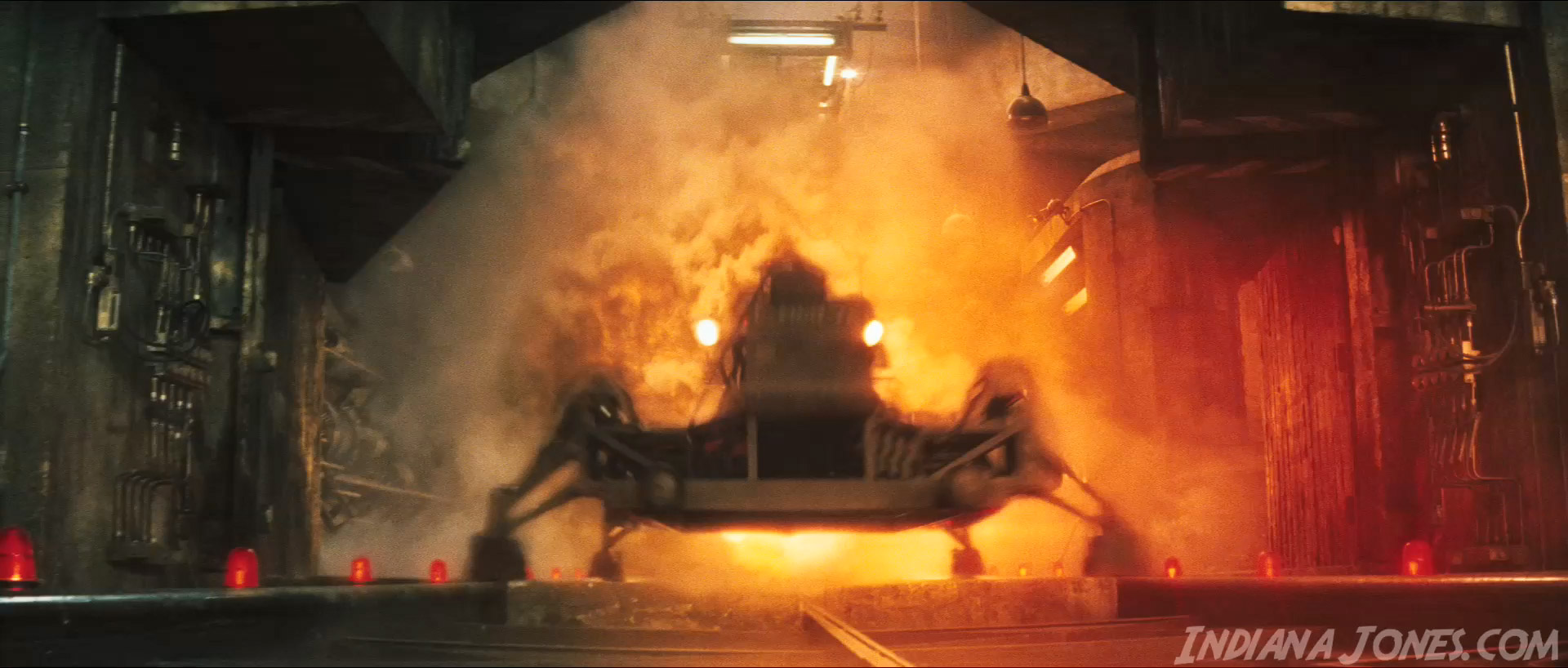
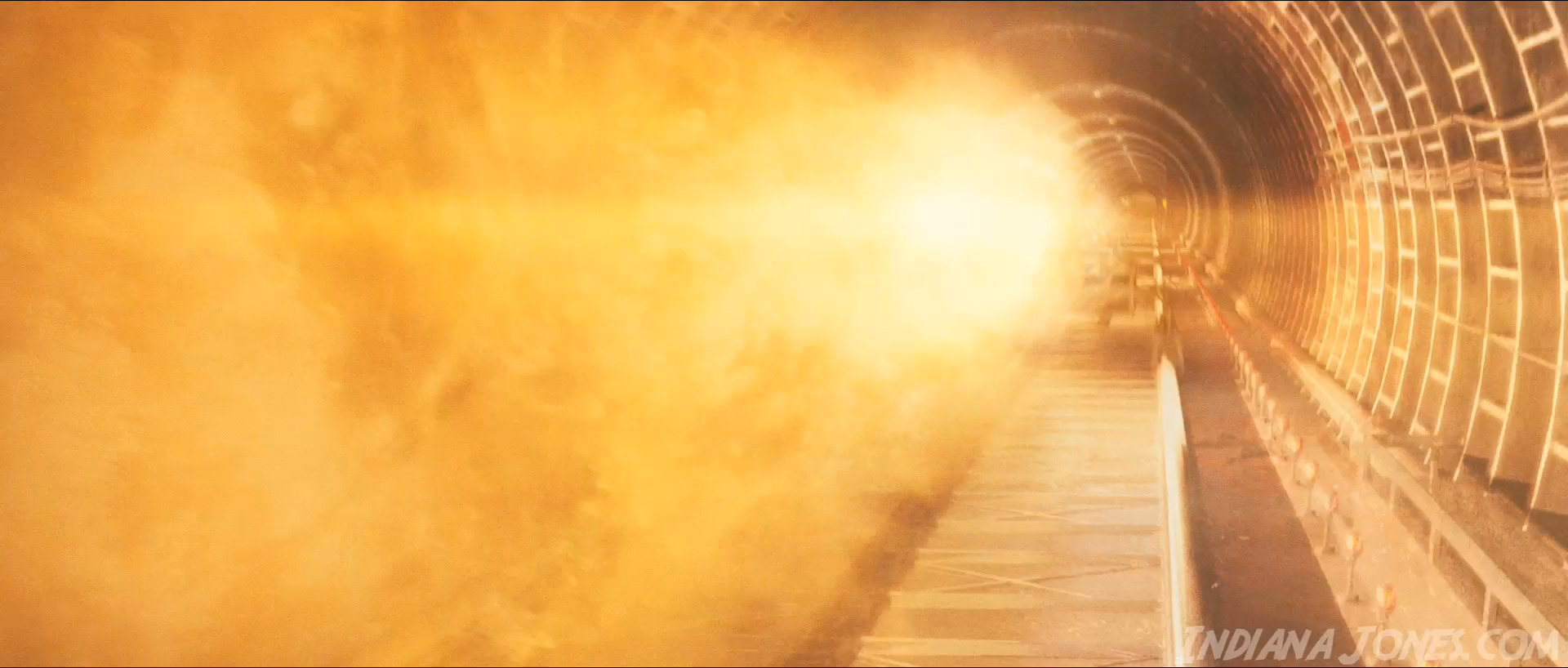
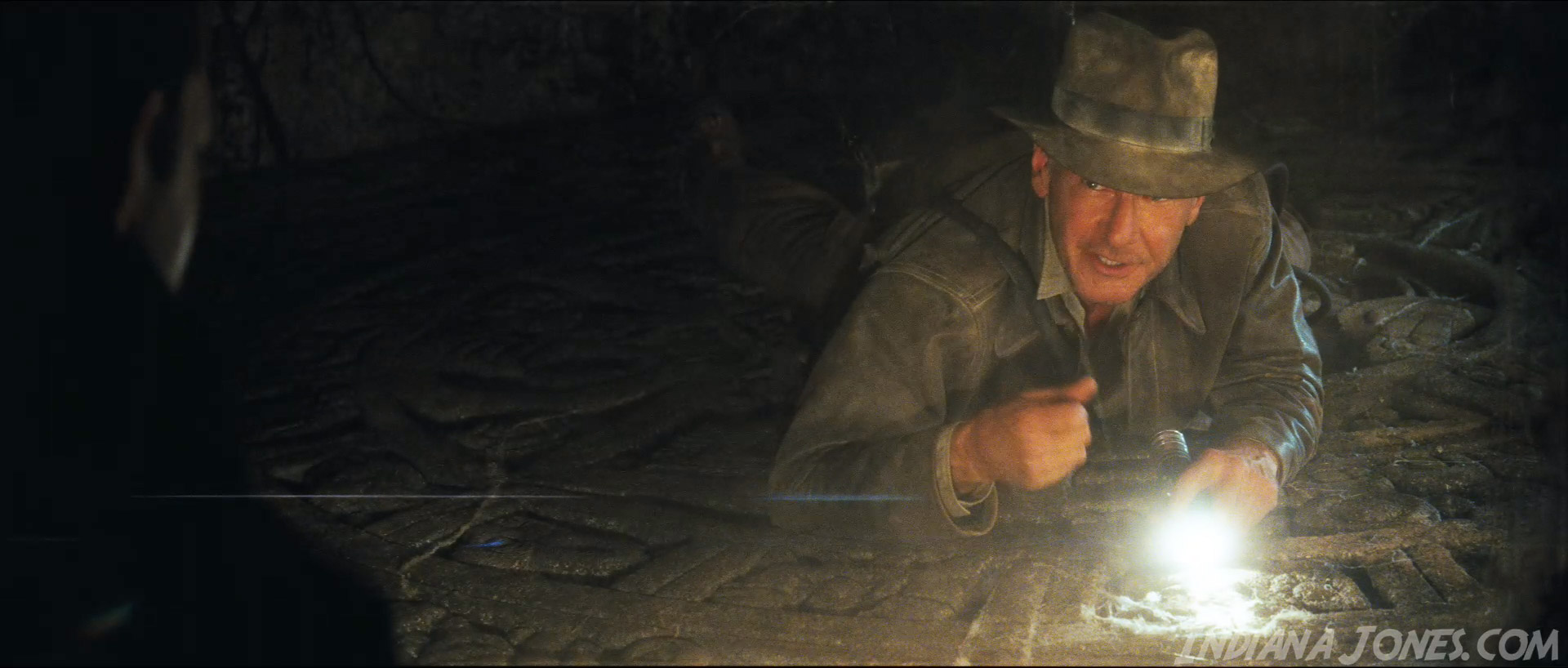
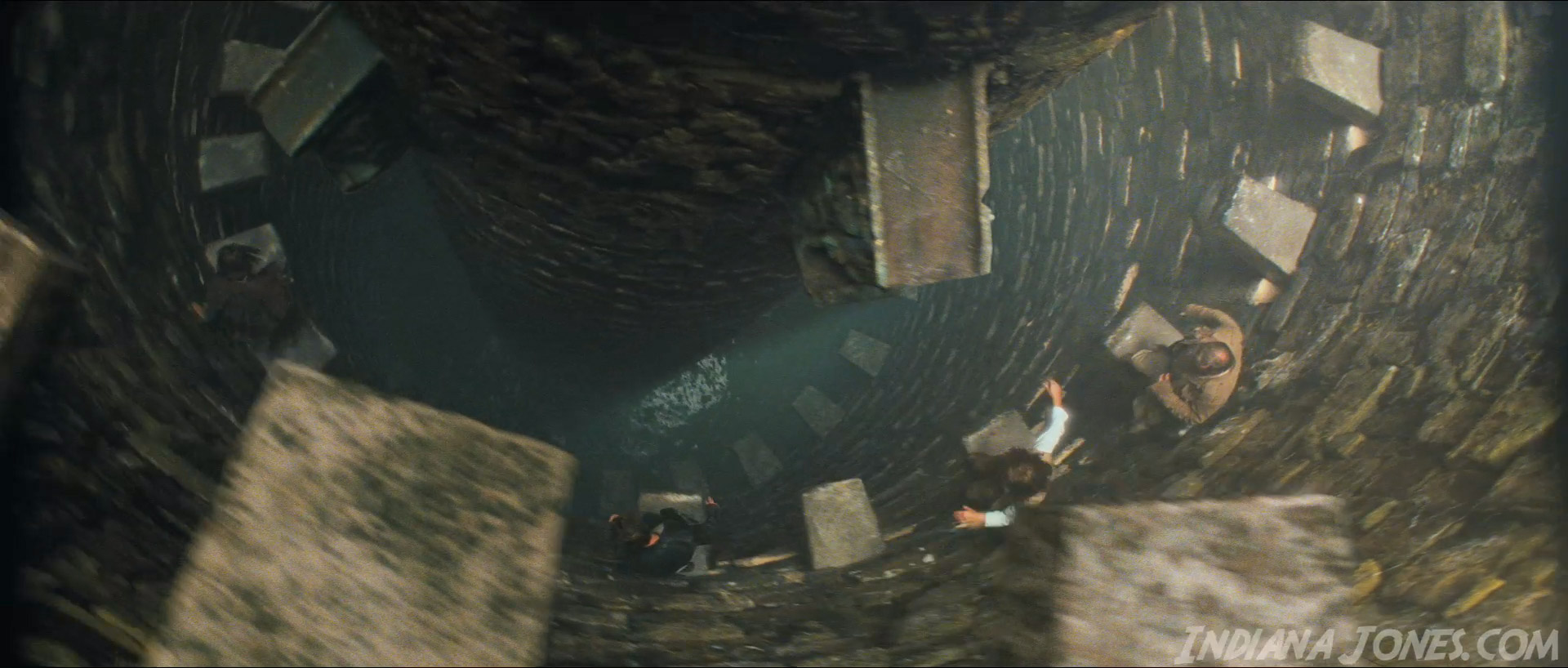
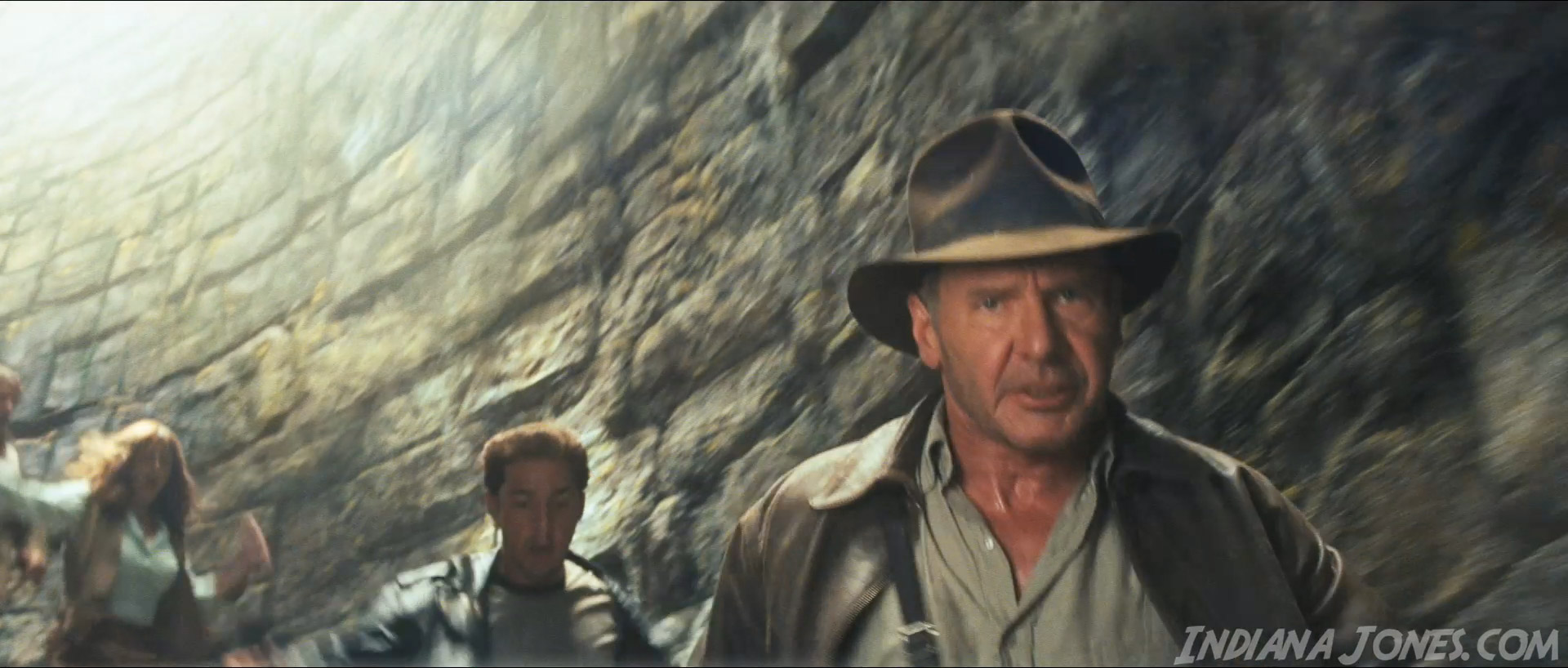
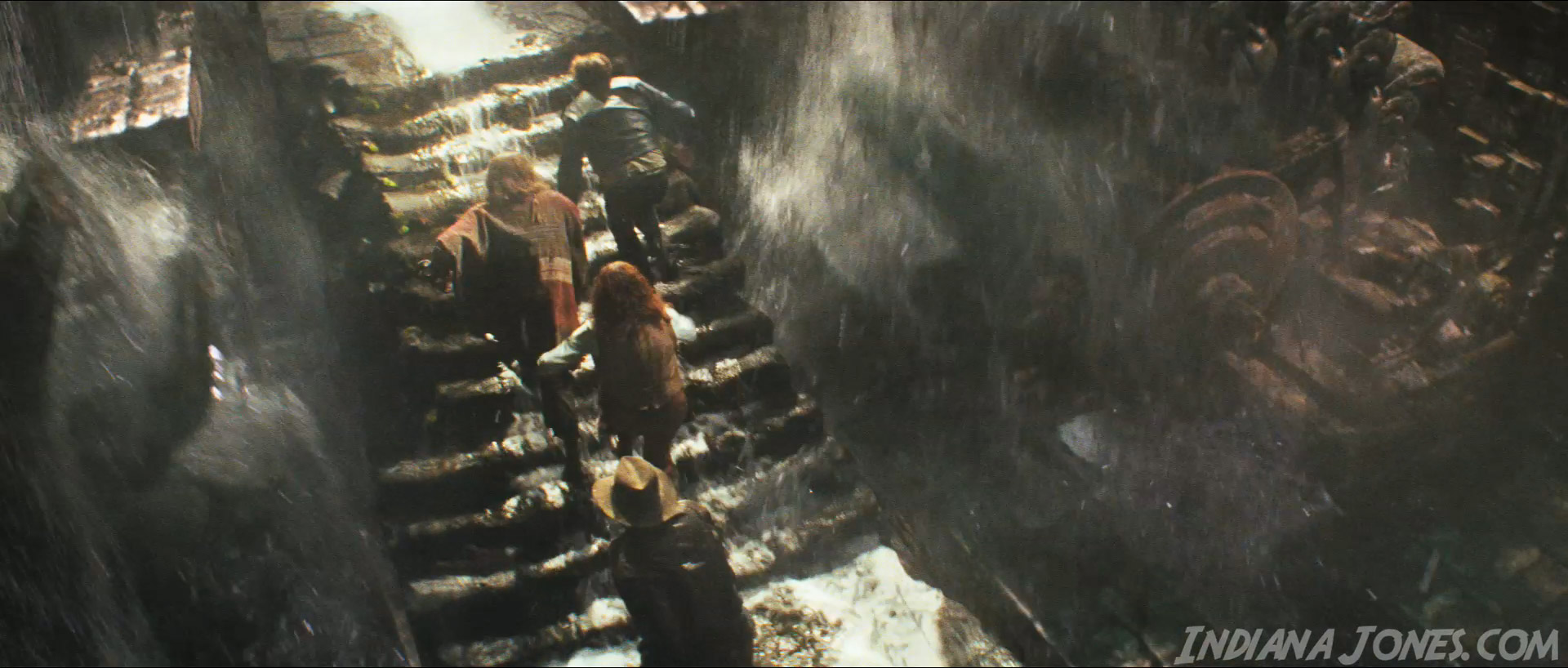
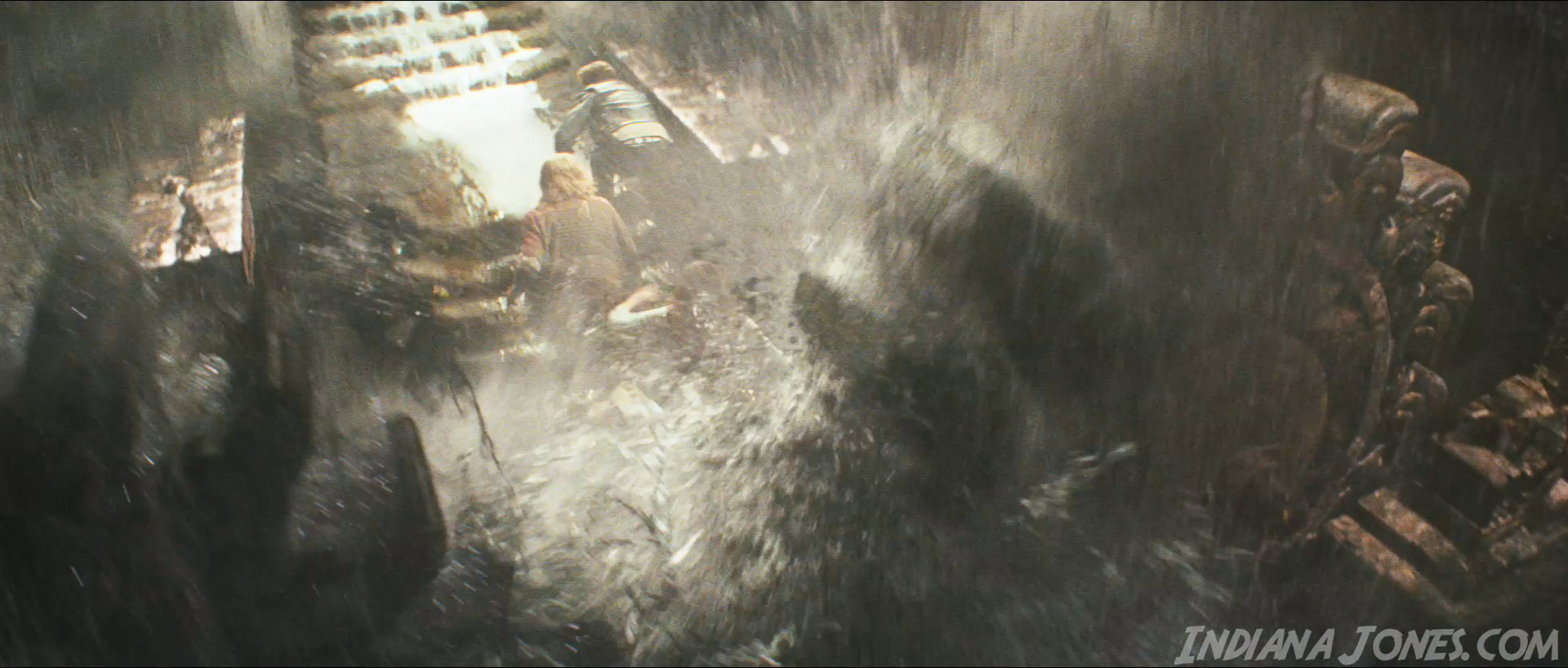
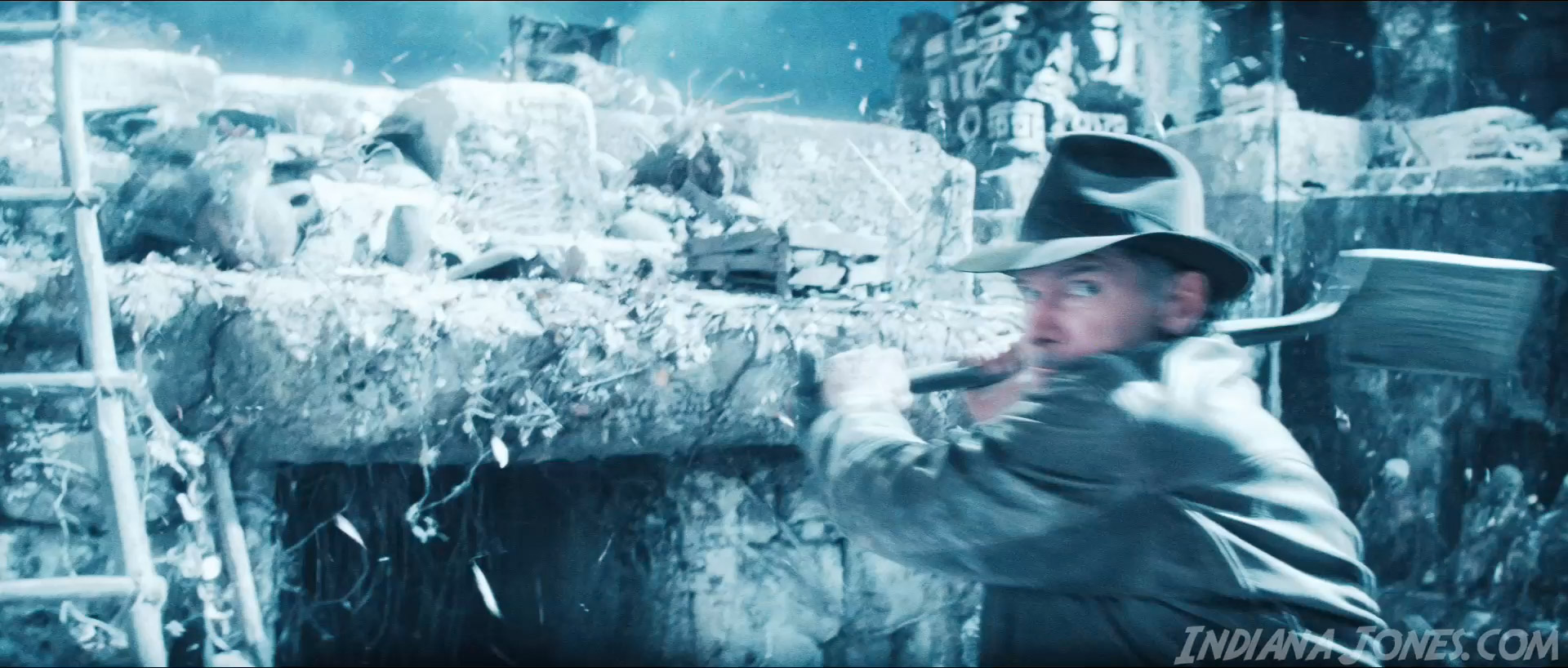
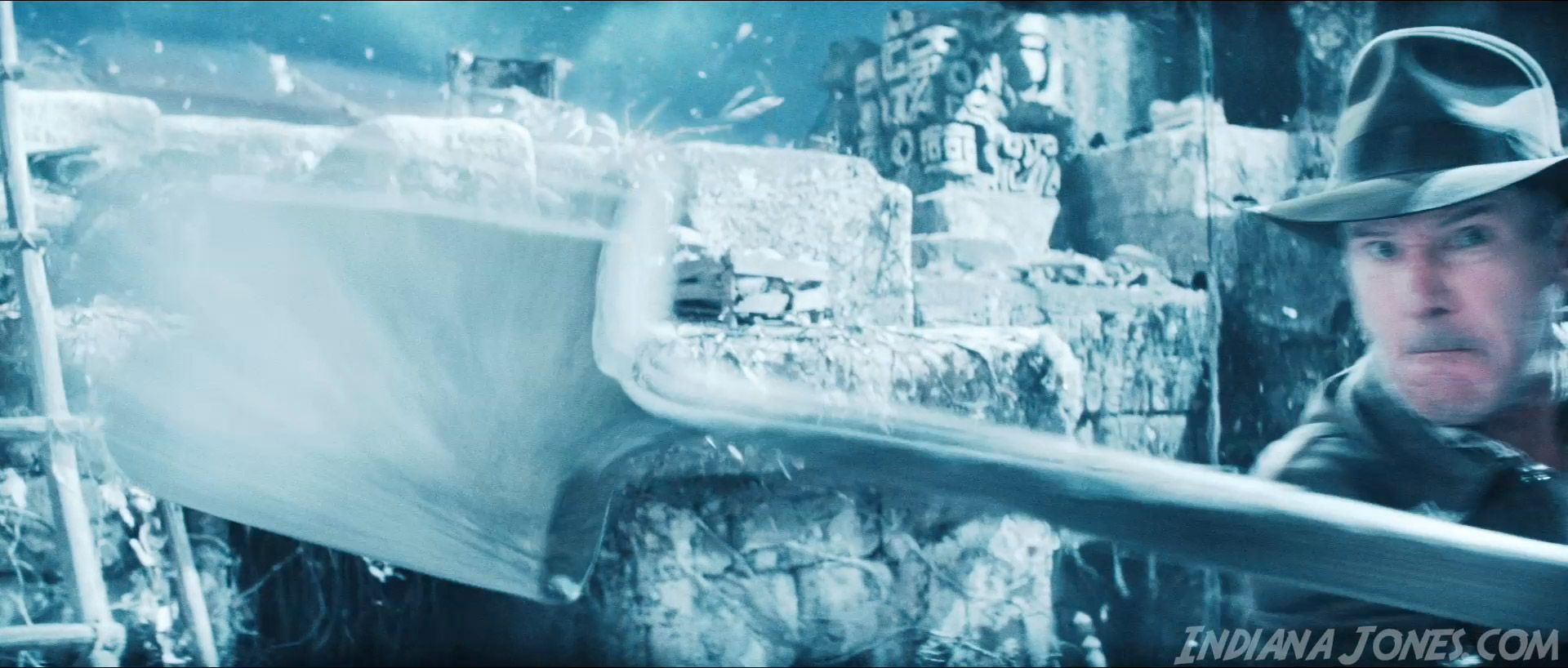
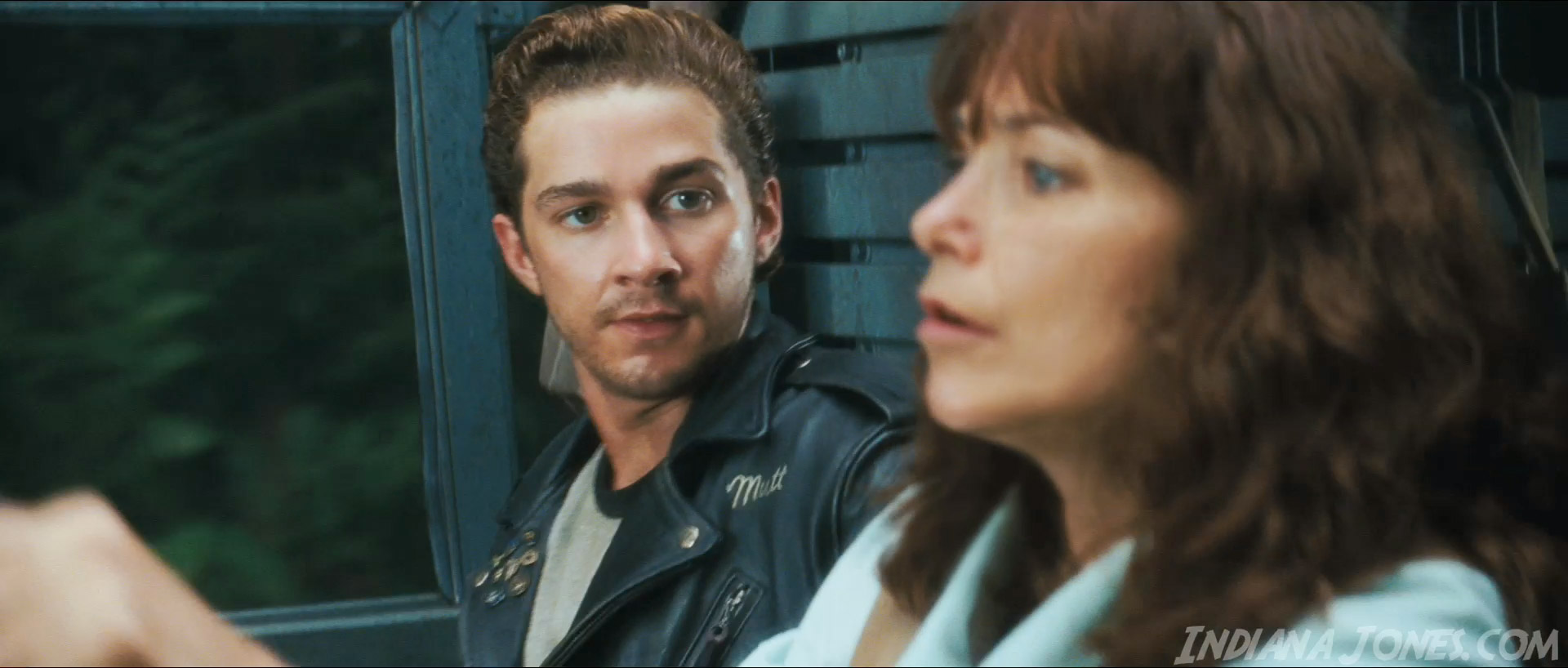
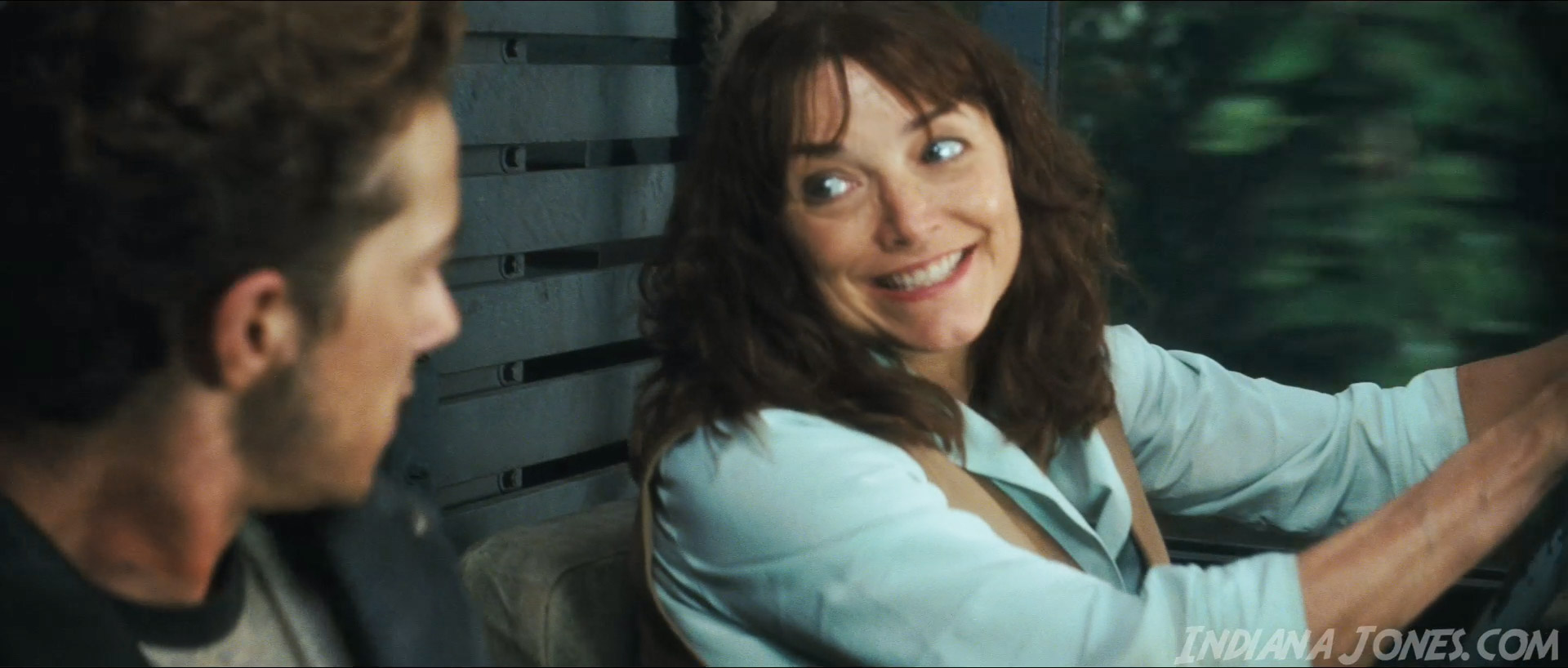
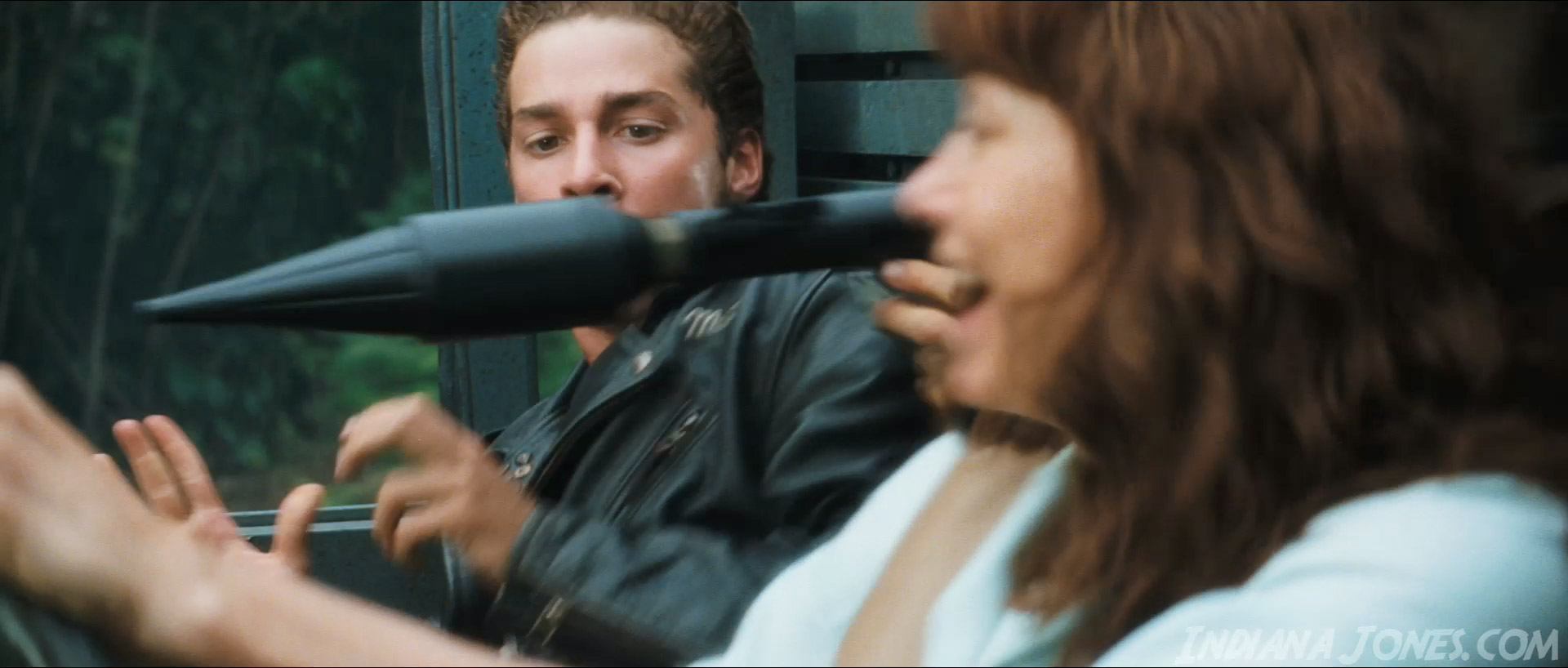
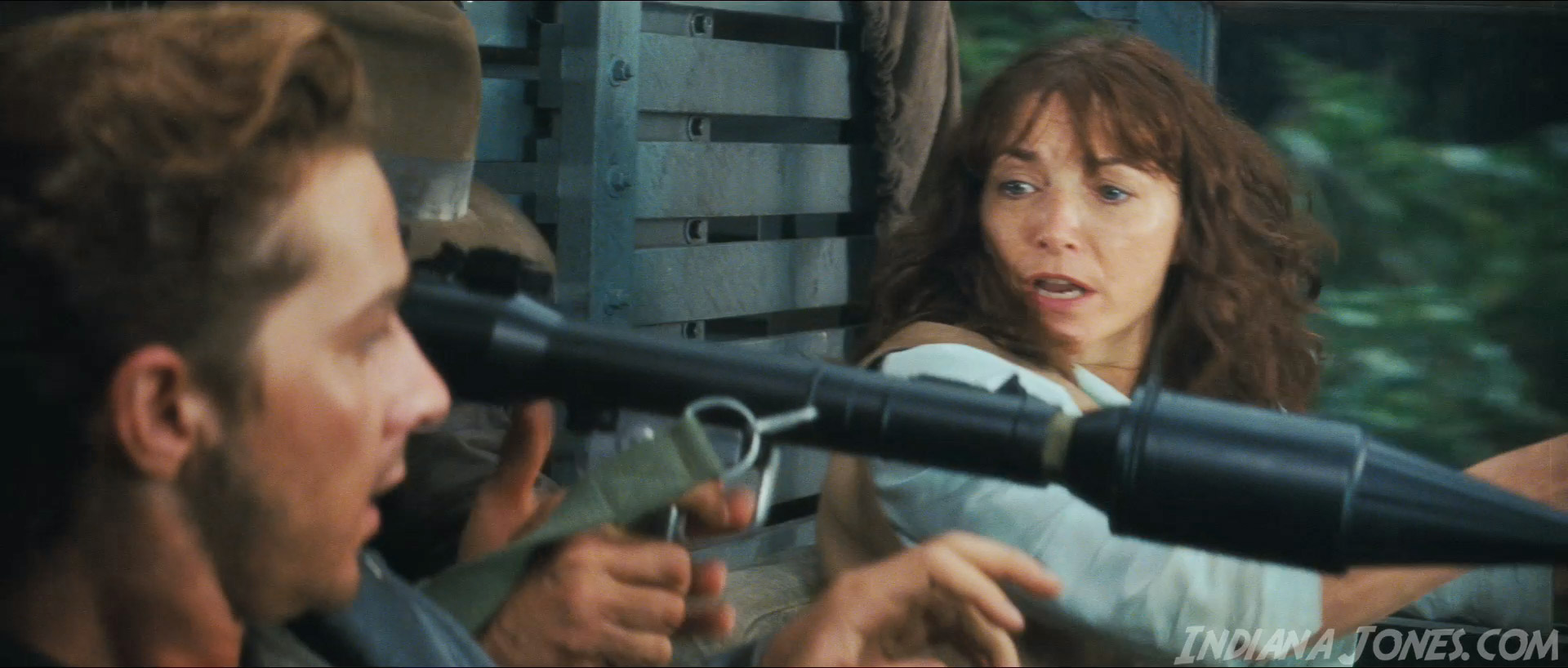
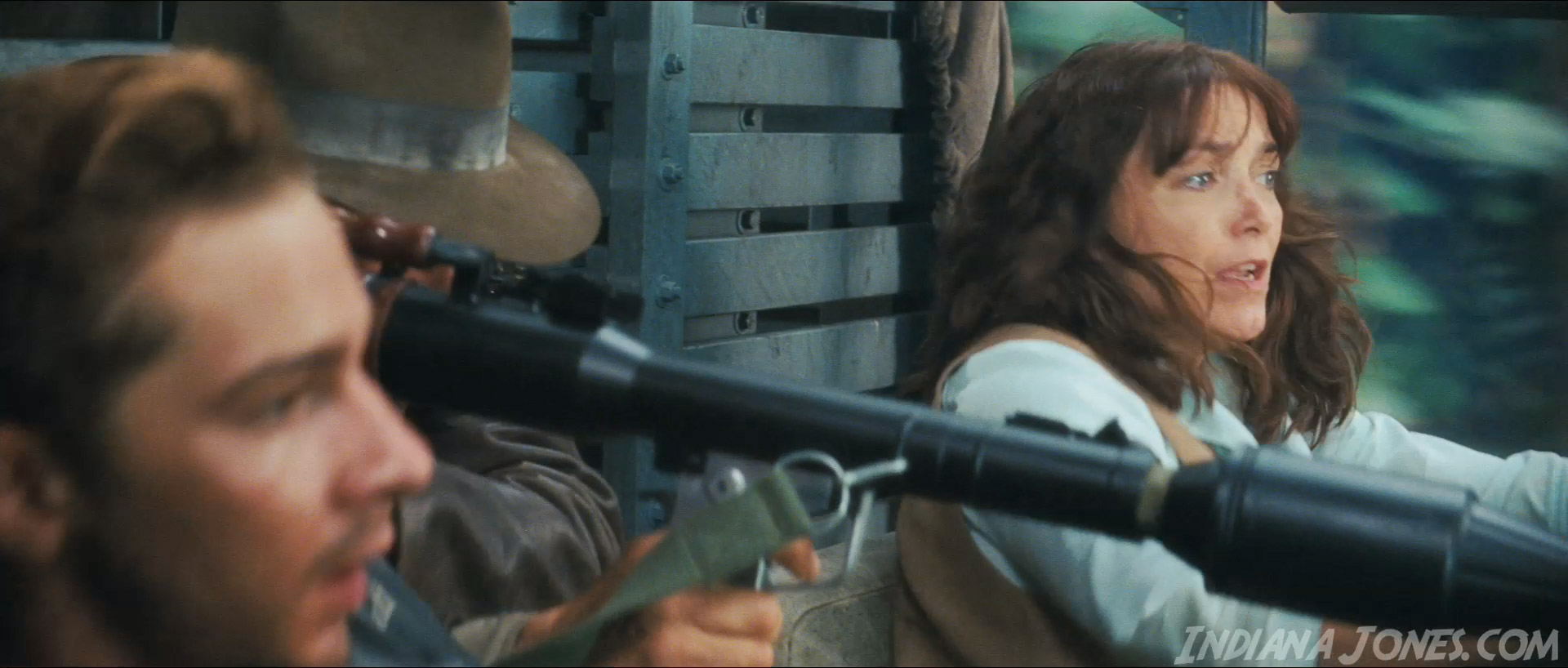
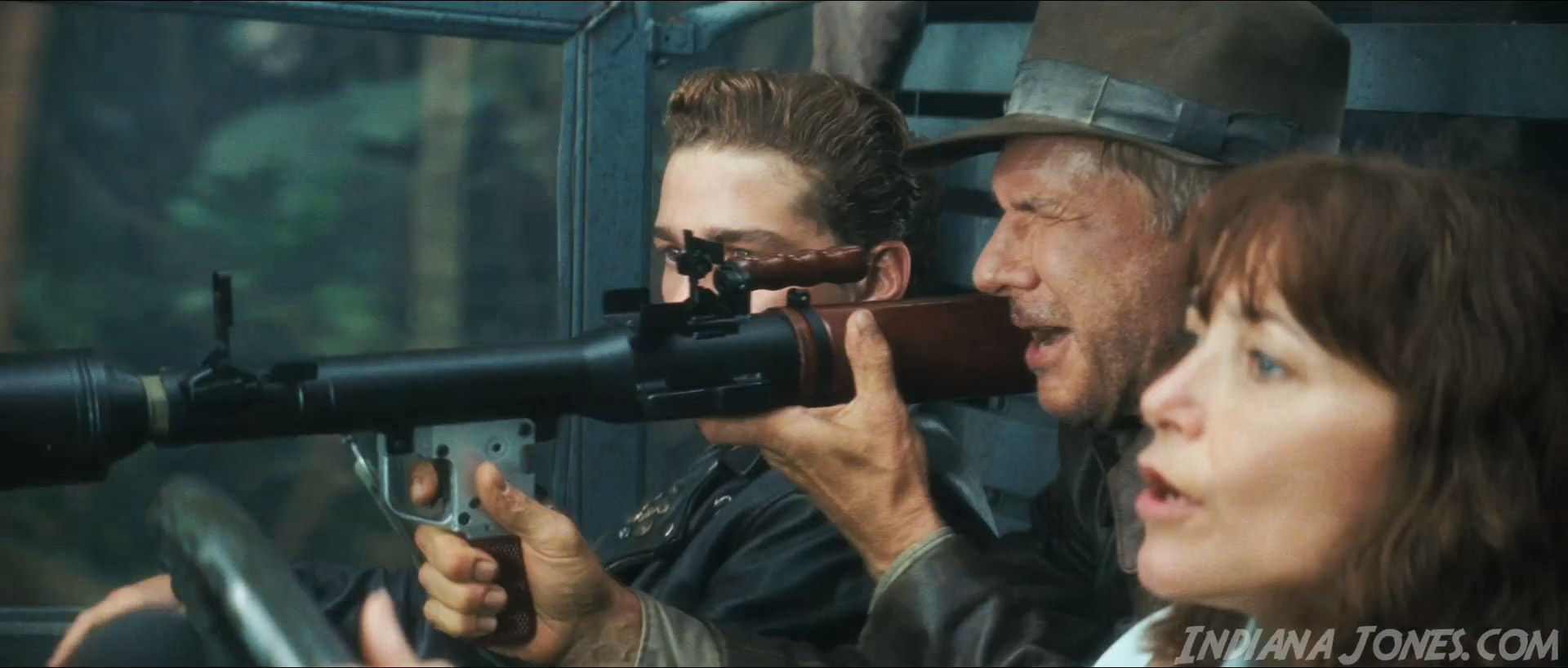
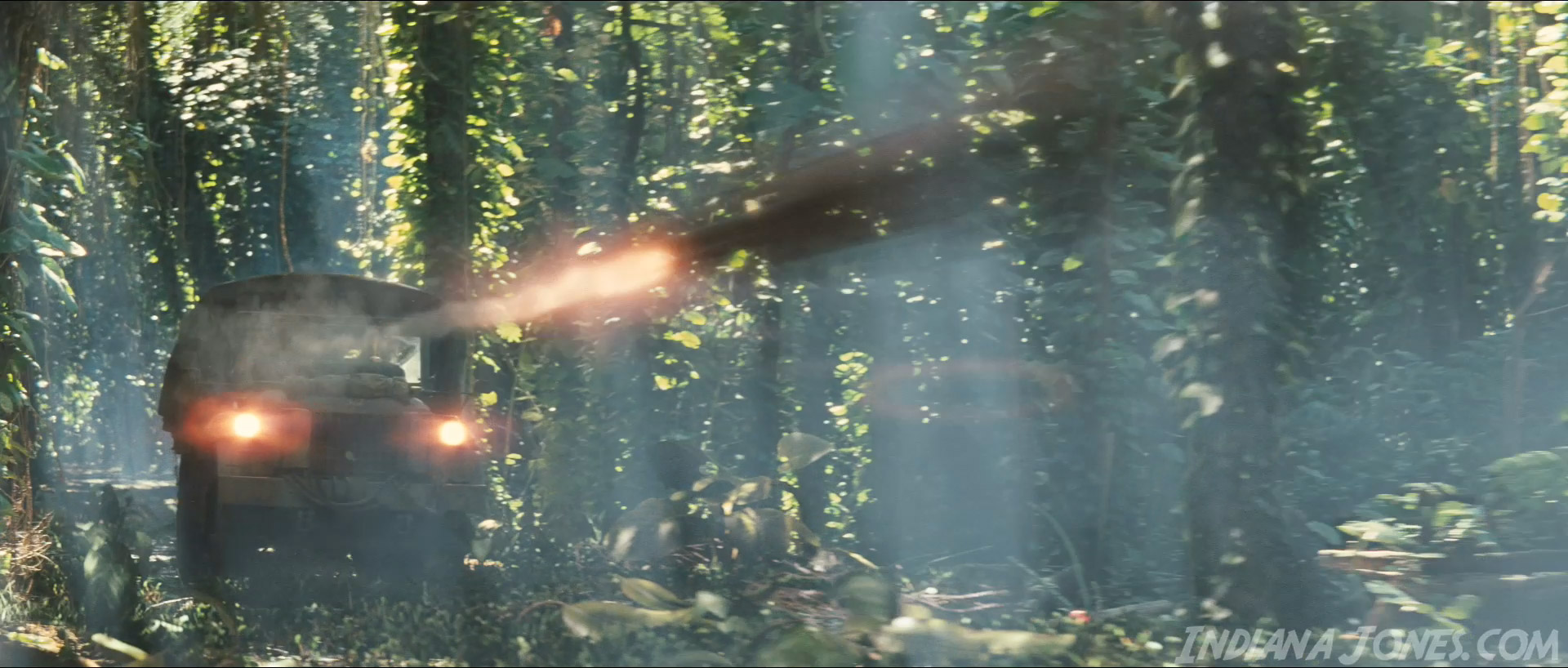
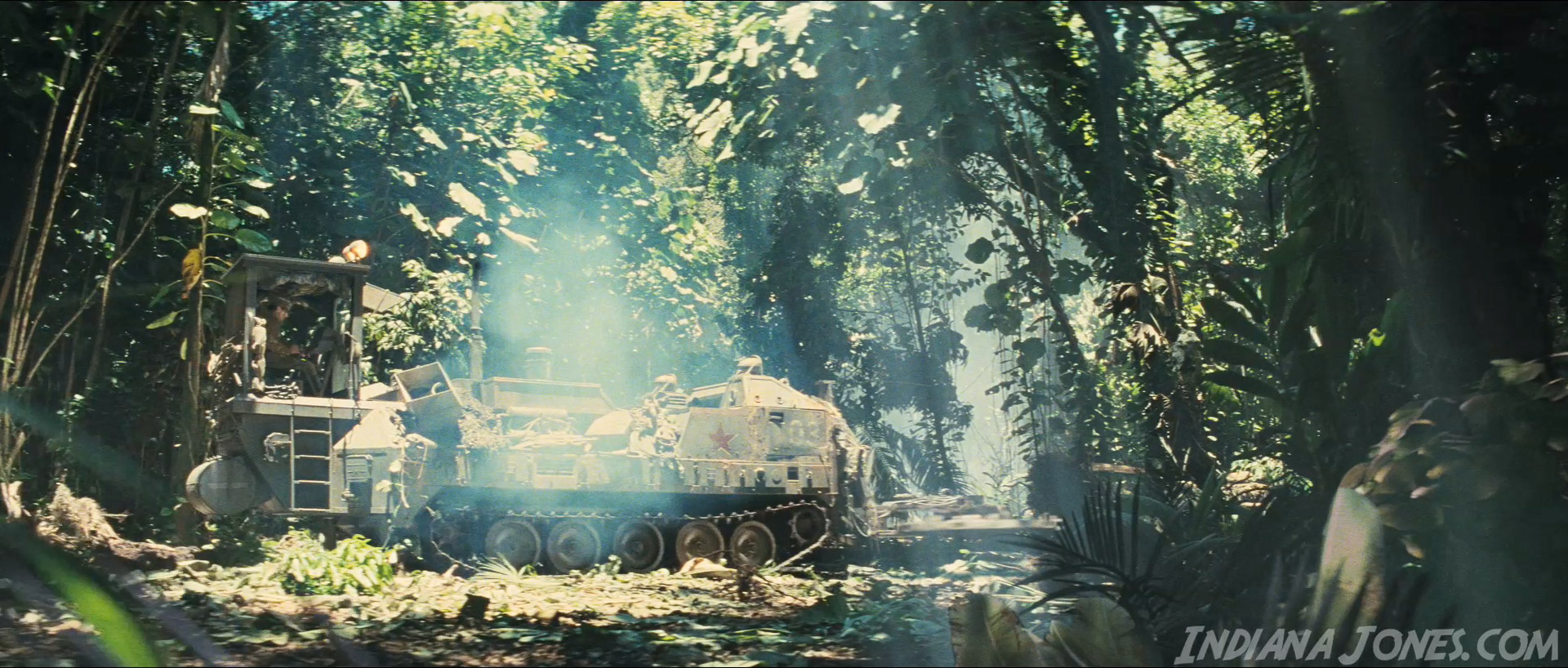
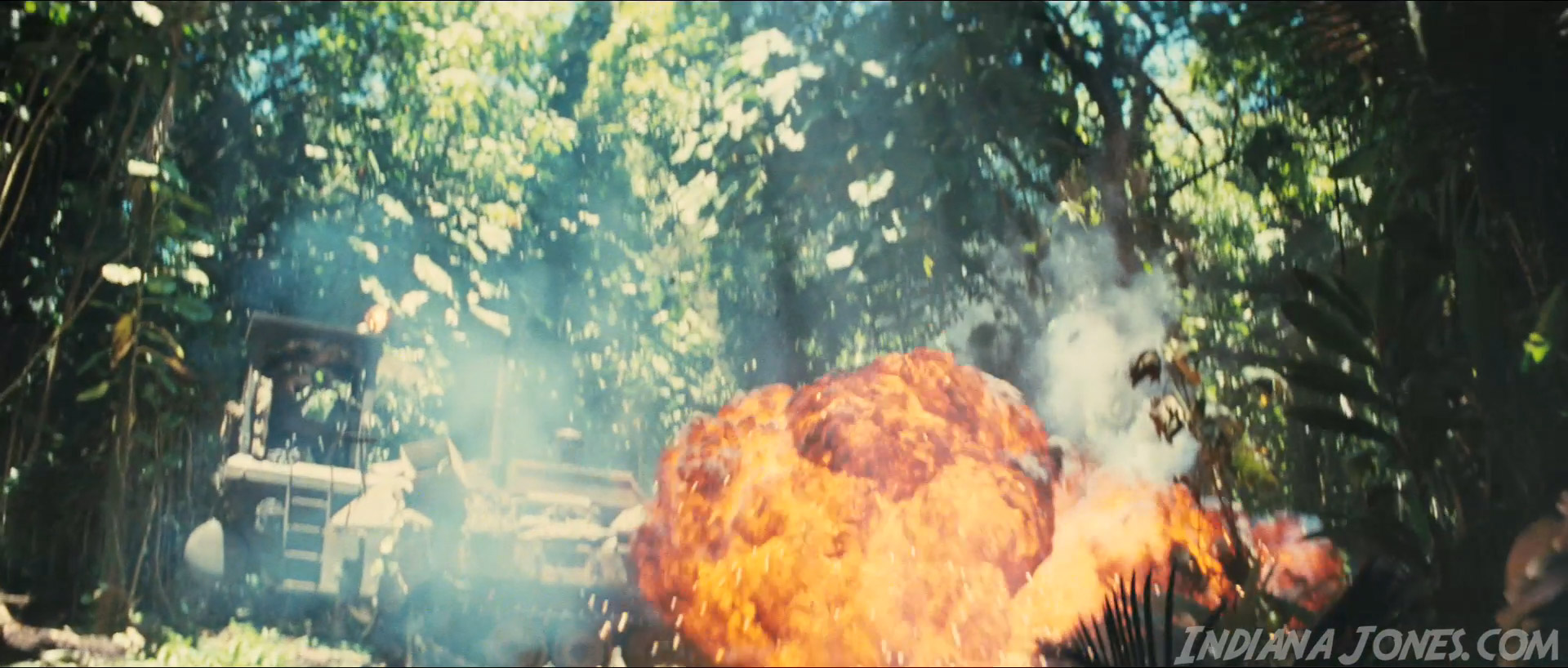
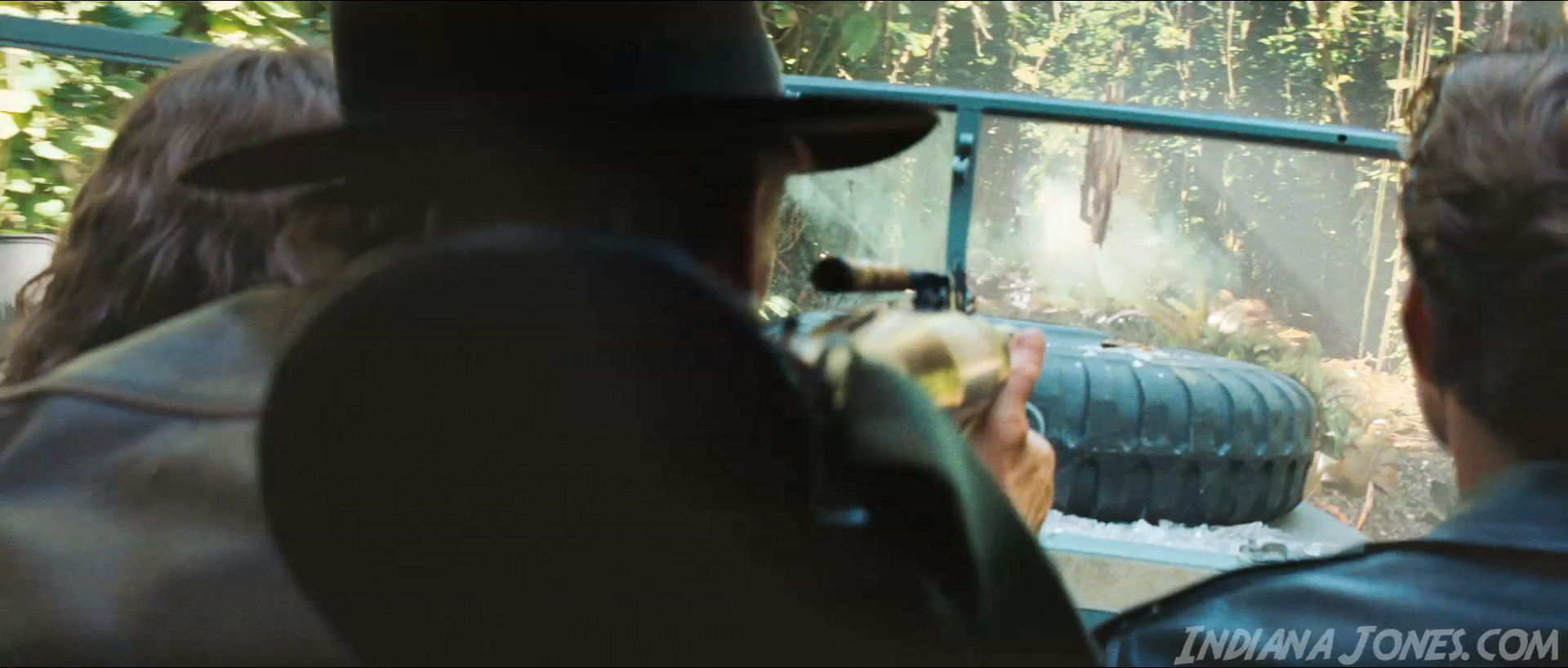
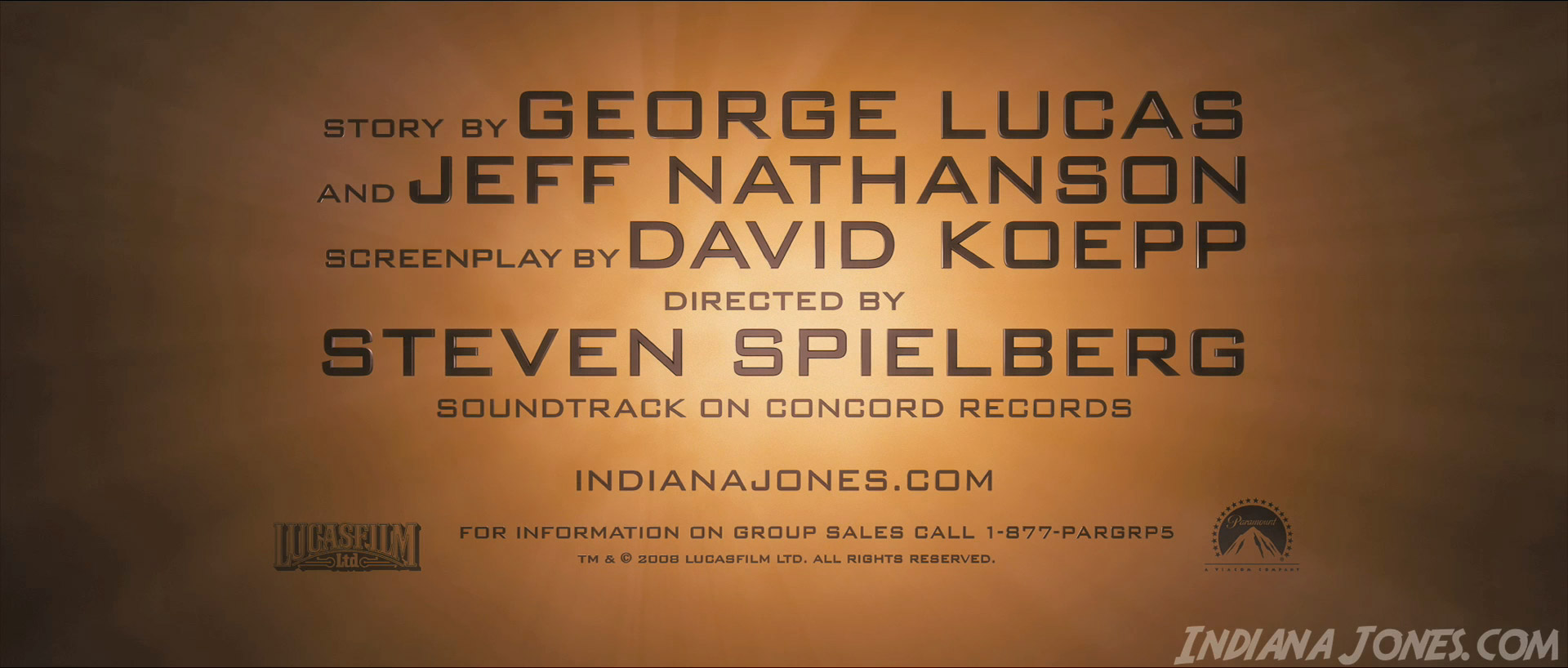
Para ir calentado motores para el trailer ,que supuestamente vendría con Ironman, les dejo algunas capturas del spot que esta posteado un poco más arriba...
CAPTURAS ACA


Flah_Gordo agrego info 347 minutos y 16 segundos despues...
PRIMER REVIEW AL SCORE DE KINGDOM OF THE CRYSTAL SKULL DE JOHN WILLIAMS
EL SITIO JWF.COM HA PUBLICADO LA PRIMERA CRITICA A LA BANDA SONORA DE INDY IV, DEL Y NO PODIA SER DE OTRA FORMA,MAESTRO JOHN WILLIAMS,POR EL MOMENTO ESTÁ EN INGLÉS,SE LAS DEJO PARA QUE HAGAN ILUSIONES Y NO DEJEN DE TENER ESTA SOUNDTRACK...
IN THE HEART OF TIME
Indiana Jones and the Kingdom of the Crystal Skull, by John Williams
Review by Alexandre Poncet
English translation by Merkel and NileQT87
This is, without a doubt, one of the most eagerly awaited scores since 1999 (remember, The Phantom Menace), and we have it at last between our hands. Without further ado, we present a small analysis of what will perhaps be one of the last blockbuster scores in John Williams' career.
One could choose not to comment on the multiple variations on the Raiders March that punctuate the album of the Kingdom of the Crystal Skull. Nevertheless, the sum of unexpected variations around the famous theme allows us to appreciate Williams' state of mind on taking on this fourth opus. The orchestration shows an undeniable nostalgia and sound perhaps a bit wiser than those of the Temple of Doom era, the accentuation of the flutes and wood section of the orchestra making the most of the epic flow of the melody, without depriving it of his universal reach. More astonishing is the rendition on the End Credits, true symphonic prowess stretched on for ten minutes, presents an unpublished coda, the maestro is keen to jostle his legendary work as soon as the occasion presents itself. The leitmotif of Marion Ravenwood follows the same logic, leaving familiar sonorities to fly away itself little by little towards totally new territories. Williams develops intensely thus, a melody that had permeated the whole score for Raiders of the Lost Ark, and the new measures (especially concentrated in the final cue) should appease the fans. While one could expect that the composer navigates without effort on his own inheritance, The Kingdom of the Crystal Skull becomes however an arena for great artistic development by Williams, and this is evident in his treatment of the new three themes.
Respecting the tradition of the series, the score of Indiana Jones 4 always rests on a clash between the themes of the different protagonists, the principal leitmotif (the famous MacGuffin, here a Crystal Skull of unknown power) serving both as the basis of the dispute and of a common objective. On one hand, Williams presents the good guys' themes, namely for Indy himself (whose exploits logically are illustrated by the Raiders March, which is put through every possible and imaginable tonality, denying sometimes the melody, but keeping only the recognizable rhythm) and his young sidekick Mutt (Shia LaBeouf). On the other side, Williams depicts musically the character of Irina Spalko (Cate Blanchett), main baddie of this new episode. If the overall structure remains the same as in the previous scores, the writing itself is more radical than ever, bringing to fruition the different sources of the composer (the jazz of Charles Ives, the operas of Mozart and Wagner, the tortured orchestrations of Bartók) and his last personal experimentations (the concrete music of War of the Worlds, the exclusively rhythmic usage of the brass in the last Star Wars score. It results a score not only of an expectational textural wealth, but also and especially in perfect contradiction with his era.
No one else in this craft nowadays would dare to apply the wide variety of musical registers that characterize this new Indiana Jones. The reason is very simple: such a work demands of the composer a culture, a level of formation and especially a creative genius that are cruelly lacking in the current generation of film composers, more at ease in the vocabulary of commercial lyricism prone to Hans Zimmer. Owing greatly to Mozart, the motive in B Major of Mutt (The Adventures of Mutt) presents a succession of ultra fast descending chords, that besides being a true challenge for the orchestra's virtuosity, serves as support for the Raiders March facing the sonorous aggressions of Irina Spalko. This last one showcases trully unique musical colors, proving if necessary that Williams is the last very big creator of living themes. Melancholic, noble and threatening, evoking an ambitious and tragic Russia, the leitmotif of Spalko indicates a complexity of extremely rare writing, with disturbing chromaticisms which are perfectly reflected by the unpredictable, yet pertinent, cadences. This complexity is dissimulated behind uniform rhythms and accompaniments in canon, helping to deeply anchor the melody in the unconscious of the listener. The juxtaposition of the three melodies, that compete among themselves throughout the first half of the album, also features of course phenomenal action cues, that will leave a lasting mark on the saga (Jungle Chase, notably).
We have at last the leitmotif of the Crystal Skull, and this one risks not being as beloved by the exclusive fans of great enveloping melodies. Based on an inverted and slightly retouched version of the Ark theme that makes an appearance in track 6 (the Crystal Skull: arpeggio, D natural, natural to the higher octave – the Ark: D sharp, D natural, natural to the lower octave), Call of the Crystal is probably the most subtle leitmotif of all the saga, and drowns the episode progressively in the ambiance of pure nightmare. The whole second half of the disc is left thus in a very dark mood, supported by action pieces on the limit of atonality (Serious Robbers and its tribal rhythms, Secret Doors and Scorpions and its strident piccolos, Ants! and his strong fight between the orchestra and the percussion). With some very unusual moods (The Journey to Akator allows itself even a Peruvian parenthesis) and full epic touches of which Williams is the consummate master, The Kingdom of the Crystal Skull is therefore a beautiful lesson to be learned by the current generation of rising film composers, that they may preside over the great show, romance or horror cinema. Let's just hope they can make the most of this lesson all while it happens.
ALGUNOS FANS CONSIGUIERON NOTAS DE LA PARTITURA Y REALIZARON ARCHIVOS MIDI CON LOS TEMAS ... ACÁ ESTAN
http://www.archive.org/download/IrinasTheme/IrinasTheme.mp3
http://www.archive.org/download/Indy-irinaConnection/Indy-Irina.mp3
http://www.archive.org/download/IrinasThemeversion3/IrinasTheme-chords.mp3
http://www.archive.org/download/CrystalSkullThemeorchestrated/CrystalSkullTheme-orchestrated.mp3 NOTEN LA CONEXION CON EL TEMA DEL ARCA DE LA ALIANZA
Para ir calentado motores para el trailer ,que supuestamente vendría con Ironman, les dejo algunas capturas del spot que esta posteado un poco más arriba...
CAPTURAS ACA
Flah_Gordo agrego info 347 minutos y 16 segundos despues...
PRIMER REVIEW AL SCORE DE KINGDOM OF THE CRYSTAL SKULL DE JOHN WILLIAMS
EL SITIO JWF.COM HA PUBLICADO LA PRIMERA CRITICA A LA BANDA SONORA DE INDY IV, DEL Y NO PODIA SER DE OTRA FORMA,MAESTRO JOHN WILLIAMS,POR EL MOMENTO ESTÁ EN INGLÉS,SE LAS DEJO PARA QUE HAGAN ILUSIONES Y NO DEJEN DE TENER ESTA SOUNDTRACK...
IN THE HEART OF TIME
Indiana Jones and the Kingdom of the Crystal Skull, by John Williams
Review by Alexandre Poncet
English translation by Merkel and NileQT87
This is, without a doubt, one of the most eagerly awaited scores since 1999 (remember, The Phantom Menace), and we have it at last between our hands. Without further ado, we present a small analysis of what will perhaps be one of the last blockbuster scores in John Williams' career.
One could choose not to comment on the multiple variations on the Raiders March that punctuate the album of the Kingdom of the Crystal Skull. Nevertheless, the sum of unexpected variations around the famous theme allows us to appreciate Williams' state of mind on taking on this fourth opus. The orchestration shows an undeniable nostalgia and sound perhaps a bit wiser than those of the Temple of Doom era, the accentuation of the flutes and wood section of the orchestra making the most of the epic flow of the melody, without depriving it of his universal reach. More astonishing is the rendition on the End Credits, true symphonic prowess stretched on for ten minutes, presents an unpublished coda, the maestro is keen to jostle his legendary work as soon as the occasion presents itself. The leitmotif of Marion Ravenwood follows the same logic, leaving familiar sonorities to fly away itself little by little towards totally new territories. Williams develops intensely thus, a melody that had permeated the whole score for Raiders of the Lost Ark, and the new measures (especially concentrated in the final cue) should appease the fans. While one could expect that the composer navigates without effort on his own inheritance, The Kingdom of the Crystal Skull becomes however an arena for great artistic development by Williams, and this is evident in his treatment of the new three themes.
Respecting the tradition of the series, the score of Indiana Jones 4 always rests on a clash between the themes of the different protagonists, the principal leitmotif (the famous MacGuffin, here a Crystal Skull of unknown power) serving both as the basis of the dispute and of a common objective. On one hand, Williams presents the good guys' themes, namely for Indy himself (whose exploits logically are illustrated by the Raiders March, which is put through every possible and imaginable tonality, denying sometimes the melody, but keeping only the recognizable rhythm) and his young sidekick Mutt (Shia LaBeouf). On the other side, Williams depicts musically the character of Irina Spalko (Cate Blanchett), main baddie of this new episode. If the overall structure remains the same as in the previous scores, the writing itself is more radical than ever, bringing to fruition the different sources of the composer (the jazz of Charles Ives, the operas of Mozart and Wagner, the tortured orchestrations of Bartók) and his last personal experimentations (the concrete music of War of the Worlds, the exclusively rhythmic usage of the brass in the last Star Wars score. It results a score not only of an expectational textural wealth, but also and especially in perfect contradiction with his era.
No one else in this craft nowadays would dare to apply the wide variety of musical registers that characterize this new Indiana Jones. The reason is very simple: such a work demands of the composer a culture, a level of formation and especially a creative genius that are cruelly lacking in the current generation of film composers, more at ease in the vocabulary of commercial lyricism prone to Hans Zimmer. Owing greatly to Mozart, the motive in B Major of Mutt (The Adventures of Mutt) presents a succession of ultra fast descending chords, that besides being a true challenge for the orchestra's virtuosity, serves as support for the Raiders March facing the sonorous aggressions of Irina Spalko. This last one showcases trully unique musical colors, proving if necessary that Williams is the last very big creator of living themes. Melancholic, noble and threatening, evoking an ambitious and tragic Russia, the leitmotif of Spalko indicates a complexity of extremely rare writing, with disturbing chromaticisms which are perfectly reflected by the unpredictable, yet pertinent, cadences. This complexity is dissimulated behind uniform rhythms and accompaniments in canon, helping to deeply anchor the melody in the unconscious of the listener. The juxtaposition of the three melodies, that compete among themselves throughout the first half of the album, also features of course phenomenal action cues, that will leave a lasting mark on the saga (Jungle Chase, notably).
We have at last the leitmotif of the Crystal Skull, and this one risks not being as beloved by the exclusive fans of great enveloping melodies. Based on an inverted and slightly retouched version of the Ark theme that makes an appearance in track 6 (the Crystal Skull: arpeggio, D natural, natural to the higher octave – the Ark: D sharp, D natural, natural to the lower octave), Call of the Crystal is probably the most subtle leitmotif of all the saga, and drowns the episode progressively in the ambiance of pure nightmare. The whole second half of the disc is left thus in a very dark mood, supported by action pieces on the limit of atonality (Serious Robbers and its tribal rhythms, Secret Doors and Scorpions and its strident piccolos, Ants! and his strong fight between the orchestra and the percussion). With some very unusual moods (The Journey to Akator allows itself even a Peruvian parenthesis) and full epic touches of which Williams is the consummate master, The Kingdom of the Crystal Skull is therefore a beautiful lesson to be learned by the current generation of rising film composers, that they may preside over the great show, romance or horror cinema. Let's just hope they can make the most of this lesson all while it happens.
ALGUNOS FANS CONSIGUIERON NOTAS DE LA PARTITURA Y REALIZARON ARCHIVOS MIDI CON LOS TEMAS ... ACÁ ESTAN
http://www.archive.org/download/IrinasTheme/IrinasTheme.mp3
http://www.archive.org/download/Indy-irinaConnection/Indy-Irina.mp3
http://www.archive.org/download/IrinasThemeversion3/IrinasTheme-chords.mp3
http://www.archive.org/download/CrystalSkullThemeorchestrated/CrystalSkullTheme-orchestrated.mp3 NOTEN LA CONEXION CON EL TEMA DEL ARCA DE LA ALIANZA


 esta película hay que ir a verla al cine si o si